

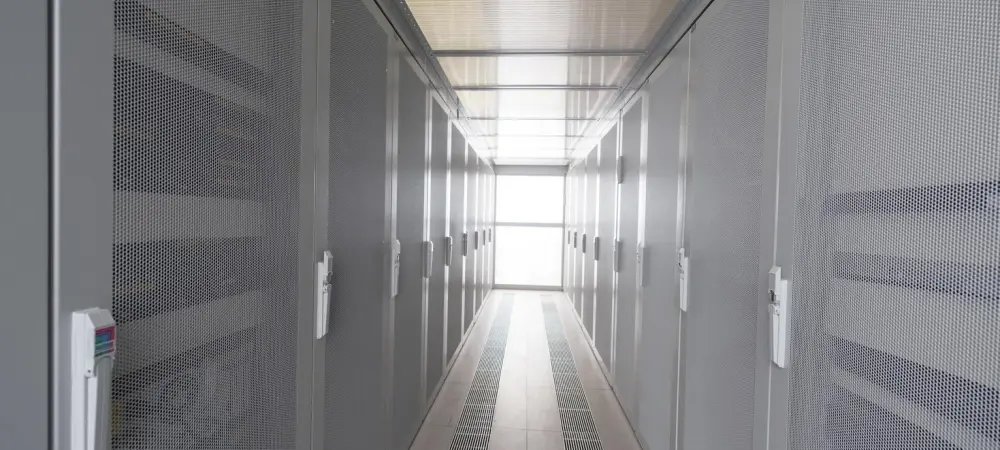
In a transformative move toward sustainable energy solutions, Redwood Materials and Crusoe have joined forces to power a significant data center using repurposed electric vehicle (EV) batteries. This initiative marks a milestone in renewable energy adoption, as Redwood Materials, known for its proficiency in battery recycling, sets the stage for the largest-ever deployment of repurposed EV batteries. Situated in Sparks, Nevada, on Redwood’s campus, this data center supports OpenAI’s Project Stargate, highlighting the critical demand for clean energy solutions in today’s tech-driven landscape. With grid-scale batteries and solar energy integration, the project underscores a vital shift in how data centers meet rising energy demands while maintaining environmental stewardship.
The Partnership and Its Impacts
Redwood Materials’ Innovative Approach
Redwood Materials has long been recognized for revolutionizing battery recycling and energy solutions, converting end-of-life vehicle batteries into valuable storage assets. These batteries, no longer viable for transport, find a new purpose in grid-scale storage essential for supporting intermittent renewable energy sources. This transformation is crucial, given the rising energy consumption by data centers, predicted to account for 1.4% of the global energy supply in the current year. Redwood Energy, a newly formed division, aims to tap into this growing energy demand by offering cost-effective, repurposed battery solutions. These batteries retain substantial efficiency post-vehicle use, providing a unique advantage in grid stabilization and reducing overall costs.
Notably, this collaboration with Crusoe represents a pivotal shift within the data center industry, combining renewable energy expertise with cutting-edge technology to meet both current and future energy challenges. The project’s completion in a mere four months demonstrates a remarkable feat of efficiency, particularly in a sector where delays in grid interconnections are commonplace. This swift execution highlights Redwood’s commitment to developing scalable and effective solutions that address pressing energy concerns. As the world continues to turn to more sustainable energy practices, such innovations are proving critical in balancing the high energy demands with environmental consciousness.
Crusoe’s Role in Energy Transformation
Crusoe, renowned for advancing digital infrastructure through innovative technology, plays an instrumental role in this partnership. Their involvement showcases a commitment to integrating technology and sustainability, focusing on microgrids as a strategic avenue to support renewable energy adoption. The data center’s energy framework relies heavily on Crusoe’s ability to implement efficient systems that maximize the storage capabilities of repurposed EV batteries. These efforts ensure a more stable and reliable power supply, a critical component in reducing dependence on traditional energy sources. Crusoe’s contribution to this project extends beyond mere technological support, embodying a philosophy of creating synergies between digital innovation and environmental responsibility. The partnership exemplifies a growing recognition of the potential for microgrids to alleviate grid strain and advance renewable energy integration. As the demand for energy-efficient systems continues to expand, this project sets a precedent for what is possible when technology and sustainability converge seamlessly. The results could herald a new era of energy utilization whereby data centers can operate more sustainably without compromising operational efficiency.
Future Implications and Expansion
Prospects for Wider Adoption
Redwood’s anticipated revenue increase by late 2027, fueled by an expansive rollout of storage projects, indicates a promising outlook for repurposed battery solutions in the data center sector. This forecast aligns with broader trends in leveraging recycled battery technology to bridge the gap between energy demand and sustainability. With the current trajectory pointing toward more expansive adoption of these technologies, the partnership between Redwood and Crusoe emerges as a model for others in the industry. This collaboration not only meets existing demands but also inspires ongoing innovation and enhances market confidence in renewable technologies.
The project further provides actionable insights into how similar strategies could be employed across various sectors where energy demand is a pressing concern. By demonstrating tangible benefits and operational success, the initiative encourages other companies to explore sustainable pathways while contributing to global efforts to transition to cleaner energy. The potential ripple effect of this pilot project could drive further investment and interest in adopting reused batteries for various applications, marking a turning point in sustainable technology integration.
Strategic Vision for Energy Efficiency
In a groundbreaking move toward sustainable energy solutions, Redwood Materials and Crusoe have united to power a major data center using repurposed electric vehicle (EV) batteries. This venture represents a significant advancement in renewable energy, as Redwood Materials, acclaimed for its expertise in battery recycling, spearheads the largest deployment of repurposed EV batteries to date. Located in Sparks, Nevada, at Redwood’s facility, this data center supports OpenAI’s Project Stargate, emphasizing the growing need for clean energy solutions in today’s technology-centric world. By integrating grid-scale batteries with solar energy, this initiative exemplifies a crucial shift in how data centers manage increasing energy requirements while committing to environmental stewardship. This collaboration not only highlights innovative energy use but also sets a precedent for the tech industry, pushing for more sustainable practices and reducing reliance on traditional energy sources.