

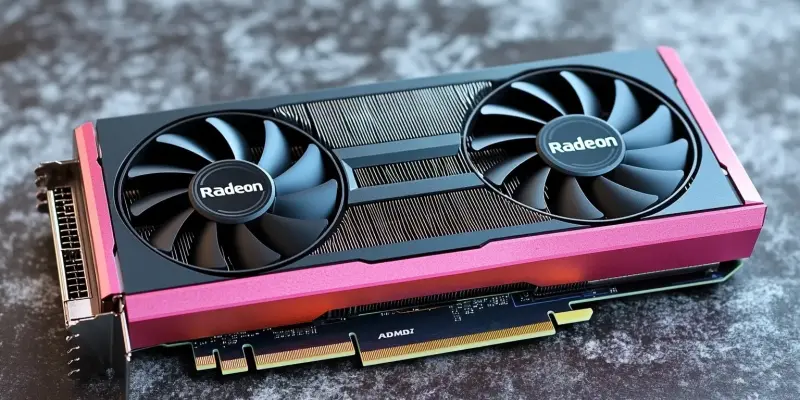
With the early listings and pricing details of AMD’s Radeon RX 9070 XT and RX 9070 GPUs appearing on Best Buy, the tech community is abuzz with anticipation. These details, posted ahead of the official retail launch, reveal a range of variants with noteworthy price differences, particularly for color and aesthetic modifications. XFX, AMD’s board partner, has listed around 10 variants, including standard models (Swift), factory-overclocked versions (QuickSilver), and high-end editions (Mercury). The big question on everyone’s mind is whether these color variants and additional features justify the premium prices.
Pricing and Variation Details
The Swift Radeon RX 9070 OC is listed at $549.99, while the RX 9070 XT is priced at $599. These editions have minor clock differences compared to the stock models. More intriguing, however, is the pricing gap between the black and white editions. For example, the RX 9070 White OC edition carries a price tag $100 higher than its identical black counterpart. The QuickSilver editions also showcase this trend, priced at $649 for the black version and $669 for the white. The Swift RX 9070 XT White edition stands out with a $749 price tag, a significant $150 increase over the black edition, notwithstanding the lack of overclocking.
The top-tier Mercury RX 9070 XT OC model is listed at a hefty $819, while the Magnetic Air editions vary from $829 to $849, marking a substantial price elevation. These listings indicate a noticeable premium for aesthetic and purported performance enhancements. However, it remains to be seen whether these enhancements hold enough value to justify the higher costs. The prices might see adjustments post-launch, providing better consumer value and aligning closer to performance gains rather than mere visual changes.
Performance vs. Aesthetic Appeal
The considerable price escalation for color variants and premium models, which might not offer equivalent performance enhancements, raises questions. Retailers and board partners seem to emphasize cosmetic modifications as a reason for the increased prices, but whether consumers will accept this remains uncertain. Enthusiasts likely expect a price adjustment, particularly for versions that differ only cosmetically from the non-overclocked models.
A significant aspect of this marketing strategy involves capitalizing on aesthetics. Consumers are often drawn to visually appealing hardware, yet the allure may diminish if the performance does not match the visual appeal. For instance, the $100 to $150 price difference for color modifications, without any other notable enhancements, might not be justifiable to the savvy consumer. This early pricing strategy provides insight into how companies intend to position their products within the market, balancing between performance improvements and aesthetic allure.
Market Trend and Consumer Perception
The tech community is buzzing with excitement as early listings and pricing details for AMD’s Radeon RX 9070 XT and RX 9070 GPUs have surfaced on Best Buy. These details emerged before the official launch, showcasing various models with significant price differences, primarily due to color and aesthetic upgrades. XFX, one of AMD’s board partners, has listed around 10 variants, including the standard Swift models, the factory-overclocked QuickSilver versions, and the premium Mercury editions. The primary question on everyone’s mind revolves around whether these color options and enhanced features are worth the higher price tags.
There’s considerable debate among enthusiasts about the real value of these premium models. While some argue that the improved aesthetics and factory overclocking could influence performance and cooling, others remain skeptical. They question if the potential performance gains and visual appeal can truly justify the added cost. Ultimately, as the official launch date nears, users eagerly await hands-on reviews and benchmarks to determine if spending extra on these visually and technically enhanced variants is a sensible investment.