

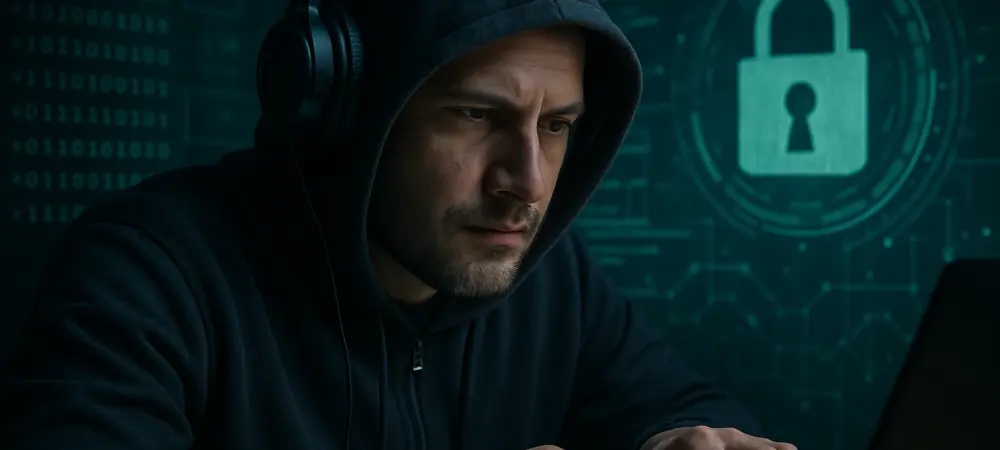
As AI technology continues to progress, voice deepfakes have emerged as a new security threat, challenging organizations and individuals alike. These digital impersonations, crafted using advanced AI, blur the lines between reality and deception, making the authentication process more complex. In this roundup, insights from various experts, organizations, and case studies shed light on this intricate issue, examining both the technology’s potential and the risks it imposes.
Transformative Evolution of AI Voice Technology
The evolution of AI from basic speech synthesis to sophisticated voice replication marks a significant technological shift. Initially, AI voice technology was tailored for virtual assistants, automated customer support, and other benign applications. This foundational development paved the way for innovations that not only mimic human speech with accuracy but also produce personal voice replicas. While these advancements enhanced user experience, they also set the stage for exploiting human trust—a growing concern in cybersecurity. Security analysts stress that this transformation highlights a dual-edged sword of technological progress. As AI tools became more powerful, ethical dilemmas and security risks intensified. The ease with which these tools can now create highly realistic impersonations has many experts warning of a transition from innovative tech to potential misuse, making it crucial to understand these implications fully.
Uncovering the Mechanics and Threats of Voice Synthesis
The mechanics of creating convincing voice deepfakes lie in machine learning algorithms and accessible AI software. Some industry leaders point to the proliferation of tools that enable even the unskilled to synthesize voice replicas. This surge in availability raises profound ethical and security challenges. Questions surrounding misuse by bad actors for fraud and misinformation have become central topics of debate among technologists and ethicists.
Despite strides in AI capabilities, the responsibility to safeguard against deepfakes rests with both the creators of the technology and users. Many call for stricter regulations and the adoption of verification technologies as feasible solutions, aiming to balance progression with protection.
Spotlight on Recent Incidents and Responses
High-profile voice impersonation incidents resonate loudly within security circles. The notorious case of Marco Rubio illustrates vulnerabilities that sophisticated voice deepfakes can exploit. In this instance, an AI-generated voice, paired with a fraudulent Signal account, fooled several officials into engaging with false communications. Such cases underscore the need for robust security measures and timely awareness. Responses from victims and institutions have varied, highlighting lessons learned. Many entities have strengthened their verification processes by enhancing digital literacy and adopting more resilient authentication measures. However, experts agree that a collective effort, merging technological, strategic, and human elements, is requisite to curtail such incidents effectively.
Democratization of Deepfake Technology and Its Far-Reaching Impacts
The accessibility of deepfake technology has democratized the capability to produce fake voices, benefiting as many as it endangers. Its impact spans multiple sectors, from financial services facing heightened fraud risk to political arenas where faux messages could skew realities. Security experts often discuss both the opportunities and threats posed by this democratization, exploring the paradox of an open-source era.
While lowering technological barriers increases the risk of misuse, it also calls for stronger collective security measures. Through comprehensive strategies, stakeholders aim to mitigate risks by fostering awareness and promoting ethical standards for technology development.
Navigating the Complex Landscape of Deepfakes
Navigating the implications of AI-generated voice deepfakes requires both organizations and individuals to reassess cybersecurity norms. Experts frequently recommend adopting multi-layered verification strategies and digital literacy initiatives to safeguard against potential threats. These measures, alongside heightened vigilance, are vital in curbing the proliferation of voice deepfakes.
By providing tools and education to the general populace, security communities encourage a proactive approach. By becoming informed about deepfake technologies, individuals can better protect themselves and contribute to a safer digital environment.
Moving Forward: Strategic Defense and Technological Innovation
Moving beyond the current landscape, continued innovation in tackling AI-driven threats remains crucial. Security experts advocate for ongoing monitoring and adaptation to keep pace with evolving technologies. Institutions are urged to not only stay informed but also invest in research that foregrounds prevention and response to AI-generated misuses.
Reflecting on these insights, it is clear that the dialogue surrounding AI and deepfakes is an evolving narrative. By fostering engagement among technologists, policymakers, and the public, the road ahead promises strategic solutions that address both existing and emerging threats, making the digital realm a safer place.