

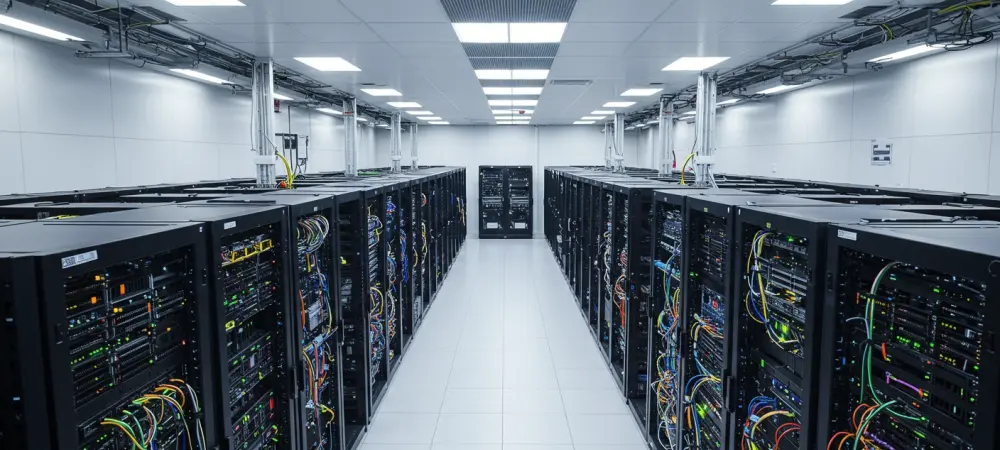
The world today revolves around data—its integrity, security, and accessibility are paramount. As data centers become larger and more crucial, maintaining their security is akin to safeguarding modern banks, wherein digital assets are the currency. In this context, traditional security measures often fall short, propelling a quest for evolved strategies. Enter AI and biometrics, promising to revolutionize data protection.
The Significance of Enhanced Security Measures
In the digital age, data ensures seamless communication, economic activities, and personal engagements. Data centers, acting as vaults for copious amounts of sensitive information, require security frameworks akin to traditional banking institutions. However, these measures face vulnerabilities due to outdated processes and evolving threats, demanding not just timely upgrades but transformative innovations. AI and biometrics are positioned at the forefront to redefine security protocols, promising accuracy and reliability beyond traditional methodologies.
How AI and Biometrics Transform Traditional Security
AI-driven analytics enable astonishing precision in threat identification, significantly reducing false alarms. Whether it’s predicting potential breaches or differentiating between routine activities and abnormal occurrences, AI fosters an environment of preventive security. Complementarily, biometric technologies provide unparalleled accuracy in access control. Facial recognition, palm vein authentication, and other biometric strategies offer robust verification methods, fundamentally altering how people engage with data centers.
Insights from Industry Visionaries
Industry pioneers have voiced their opinions on this technological shift. Sean Farney attributes ongoing advancements to predictive models that consistently guard digital assets. Likewise, Amy Dunton speaks to the transformative nature of AI and biometrics, emphasizing their roles in offering real-time threat detection. Data center operators have shared firsthand experiences, revealing how the integration of these technologies aligns with organizational goals for heightened security and efficiency.
Implementing Practical Enhancements in Current Infrastructures
Adapting AI and biometric technologies in existing frameworks requires strategic planning. Careful consideration of cost, scalability, and improved situational awareness are critical factors. Edge security solutions must offer quick deployments without compromising compliance. Integrated platforms become central to a holistic approach, embodying the essence of centralized security policies and enterprise-wide threat visibility. As data centers scale, their security protocols should evolve alongside to protect against ever-increasing complexities.
The Path Ahead
Data centers have come to rely on multifaceted, technologically driven security strategies to safeguard valuable digital assets. The journey toward embracing AI and biometrics reflects not only a shift in infrastructure but an overarching commitment to protecting the digital economy. As these technologies advance, they promise comprehensive security solutions that can adeptly maneuver through challenges while ensuring optimal protection and resilience. Looking forward, data center security will continue to incorporate innovative methodologies, epitomizing the balance between operational complexity and protective integrity.