

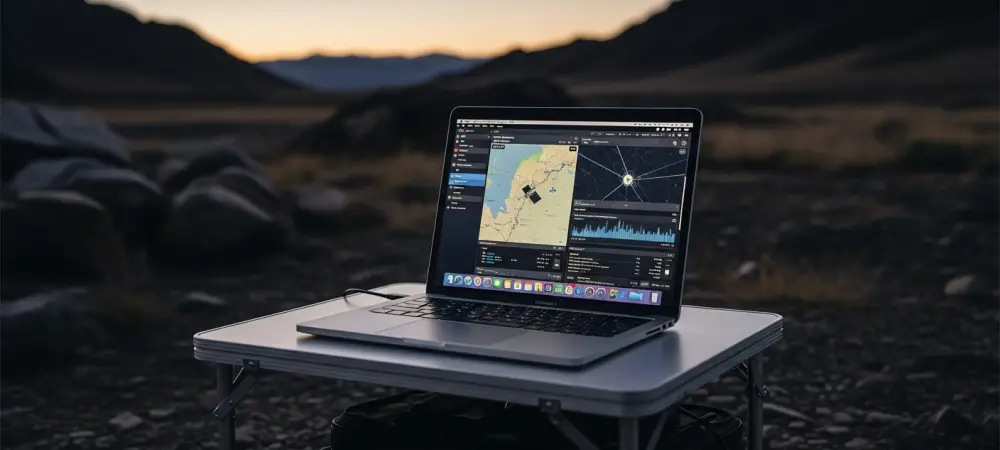
The long-standing architectural wall between mobile and desktop computing finally crumbled at Apple’s 2026 Worldwide Developers Conference when the MacBook Ultra debuted as the definitive hybrid machine for the modern professional. This announcement marks a pivotal transformation in how hardware and software interact, effectively bridging the gap between traditional laptop ergonomics and the tactile fluidness of high-end tablets. By integrating advanced touchscreen capabilities directly into a flagship portable computer, Apple is not merely adding a feature but is instead redefining the fundamental nature of its computer lineup. The MacBook Ultra serves as the centerpiece of a broader strategic shift toward a unified ecosystem where the distinction between operating systems becomes less relevant than the tasks they facilitate. This machine is positioned specifically for power users who have spent years juggling multiple devices to achieve the perfect balance of creative precision and computational strength.
Architectural Enhancements in macOS 27
The arrival of macOS 27 provides the essential software foundation required to make the MacBook Ultra’s new hardware functional and intuitive within a professional desktop environment. For the first time, features that were previously restricted to mobile devices, such as pull-to-refresh in Safari and comprehensive pinch-to-zoom gestures in Finder, have been integrated directly into the core system architecture. These adjustments ensure that navigating the file system or browsing the web feels natural whether a user is using a glass trackpad or interacting directly with the high-resolution display. This software evolution represents a departure from the traditional mouse-driven interface, acknowledging that tactile interaction is no longer a secondary input method but a primary way of managing complex data. Developers have also updated system-level menus to be more touch-friendly, increasing target areas without sacrificing the information density that professional users expect from a Mac.
Building on the concept of context-aware interfaces, macOS 27 introduces the Dynamic Spotlight Bar, which adapts the top portion of the screen into a functional and interactive command center. Much like the Dynamic Island found on high-end mobile devices, this interactive hub replaces the static search bar with a fluid space that surfaces notifications, system shortcuts, and real-time task updates. Whether monitoring a long render in a video editing application or tracking a live data feed from a remote server, the bar expands and contracts to provide relevant information without obstructing the main workspace. By turning the upper margin of the screen into a vital tool for multitasking, Apple has effectively maximized the utility of the display while streamlining the user experience. This system-wide responsiveness ensures that users remain focused on their primary activity while maintaining a high level of situational awareness regarding background processes, effectively bridging the gap between active work and passive monitoring.
Hardware Innovation and Display Technology
The physical design of the MacBook Ultra represents a bold break from tradition, incorporating a native touchscreen that is specifically calibrated for the exacting needs of creative professionals. This hardware integration allows graphic designers, architects, and film editors to manipulate their digital assets directly, providing a level of precision that was previously only available through external peripherals or specialized digitizer tablets. By removing the physical barrier between the artist and the canvas, the MacBook Ultra simplifies the creative toolkit and enables a more organic workflow that responds naturally to hand gestures and stylus input. This shift is particularly beneficial for complex tasks like color grading or 3D sculpting, where the ability to touch the interface directly can significantly speed up the production cycle. The device maintains its classic premium aesthetic while offering a new layer of functionality that addresses the long-standing request for a laptop that combines desktop power with tablet-like versatility. To support this new level of interaction, the display technology itself has undergone a massive upgrade with the transition to high-performance OLED panels across the entire Ultra lineup. These screens provide exceptional color accuracy and deep contrast ratios that are essential for high-end production work, ensuring that every detail is rendered with lifelike clarity. These displays are paired with ProMotion technology, allowing the refresh rate to scale dynamically from 1Hz to 120Hz depending on the content being displayed to optimize power consumption or provide fluid motion. Furthermore, the inclusion of the Dynamic Island at the top of the OLED panel maximizes the available screen real estate while creating a more immersive notification environment. This hardware implementation works in tandem with the software to hide the camera and sensor arrays while providing a functional area for system interactions. The result is a visually stunning experience that sets a new industry benchmark for what a professional laptop display should be.
Performance Benchmarks and Advanced Connectivity
Driving the internal capabilities of the MacBook Ultra is the new M6 series of silicon, which establishes unprecedented standards for computational performance and sustained energy efficiency in a portable form factor. These chips are designed to handle the most demanding workloads, from real-time 8K video processing to complex machine learning simulations, without the typical thermal throttling found in less sophisticated hardware. To manage the heat generated by such a powerful processor, engineers developed an advanced vapor chamber cooling system that distributes thermal energy more evenly throughout the chassis. This sophisticated thermal solution allows the MacBook Ultra to maintain its peak performance levels for extended periods, even during intensive 3D rendering sessions that would typically require a desktop workstation. This balance of power and portability ensures that the laptop remains a reliable tool for professionals who require high-performance computing in various environments, from remote shooting locations to modern studio settings. Connectivity is another area where the MacBook Ultra pushes boundaries, featuring the latest C2 and C2X communication chips that introduce satellite connectivity to the laptop platform for the first time. This groundbreaking feature allows users to stay connected and transmit critical data even when they are operating in remote areas far beyond the reach of traditional Wi-Fi or cellular networks. By integrating satellite-based communication, the device ensures that professional workflows are never interrupted by geographical limitations, making it an ideal choice for researchers, journalists, and field engineers. Alongside these satellite capabilities, the new wireless standards supported by the M6 architecture provide faster data transfer speeds and more stable connections in congested urban environments. This level of autonomy represents a major advancement in mobile computing. This focus on independent and resilient communication ensures that the MacBook Ultra is not just a computer but a versatile communication hub that can operate effectively anywhere on the planet.
Industry Implications and Strategic Implementation
The introduction of a touch-enabled Mac indicates a massive shift in how the industry views the convergence of different computing paradigms, signaling the end of the era where mobile and desktop were separate silos. This move forces software developers to rethink their application designs, encouraging them to create interfaces that are equally capable of handling precise cursor movements and intuitive touch gestures. As the market adapts to this new reality, we can expect a surge in specialized software that takes advantage of the MacBook Ultra’s unique hardware configuration, potentially creating entirely new categories of professional applications. Competitors will likely be pressured to accelerate their own hybrid development plans to keep pace with the seamless integration Apple has demonstrated between its custom silicon and refined operating system. This competitive pressure is expected to drive further innovation across the entire laptop sector, leading to more versatile machines that prioritize user experience and flexibility above traditional design constraints.
Professionals looking to integrate this technology into their current setups evaluated their existing software compatibility to ensure a smooth transition to the macOS 27 environment. Many organizations prioritized updating their internal toolsets to leverage the Dynamic Spotlight Bar and touch-based interactions, which offered measurable improvements in project turnaround times. Tech departments focused on establishing protocols for satellite data usage, ensuring that remote teams could maximize the benefits of the C2X chip without exceeding operational budgets. Creative studios shifted their hardware procurement strategies to favor these hybrid devices, recognizing the long-term value of a machine that functioned as both a workstation and a precision tablet. By embracing this unified approach, users positioned themselves at the forefront of a major shift in digital productivity, moving away from fragmented workflows and toward a more integrated future. This release ultimately clarified the trajectory of high-performance computing, providing a clear roadmap for the years following the launch.