

The massive hardware obsolescence crisis triggered by the Windows 10 end-of-support deadline has forced millions of users to seek viable alternatives for their functional but technically abandoned personal computers. This shift was largely catalyzed by the cessation of vital security patches for older operating systems, which rendered hundreds of millions of devices vulnerable to cyber threats. ChromeOS Flex emerged as a strategic response to this “e-waste cliff,” offering a way to convert aging PCs and Macs into fast, secure, and easily manageable cloud-based machines. Unlike traditional operating systems that demand increasingly powerful hardware, this solution prioritizes software efficiency to extend the physical utility of existing devices.
The relevance of this technology lies in its ability to strip away the overhead of legacy software that typically slows down older processors. By replacing a bloated, locally installed OS with a streamlined environment focused on web-based tasks, the technology transforms a sluggish laptop into a responsive tool. This transformation is not merely about speed; it represents a fundamental change in how hardware is perceived, shifting the focus from internal specifications to cloud-based accessibility. Consequently, it provides a crucial bridge for users who are caught between the desire for modern security and the financial burden of purchasing new equipment.
Core Architecture and Key Performance Features
A Lightweight, Cloud-Centric Computing Environment
The primary architecture of ChromeOS Flex is built upon a lean Linux kernel designed specifically to prioritize the Chrome browser as the main interface. This design philosophy assumes that the majority of modern computing tasks, from document editing to financial management, occur within a web browser. By removing the background processes and system services that are necessary for complex local software but unnecessary for web navigation, the OS allows hardware from several years ago to boot in seconds and maintain high performance during multitasking. This cloud-centric approach is unique because it effectively offloads the heavy lifting of data processing to remote servers rather than relying on local CPU cycles. While a traditional OS might struggle to index local files or run background updates, this system remains agile by keeping the local environment as “thin” as possible. This implementation ensures that even devices with limited RAM or older mechanical hard drives can provide a user experience that feels remarkably similar to that of a brand-new, high-end Chromebook.
Security Protocols and Virus Resistance
Security in this environment is achieved through a multi-layered defense strategy that includes read-only system partitions and sandboxing. In a standard Windows environment, an infected executable can often compromise the entire system by modifying core files. However, this OS executes every web page and application in a restricted “sandbox,” ensuring that a threat in one tab cannot spread to the rest of the machine. The read-only nature of the system files means that even if a user encounters malware, it cannot permanently alter the operating system or persist after a simple reboot. Since the OS does not execute .exe or .msi files, the vast majority of common ransomware and phishing-driven malware simply fails to run. This security model creates a “walled garden” effect that, while restrictive, offers a level of stability and peace of mind that is difficult to achieve on older, unpatched versions of Windows or macOS.
Energy Efficiency and Operational Performance
Operational performance is intrinsically linked to the energy efficiency of the software, as a less demanding OS requires less power to maintain. By minimizing background tasks and optimizing CPU usage, the system noticeably reduces the heat generation and fan noise of older laptops. This reduction in physical strain not only contributes to a quieter user experience but also slows down the eventual hardware failure caused by thermal stress, thereby directly increasing the longevity of the internal components. When compared to traditional desktop operating systems, the streamlined nature of the OS has been shown to reduce average energy draw by nearly twenty percent. This efficiency makes it an attractive option for environmentally conscious consumers and budget-strapped institutions that need to maximize the value of their existing assets without incurring the ongoing costs associated with power-hungry software.
Strategic Partnerships and Market Accessibility Trends
Recent developments have seen a push to make the installation process as accessible as possible through creative retail partnerships. The collaboration between Google and the refurbished electronics market has introduced physical installation kits that bypass the need for users to create their own bootable USB drives. This “low-friction” strategy addresses a major psychological barrier for non-expert users who might feel intimidated by the technical requirements of reformatting a hard drive. The success of physical kits suggests that the hurdle for software adoption is often the “friction” of the setup rather than the software itself. By offering a plug-and-play solution for a nominal fee, the industry is moving toward a model where revitalizing old tech is as simple as a one-time physical update. This trend highlights a shift in consumer behavior where sustainability is prioritized over the prestige of owning the latest hardware.
Real-World Applications: From Education to Enterprise
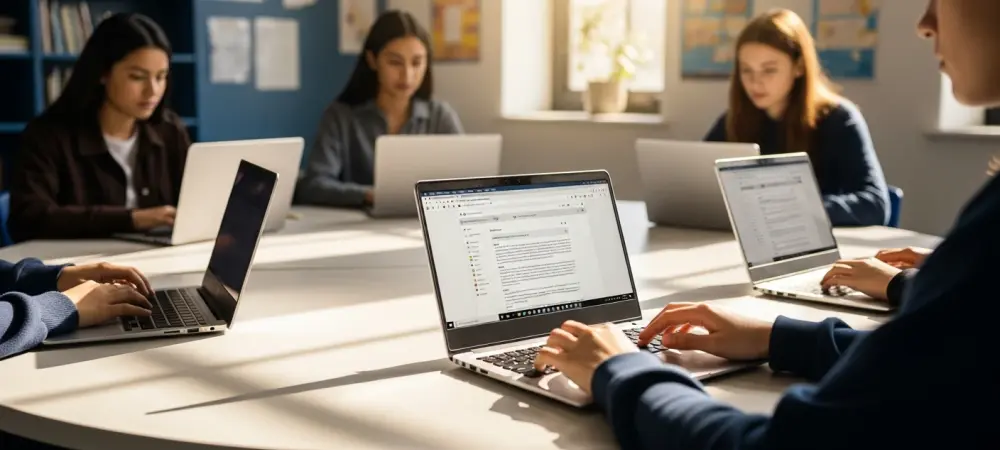
In the education sector, this technology has become a vital tool for schools that lack the budget for massive hardware refreshes. Rather than discarding hundreds of functional laptops that can no longer run the latest version of Windows, IT departments are repurposing them to create a fleet of secure web-browsing stations. This application allows students to access cloud-based learning platforms and productivity suites without the security risks associated with unsupported software, effectively doubling the lifespan of the institution’s initial investment. By deploying the OS on existing machines, these organizations can ensure that their staff is working in a secure environment for web-based tasks like bookkeeping and customer relationship management. This use case is particularly effective for shared computers where the priority is ease of management and resistance to unauthorized software installations.
Technical Hurdles and Functional Limitations
Despite its advantages, the technology is not without significant functional trade-offs that may deter power users. The most notable limitation is the lack of support for the Google Play Store and Android applications, which are standard features on purpose-built Chromebooks. This omission means that users cannot rely on mobile apps for their workflow and must instead find web-based alternatives. Furthermore, the inability to run legacy Windows software or complex local applications makes the system unsuitable for professional creative work.
There are also hardware-specific obstacles, such as the absence of the Google Titan security chip on converted third-party machines. While the software itself is secure, it cannot leverage the same level of verified boot and hardware-backed encryption found in official ChromeOS hardware. Additionally, certain specialized hardware components, such as biometric scanners or unique graphics cards, may not have compatible drivers within this environment, leading to a loss of functionality for some peripheral features on high-end legacy laptops.
Future Outlook: The Shift Toward Sustainable Computing
The path forward for this technology is closely tied to the global “right to repair” movement and the evolution of circular economics. As consumers and governments become more vocal about the environmental impact of electronic waste, software that provides a second life to hardware will become an industry standard. The potential for a broader decoupling of software from physical hardware requirements suggests that the future of computing lies in universal, lightweight interfaces that can run on any device regardless of its original manufacturer.
Future developments may focus on bridging the gap between local performance and cloud flexibility, perhaps through improved support for web-assembly and progressive web apps. This shift will further empower consumers to maintain their devices for a decade or more, challenging the traditional business models that rely on frequent hardware turnover to maintain profitability. As cloud computing becomes the dominant paradigm, the specific underlying operating system will likely matter less than the security and speed of the web interface.
Final Assessment: Revitalizing the Aging Tech Ecosystem
The emergence of this OS represented a pivotal moment in the industry’s approach to planned obsolescence and environmental responsibility. By providing a secure and efficient alternative to the costly cycle of hardware replacement, the technology successfully mitigated the potential e-waste crisis associated with the Windows 10 support deadline. It offered a compelling argument that software should adapt to existing hardware rather than forcing users into unnecessary upgrades. Ultimately, the implementation of this system provided a much-needed lifeline for millions of functional computers that would have otherwise ended up in landfills. While it lacked the ability to run native Android apps or complex legacy software, the trade-off was deemed acceptable for users who prioritized security and web-based productivity. The partnership with retailers and the focus on simplicity ensured that the technology reached those who needed it most, solidifying its role as a cornerstone of sustainable computing. The verdict remained clear: the shift toward lightweight, browser-based operating systems proved to be the most effective solution for a hardware ecosystem that was struggling to keep pace with modern software demands.