

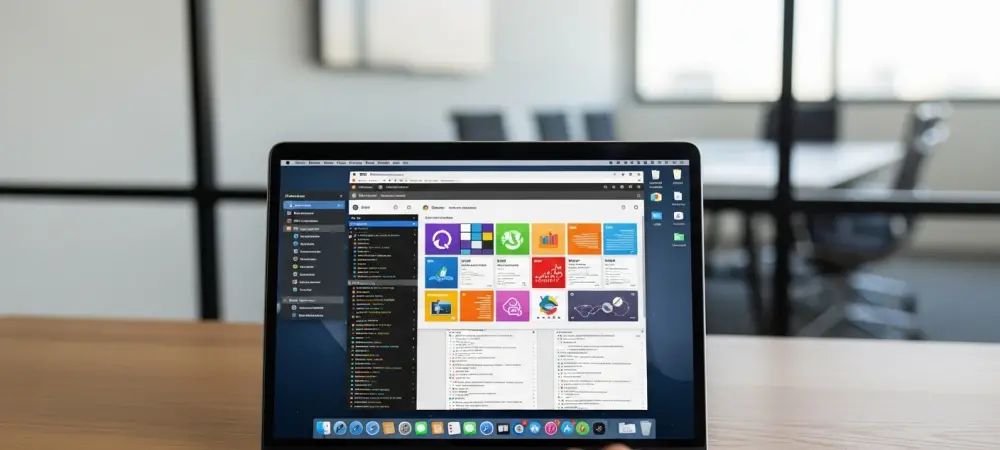
The traditional duopoly of Windows and macOS is currently facing its most formidable challenge yet as open-source ecosystems transition from niche developer tools into mainstream powerhouses. While proprietary software companies have historically dominated the desktop market, the arrival of highly polished, user-centric distributions has shifted the conversation from technical curiosity to practical necessity. This evolution is not merely a cosmetic update but a deep architectural refinement that addresses the modern needs of performance, privacy, and long-term hardware sustainability. In the current landscape of 2026, the barriers that once prevented casual users from adopting Linux—such as complex command-line requirements or inconsistent driver support—have largely vanished. Instead, a diverse range of systems now offers specialized environments that outperform traditional rivals in speed and security. This paradigm shift reflects a growing demand for autonomy in personal computing, where users prioritize stability over forced updates.
Engineering for Speed: The Hardware-Optimized Revolution
One of the primary catalysts for this resurgence is the emergence of performance-focused distributions like CachyOS, which leverages advanced hardware optimizations. Unlike generic operating systems designed to run on a broad spectrum of aging hardware, CachyOS utilizes specialized instruction sets such as x86-64-v3 and v4 to extract maximum efficiency from modern processors. This meticulous approach to engineering ensures that system tasks are executed with minimal latency, providing a noticeable boost in responsiveness during intensive workloads. For gaming enthusiasts and data scientists, this means that the operating system acts as an enabler rather than a bottleneck. By simplifying the installation process of these high-performance kernels, the community has effectively democratized advanced system tuning. This shift allows individuals without extensive technical backgrounds to benefit from low-latency computing environments that were once reserved for elite server administrators.
Parallel to these hardware gains is a fundamental rethink of the desktop environment itself, exemplified by the development of the COSMIC desktop within Pop!_OS. By utilizing the Rust programming language for its core components, the developers have prioritized memory safety and concurrent processing to eliminate the common crashes associated with legacy desktop shells. This engineering choice reflects a wider trend toward modern software reliability, ensuring that the user interface remains smooth even under heavy multitasking scenarios. The COSMIC environment provides an intuitive tiling window system that appeals to professionals who require efficient workspace management without the clutter of traditional window layouts. This focus on “engineering-first” design proves that Linux distributions are no longer just skinning existing tools; they are building original, high-quality software that rivals the aesthetic and functional standards of the most expensive proprietary systems on the market.
Security Reimagined: The Atomic and Stable Frameworks
As cybersecurity threats become more sophisticated, the Linux ecosystem has responded with the atomic computing model, popularized by distributions like Fedora Silverblue. This system employs an immutable core, meaning the foundational operating system files are read-only and cannot be accidentally modified or corrupted by user applications. When updates occur, they are applied as a complete “image” rather than individual file changes, which allows the user to roll back to a previous, working state if any issue arises. This structural integrity is reinforced by the widespread adoption of Flatpaks, which sandbox applications to prevent them from interfering with each other or the core system. This approach creates a resilient environment where system stability is guaranteed, effectively solving the problem of “software rot” that often plagues Windows installations over time. For users who value security above all else, this atomic design offers a level of protection that is inherently built into the architecture. While some distributions push the boundaries of new technology, Debian continues to serve as the bedrock of reliability, providing a predictable environment for those who prioritize uptime. With a history spanning over three decades, Debian has refined its testing processes to ensure that every package included in its stable branch meets rigorous quality standards. This commitment to consistency makes it an ideal choice for workstations and home servers where frequent, disruptive changes are unwanted. In 2026, its reputation for “rock-solid” performance remains unchallenged, acting as the starting point for dozens of other popular systems. By maintaining a strict focus on free and open-source software, Debian ensures that users have complete control over their computing environment without the risk of telemetry or unwanted commercial intrusions. This philosophical stance, combined with its technical excellence, provides a compelling alternative for users who have grown weary of aggressive monetization.
User Accessibility: Refining the Out-of-the-Box Experience
Accessibility remains a cornerstone of the modern Linux expansion, with Linux Mint leading the way by perfecting the transition for traditional desktop users. After twenty years of iterative development, Mint offers a desktop experience that is immediately familiar to anyone who has used a standard taskbar and start menu layout. The distribution simplifies complex tasks through its specialized management tools, such as a graphical driver manager that handles proprietary hardware support with a single click. This “out-of-the-box” readiness eliminates the frustration of searching for compatible software or fighting with hardware settings during the initial setup phase. Furthermore, the inclusion of a curated software store provides a safe and easy way to discover applications, mirroring the convenience of mobile app stores while maintaining desktop-class power. By focusing on the user’s comfort and reducing the learning curve, these distributions have effectively dismantled the myth that Linux is only for technicians.
Zorin OS takes the concept of user familiarity even further by offering a highly versatile interface that can be tailored to resemble both Windows and macOS aesthetics. This flexibility allows users to maintain their existing muscle memory while benefiting from the underlying security and efficiency of a Linux kernel. Beyond mere visual mimicry, Zorin OS integrates advanced compatibility layers like Wine and Proton, which have made running native Windows applications and modern video games a seamless experience. This integration bridges the software gap that previously held back adoption, allowing users to keep their favorite productivity tools while migrating to a more private platform. The system’s emphasis on choice and stability stands in stark contrast to the rigid design mandates often imposed by major tech corporations. By providing a bridge between disparate computing styles, Zorin OS facilitates a transition that feels less like a leap into the unknown and more like a natural progression toward a superior, personalized experience.
Effective Migration: Strategies for a Successful Transition
The modern landscape of personal computing is defined by a shift toward specialization, where the “one size fits all” approach of proprietary giants is increasingly scrutinized. Today, Linux users can select a distribution that is specifically tailored to their professional or personal needs, whether that involves high-end creative production, secure financial management, or casual web browsing. This granular control over the computing environment ensures that system resources are used effectively, rather than being wasted on background processes that serve the interests of the software vendor. As users become more aware of the benefits of open-source software, the demand for transparent and ethical computing has reached an all-time high. The diversity of the Linux ecosystem is its greatest strength, offering a vibrant marketplace of ideas where innovation is driven by community needs rather than profit margins. This healthy competition fosters a rapid pace of development, ensuring that the platform continues to evolve.
The migration toward a modernized desktop environment was historically most successful when individuals followed a meticulous preparation strategy that prioritized compatibility. It was widely observed that starting with a live USB environment allowed individuals to verify hardware functionality without making permanent changes to their primary storage drives. Successful adopters often utilized cloud-based storage or external partitions to manage their data during the transition, ensuring a seamless move between disparate file systems. Furthermore, the selection of cross-platform applications before the final switch proved to be a vital step in maintaining consistent productivity throughout the process. This historical period demonstrated that the most effective way to embrace open-source technology was through a gradual immersion into the community-driven software landscape. By focusing on specific use cases and utilizing the extensive documentation available, users built a computing environment that was far more resilient and personal.