

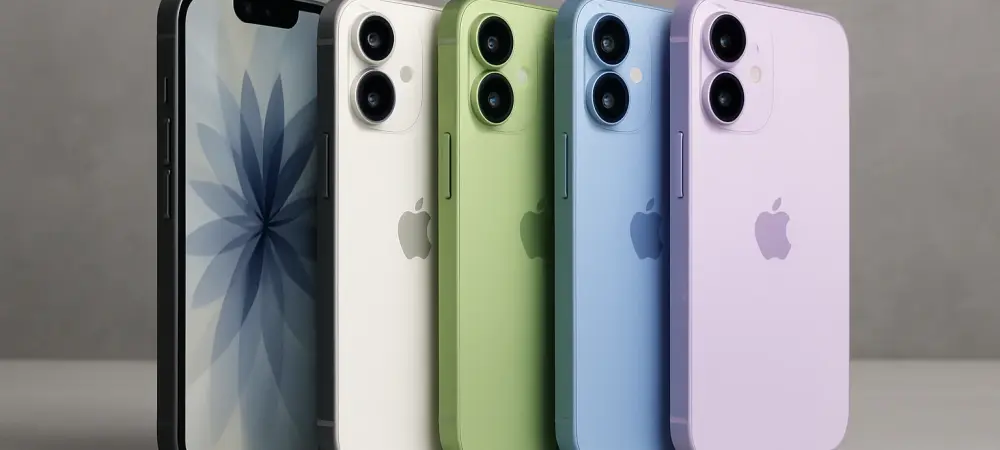
Imagine a world where a smartphone is thinner than a credit card, earbuds monitor your heart rate, and a smartwatch could potentially save your life with health alerts. This isn’t a distant dream but the reality Apple unveiled at its recent ‘Awe Dropping’ event at Apple Park, sparking intense discussion across the tech community with the launch of the iPhone 17 series, updated Apple Watch models, AirPods Pro 3, and sustainable accessories. This roundup gathers diverse opinions, tips, and reviews from industry analysts, tech reviewers, and consumer advocates to provide a comprehensive look at these groundbreaking releases. The purpose is to distill varied perspectives into actionable insights, helping readers understand what these innovations mean for everyday users and the broader tech landscape.
Key Product Highlights: What Experts Are Saying
iPhone 17 Series: Design and Performance Under the Microscope
The iPhone 17 series, with its four models—standard, ultra-slim iPhone Air, Pro, and Pro Max—has generated buzz for its bold design and powerful upgrades. Industry analysts commend the larger OLED displays with 120Hz refresh rates across all models and the A19 chip’s performance boost. Many highlight the camera systems, particularly the 48-megapixel sensors in Pro models, as a game-changer for mobile photography. Pricing, starting at Rs. 82,900 in India for the base 256GB variant, is seen as competitive given the storage increase and battery life improvements, reportedly up to eight hours longer than previous iterations.
However, opinions diverge on the iPhone Air’s 5.6mm thickness. Some tech reviewers praise Apple’s push toward minimalist design, suggesting it caters to users prioritizing portability. Others caution that such an ultra-slim profile might compromise durability, raising questions about long-term reliability during daily wear and tear. A common tip from hardware experts is for potential buyers to invest in protective cases if opting for this model, balancing aesthetics with practicality.
Another point of discussion is the vapor chamber cooling in Pro models, which sustains performance during intensive tasks like gaming or video editing. While many see this as a forward-thinking feature, a few skeptics argue it may not significantly impact casual users, questioning whether the higher price points—starting at Rs. 1,34,900 in India for the Pro—are justified for everyone. The consensus leans toward recommending Pro models to professionals or enthusiasts who need cutting-edge capabilities.
Apple Watch Updates: Health Tech Meets Connectivity
Apple’s refreshed Watch lineup, including Series 11, Ultra 3, and SE 3, has drawn attention for advancements in health monitoring and connectivity. Tech bloggers widely applaud the Series 11’s blood pressure tracking and 5G support, noting its potential to alert users to hypertension risks. Priced at Rs. 46,900 in India for the base model, it’s viewed as a valuable tool for health-conscious individuals. The Ultra 3, with satellite connectivity and a 42-hour battery life, is often recommended for adventurers or remote workers at Rs. 89,900.
Consumer advocates, however, express mixed feelings about affordability. While the SE 3, starting at Rs. 25,900 in India, is praised for features like Sleep Apnea detection, some argue that Apple risks alienating budget-conscious buyers with premium-focused innovations. A recurring tip from fitness experts is to consider the SE 3 as an entry-level health tracker, especially for those new to wearables, as it offers essential features without the hefty price tag.
A notable critique from wearable tech analysts centers on competition. With brands like Samsung and Garmin enhancing their health tech offerings, Apple’s pricing strategy is under scrutiny. Many suggest that maintaining a balance between innovation and accessibility will be key to retaining market share. For now, the advice is to compare features across brands before committing to a purchase, ensuring the chosen device aligns with specific lifestyle needs.
AirPods Pro 3: Audio Innovation or Health Gadget?
The AirPods Pro 3, priced at Rs. 25,900 in India, have redefined expectations by integrating heart rate tracking and personalized workout insights alongside superior audio quality. Audio tech reviewers are impressed by the 24-hour battery life with Active Noise Cancellation enabled and the AI-driven Live Translation feature for real-time conversations. Many see these earbuds as a versatile fitness companion, appealing to active users who value dual-purpose devices.
Contrasting views emerge on market positioning. Some industry watchers believe Apple is pioneering a trend where audio devices double as health monitors, potentially disrupting the fitness tracker market. Others question whether consumers in regions with high wearable adoption will embrace earbuds over dedicated trackers, citing comfort during prolonged use as a concern. A practical tip from tech lifestyle blogs is to test the fit and health features during workouts before fully transitioning from traditional trackers.
The debate also touches on value for money. While the wellness features are innovative, a segment of reviewers feels the price may deter casual listeners who don’t need health tracking. The suggestion here is to weigh personal priorities—if audio quality is the main goal, older models might suffice, but for integrated health insights, the Pro 3 stands out as a unique option.
Sustainable Accessories: A Step Toward Eco-Conscious Design
Apple’s introduction of TechWoven cases and a Crossbody Strap for the iPhone 17 series, both priced at Rs. 5,900 in India, signals a commitment to sustainability. Environmental tech analysts appreciate the use of eco-friendly materials, viewing it as a response to past criticism over accessory durability. Many note that Apple is catching up to competitors like Google, who have long emphasized recycled materials in their product lines.
Opinions vary on consumer impact. Some reviewers predict that sustainability could become a deciding factor for eco-minded buyers, especially as awareness of environmental issues grows. Others argue that the relatively high price for accessories might limit widespread adoption, suggesting Apple could explore more budget-friendly sustainable options. A common piece of advice is for consumers to research the materials and manufacturing processes behind such products to ensure they align with personal values.
An additional perspective from accessory market experts focuses on future potential. There’s speculation that Apple might integrate recycled materials into core products beyond accessories, setting a new standard. For now, the recommendation is to support these initiatives by opting for sustainable add-ons, as consumer demand could drive broader changes in tech manufacturing practices.
Synthesizing the Buzz: What Stands Out
Reflecting on the diverse insights, several themes emerge from Apple’s latest event. The iPhone 17 series garners admiration for its design and power, though concerns about durability and pricing persist. Health and connectivity advancements in the Apple Watch and AirPods Pro 3 position Apple as a leader in personal wellness tech, yet affordability remains a sticking point for some. Sustainability in accessories is a welcome move, with experts encouraging broader adoption of eco-friendly practices. Across these discussions, the balance between innovation and accessibility is a recurring concern, with tips often centering on aligning purchases with individual needs and values.
Wrapping Up the Discussion
Looking back, Apple’s ‘Awe Dropping’ event sparked a wealth of reactions that underscored both excitement and critical analysis within the tech sphere. Moving forward, readers are encouraged to delve deeper into specific product reviews or community forums to match these innovations with their unique priorities. For those considering a purchase, comparing features across competing brands could reveal the best fit. Additionally, keeping an eye on how Apple addresses feedback on pricing and durability in upcoming updates might offer further clarity. This event was just a chapter—staying informed on evolving trends and user experiences will be key to navigating the ever-changing landscape of consumer technology.