

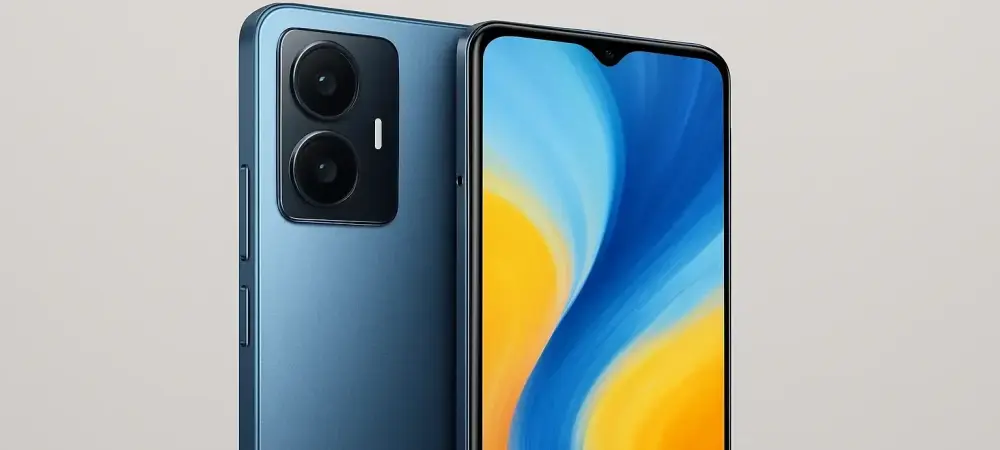
In an era where smartphone users demand devices tailored to their unique needs, the mid-range segment has become a battleground for innovation and customization. Picture a market where a single device adapts its features, design, and price to resonate with diverse cultural and economic landscapes across continents. This is the reality with iQOO, Vivo’s performance-driven sub-brand, which has captured attention with its latest offering. Launched in India on July 24 and in Russia on October 6, this smartphone exemplifies how regional customization can redefine user experience. This review delves into the nuances of its variants, dissecting specifications, performance, and market strategy to uncover what makes this device a standout in a crowded field.
Unveiling the Design and Build
The design of this smartphone reflects a keen understanding of regional aesthetics and practical needs. Both the Indian and Russian variants feature a striking 6.77-inch AMOLED display with a smooth 120Hz refresh rate, ensuring vibrant visuals and fluid navigation. However, the Indian model edges ahead with a peak brightness of 1,800 nits, ideal for outdoor visibility under harsh sunlight, compared to 1,300 nits in the Russian version, which may struggle in similar conditions.
Beyond the screen, physical differences emerge in build quality. The Russian variant, weighing 194g and measuring 7.59mm in thickness, feels more substantial but less sleek than the lighter and thinner Indian model. Durability also varies, with the Indian version boasting superior IP68 and IP69 ratings for dust and water resistance, making it a tougher companion in rugged environments, while the Russian model settles for an IP65 rating, offering basic protection against splashes.
Camera Capabilities Under the Lens
Photography enthusiasts will find much to appreciate in the shared camera setup across both variants. A 50-megapixel Sony IMX882 primary rear sensor delivers sharp, detailed images, complemented by a 32-megapixel front camera for high-quality selfies. This consistency ensures that users in both markets enjoy a reliable baseline for capturing moments, whether for social media or personal memories.
Divergence appears in the secondary camera offerings, tailored to distinct user preferences. The Russian model includes an 8-megapixel wide-angle lens, perfect for expansive landscapes or group shots, expanding creative possibilities. In contrast, the Indian variant opts for a 2-megapixel bokeh lens, prioritizing portrait photography with enhanced background blur, catering to a market fond of stylized individual shots.
Performance and Hardware Breakdown
Under the hood, chipset variations highlight iQOO’s strategic approach to performance. The Russian variant is powered by a MediaTek Dimensity 7360-Turbo, paired with up to 12GB of RAM and 512GB of storage, offering robust multitasking and ample space for apps and media. This setup targets users who prioritize raw power and storage capacity in their daily usage.
Meanwhile, the Indian model features a Dimensity 7400 SoC with different storage configurations, balancing efficiency and performance for a slightly different audience. Both variants run on Android 15-based Funtouch OS 15, with a planned update to OriginOS 6, ensuring a consistent software experience and access to the latest features and security enhancements over time.
Battery Life and Charging Speeds
Battery performance is another area where regional needs shape specifications. The Russian variant houses a massive 6,500mAh battery, coupled with 90W fast charging, catering to users who demand extended usage and minimal downtime. This makes it ideal for heavy users or those in areas with limited charging opportunities.
In comparison, the Indian model, while still capable, supports 44W charging, which may suffice for lighter usage but could lag for power-intensive tasks. This disparity reflects differing priorities, with the Russian focus on endurance contrasting with a more balanced approach in India, possibly influenced by cost considerations or market expectations.
Pricing Strategy and Market Fit
Pricing reveals how iQOO aligns its offerings with local economic contexts. In Russia, the base configuration (8GB RAM + 256GB storage) starts at RUB 22,999 (approximately $260), scaling to RUB 27,999 (about $310) for the top-tier 12GB RAM + 512GB storage model. Unique color options like Deep Black and Titanium Shine add a touch of exclusivity to appeal to style-conscious buyers.
Conversely, the Indian market sees a more budget-friendly range, starting at Rs. 19,499 (around $230) for the 8GB RAM + 128GB storage variant, with higher tiers at Rs. 21,499 and Rs. 23,499. Colors such as Aquamarine and Moonstone cater to vibrant, youthful tastes, aligning with cultural preferences while keeping affordability in focus, thus broadening accessibility.
Regional Customization as a Market Trend
The approach of tailoring smartphones to specific regions, as seen with this device, underscores a significant shift in the industry. By adjusting hardware like battery size, camera features, and even durability ratings, iQOO addresses varying consumer expectations, from rugged durability in one market to cost-effectiveness in another. This strategy ensures that the brand remains relevant across diverse demographics.
Such customization also navigates competitive landscapes and economic factors effectively. Manufacturers are increasingly recognizing that a uniform global product may not resonate everywhere, prompting adaptations in design and pricing. This trend not only boosts market penetration but also fosters brand loyalty by showing attentiveness to local user needs.
Challenges in Dual-Market Strategies
Despite the advantages, rolling out regional variants presents hurdles. Consumer confusion over differing specifications between markets can dilute brand clarity, as buyers may struggle to understand why certain features are exclusive to one region. This could lead to dissatisfaction or hesitancy among potential customers seeking uniformity.
Additionally, supply chain complexities arise from producing and distributing distinct models, potentially increasing costs or delaying availability. Technical trade-offs, such as varying charging speeds or durability ratings, might also impact user experience unevenly, with some markets feeling shortchanged compared to others, affecting overall reception.
Looking Ahead at iQOO’s Strategy
The evolution of the Z-series hints at a future where regional customization becomes even more granular. As iQOO refines its understanding of market-specific demands, upcoming releases could see further tailoring, perhaps in software optimizations or niche hardware features, to stay ahead of competitors adopting similar tactics.
This strategy’s long-term impact on global presence hinges on balancing innovation with consistency. Building consumer trust through transparent communication about variant differences will be key, as will navigating the competitive landscape where other brands also pivot toward localized offerings, shaping the industry’s direction from 2025 onward.
Final Thoughts and Recommendations
Reflecting on the journey of this smartphone through its Indian and Russian variants, the tailored approach proves a compelling experiment in meeting diverse user needs. The distinct specifications, from battery capacities to camera setups, showcase a nuanced understanding of regional demands, even as pricing mirrors local economic realities. Moving forward, potential buyers are advised to weigh their priorities—be it durability, performance, or affordability—against the variant available in their market. For iQOO, the challenge remains to streamline communication about these differences, ensuring clarity for consumers. As the industry continues to embrace customization, monitoring how such strategies evolve offers valuable insights for tech enthusiasts and manufacturers alike, paving the way for more personalized mobile experiences.