

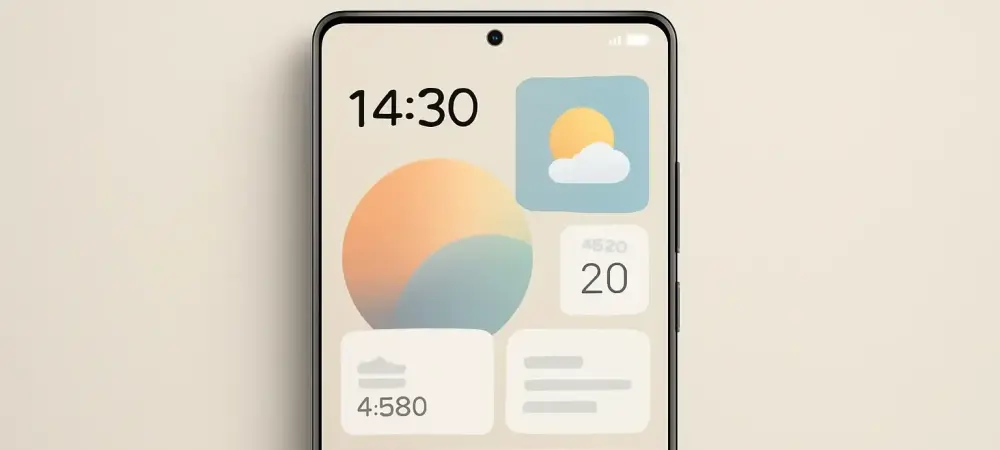
Smartphone operating systems are evolving at a breakneck pace, and Vivo has just entered the global arena with OriginOS 6, built on Android 16. With millions of users worldwide craving seamless performance, stunning visuals, and intelligent features, Vivo’s bold move to expand beyond China raises a critical question: Can this OS compete with established giants on a global scale? This roundup dives into diverse perspectives from industry analysts, tech enthusiasts, and early testers to unpack the innovations, challenges, and potential of OriginOS 6, offering a comprehensive look at what this launch means for users everywhere.
Exploring the Global Shift of OriginOS 6
Vivo’s transition from a China-exclusive operating system to a worldwide release with OriginOS 6 marks a significant pivot in its strategy. Industry observers note that this shift, debuting with flagship devices like the Vivo X300 series, signals an ambition to challenge the dominance of other mobile OS platforms. Many highlight the timing as strategic, aligning with growing demand for fresh, user-centric software experiences in diverse markets.
Feedback from tech communities suggests that Vivo’s decision to base OriginOS 6 on Android 16 provides a solid foundation for innovation. Some analysts emphasize that this move allows Vivo to tap into cutting-edge features while tailoring them to a broader audience. However, opinions vary on whether the company can overcome cultural and regional preferences that often shape OS adoption globally.
A point of contention among experts is the phased rollout planned from this year through 2027. While some see it as a cautious approach to ensure stability across devices like the X200 series and iQOO models, others argue it risks alienating users eager for immediate updates. This diversity in thought underscores the high stakes of Vivo’s global leap.
Key Features Under the Spotlight
Performance Boosts with Smooth Engine
One of the most talked-about aspects of OriginOS 6 is its Smooth Engine, designed to enhance app launch speeds and stabilize frame rates. Tech reviewers who’ve tested early builds on devices like the X300 Pro praise the noticeable improvements in responsiveness during multitasking. Their consensus leans toward this being a game-changer for power users.
Contrasting views emerge from hardware-focused analysts who caution that older Vivo devices might not fully harness the engine’s capabilities. They point out potential compatibility issues, suggesting that the true test will be how well the system adapts across a wide range of hardware. This concern highlights a divide in expectations between flagship and mid-range device owners.
User forums add another layer, with early adopters sharing mixed experiences. While many report a fluid interface, a few note occasional lags under heavy workloads, prompting discussions on whether software optimization alone can address hardware limitations. These varied insights paint a complex picture of performance expectations.
Visual Overhaul via Origin Design System
The Origin Design system, featuring transparency effects, blur aesthetics, and the custom Vivo Sans font, has sparked lively debate over its global appeal. Design experts commend the cohesive look and support for over 40 languages, arguing that it sets a new standard for readability and interface consistency in smartphone UIs.
On the flip side, some user feedback indicates a learning curve with the revamped visuals. Certain tech bloggers express skepticism about whether this bold redesign will resonate with audiences accustomed to more familiar design languages. They question if Vivo has struck the right balance between innovation and accessibility.
A smaller but vocal group of enthusiasts appreciates the attention to detail in creating a unified aesthetic. Their reviews often highlight how the design enhances navigation, though they wonder if long-term user adoption will hinge on customization options. This mix of admiration and uncertainty reflects the challenge of redefining visual standards globally.
Smart Features with Origin Island and Android 16
Origin Island, leveraging Android 16’s Live Updates for contextual on-screen actions, has garnered attention for its potential to streamline daily tasks. Productivity-focused analysts describe features like quick copy-paste and in-app image edits as practical boosts, with some predicting they could redefine user interactions if executed well.
However, opinions differ on the feature’s relevance across regions. Some tech commentators argue that cultural usage patterns might limit its appeal, especially in markets where simpler interfaces are preferred. They suggest Vivo may need to tailor such innovations to specific user habits for maximum impact.
Early user impressions also vary, with a segment of testers finding Origin Island intuitive for quick actions, while others view it as a gimmick lacking depth. This split in perception raises questions about whether such smart features can truly integrate into diverse lifestyles or remain niche additions.
AI Innovations and User Assistance
Vivo’s integration of AI, including Google’s Gemini chatbot and Circle to Search, positions OriginOS 6 as a frontrunner in intelligent assistance. Industry voices recognize the growing importance of AI in mobile ecosystems, with many applauding Vivo for embedding these tools to enhance search and interaction capabilities.
Comparative analysis by tech critics reveals a competitive edge over some rival OS platforms, though they note that Vivo’s AI suite might not yet match the depth of more established systems. Speculation abounds on future expansions, with some suggesting that deeper personalization could be the next frontier for Vivo’s AI focus.
Privacy remains a sticking point, as user communities express concerns over data handling in AI-driven features. Analysts echo this sentiment, warning that global markets with stringent privacy norms might scrutinize these enhancements closely. Balancing innovation with trust emerges as a critical theme in these discussions.
Rollout Expectations and Practical Takeaways
The phased rollout of OriginOS 6, covering both new flagships and select older models through 2027, has elicited a spectrum of reactions. Tech strategists view the gradual approach as a way to refine updates based on user feedback, potentially ensuring a smoother global deployment. They advise patience as Vivo navigates this expansive timeline.
User tips circulating in online forums focus on checking device compatibility and preparing for updates by backing up data. Many community members also recommend exploring features like Origin Island for everyday efficiency, reflecting a proactive stance among Vivo’s fanbase. These practical pointers aim to ease the transition for a wide audience.
Analysts tracking Vivo’s plans suggest keeping an eye on regional announcements for specific launch dates, especially for key models like the X300 series. Their insights stress the importance of staying updated via official channels to avoid misinformation. This collective advice underscores a shared interest in a successful global rollout.
Reflecting on Vivo’s Bold Step Forward
Looking back, the global unveiling of OriginOS 6 by Vivo sparked a dynamic conversation among analysts, users, and enthusiasts, revealing both excitement and caution over its ambitious features and rollout strategy. The blend of performance enhancements, design innovations, and AI integrations captured significant attention, while concerns over compatibility and regional fit fueled critical discourse. For users and observers alike, the next steps involve closely monitoring how Vivo addresses early feedback—consider joining community forums for real-time updates or exploring detailed reviews to understand feature impacts. As Vivo continues to refine its approach, staying engaged with official announcements will be key to navigating this evolving smartphone landscape.