

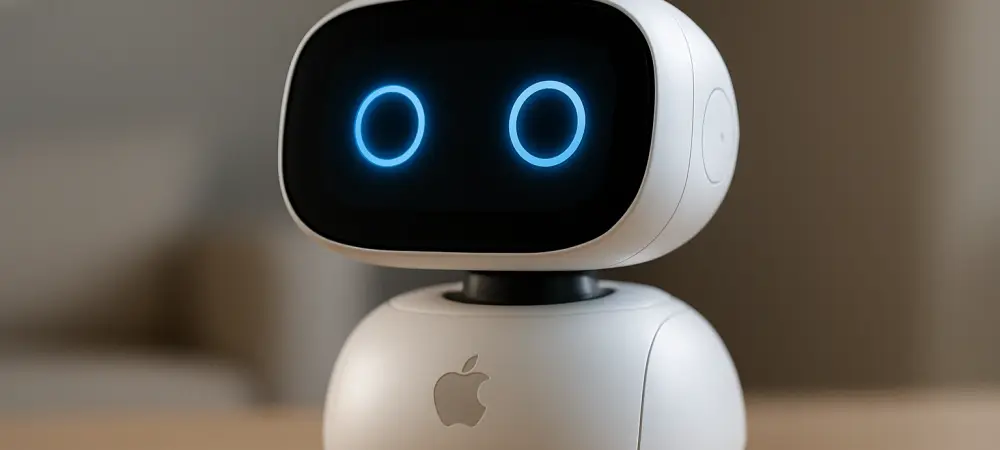
I’m thrilled to sit down with Dominic Jainy, a seasoned IT professional whose deep expertise in artificial intelligence, machine learning, and blockchain offers a unique perspective on cutting-edge tech. Today, we’re diving into Apple’s ambitious plans for AI-powered devices, including a much-talked-about tabletop robot, a smart display speaker, and a new security camera. Our conversation explores how these innovations aim to reshape user experiences, Apple’s strategy to compete in the generative AI landscape, and the potential impact of these devices on everyday life. Let’s get started.
How do you see Apple’s broader vision for AI-powered devices shaping up with these upcoming products?
I think Apple is making a bold move to integrate AI deeply into our daily interactions. Their focus seems to be on creating seamless, intuitive experiences through devices like the tabletop robot, a smart speaker, and a security camera. It’s clear they’re aiming to catch up in the generative AI race by embedding advanced capabilities into Siri and building ecosystems where these gadgets work together. This isn’t just about hardware; it’s about redefining how we interact with technology in personal and home environments.
Can you paint a picture of what Apple’s tabletop robot might bring to the table when it launches?
From what’s been reported, this robot, expected around 2027, could be a game-changer. Imagine an iPad-like display mounted on movable limbs that can adjust and follow you around. It’s designed as a virtual companion, with standout features like enhancing FaceTime calls by locking onto the user for a hands-free experience. It’s not just a static device; it’s meant to feel dynamic and responsive, almost like a personal assistant that moves with you.
There’s buzz about this robot having the ability to interrupt conversations. How do you think Apple plans to make that feel natural rather than intrusive?
Apple seems to want the robot to mimic human-like interaction, especially in group settings around a table. The idea is for it to interject with relevant suggestions, perhaps offering information or ideas based on the discussion. If done right, it could feel like another person chiming in. But the challenge lies in balancing usefulness with privacy—ensuring it doesn’t overstep or seem like it’s eavesdropping. It’s a fine line, and user feedback will be crucial here.
Let’s shift to the smart display speaker, code-named J490. How does this device fit into Apple’s AI lineup compared to the tabletop robot?
The J490, reportedly launching next year, appears to be a more stripped-down offering. Unlike the tabletop robot, it won’t have movable limbs or the same conversational depth with Siri. It’s likely positioned as a more accessible entry point into Apple’s AI ecosystem—a hub for basic smart home functions and social interaction through a new operating system called Charismatic. It’s less ambitious but could appeal to a wider audience looking for simplicity.
Apple is also stepping into home security with a new camera, code-named J450. What excites you most about its potential features?
The J450 sounds fascinating with its facial recognition and infrared sensors for detecting people. What’s really compelling is how it integrates with the broader Apple ecosystem to automate tasks—like adjusting lights or locking doors based on who’s home. It’s battery-powered, which adds flexibility, and reports suggest it’s just the beginning of a broader lineup of home-security products. This could position Apple as a serious player in smart home safety.
How do you think Apple’s push into these AI-driven devices will influence the competitive landscape of smart home tech?
Apple’s entry could shake things up significantly. Their strength lies in creating cohesive ecosystems, so these devices—powered by an enhanced Siri and a social operating system—might offer a level of integration competitors struggle to match. They’re late to the generative AI party, but their focus on privacy and user experience could differentiate them. It’ll push others to innovate faster, especially in areas like conversational AI and home automation.
What’s your forecast for the future of AI companions like Apple’s tabletop robot in our homes over the next decade?
I believe we’re just scratching the surface with AI companions. Over the next ten years, devices like Apple’s robot could become central to how we manage our homes and personal lives—think of them as evolving from novelty to necessity. As AI gets better at understanding context and emotions, these companions might handle everything from scheduling to emotional support. The key will be trust—ensuring they enhance our lives without crossing into invasiveness. Apple’s approach could set a high standard if they get the balance right.