

Dominic Jainy brings a wealth of knowledge in consumer electronics and machine learning to our discussion today as the iPhone 18 Pro series officially hits the Indian market. Following the highly anticipated “Surprise and Shine” event, we explore the intricate pricing structures, the surprising role of quick commerce in luxury distribution, and the financial incentives like trade-ins and bank cashbacks that are reshaping how enthusiasts acquire the latest hardware. This conversation delves into the shift toward ultra-high storage capacities and how the retail landscape has evolved to offer immediate gratification for high-end technology.
The iPhone 18 Pro starts at Rs. 1,64,900, which is a significant investment for any consumer. How do you justify this premium pricing in the current market, and what does the top-end 2TB model at over Rs. 3 lakh represent for the industry?
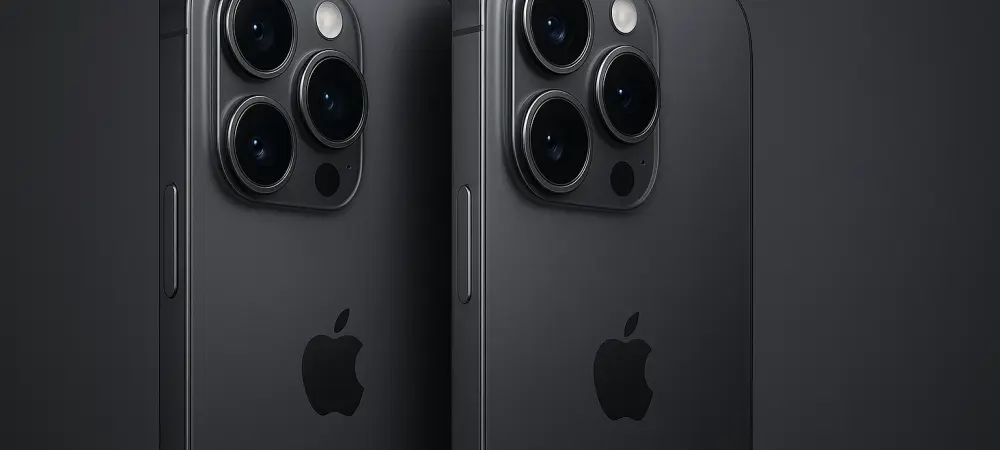
The entry price of Rs. 1,64,900 reflects the sophisticated engineering and the “Surprise and Shine” innovations that enthusiasts have been waiting for. When you look at the 2TB variant of the iPhone 18 Pro Max, which reaches a staggering Rs. 3,29,900, we are seeing the smartphone transition into a professional-grade workstation. For power users, the jump from the 256GB base to the 2TB ceiling isn’t just about storage; it’s about the peace of mind to capture high-bitrate media without ever seeing a “disk full” notification. The tactile feel of the new Glacier and Burgundy finishes adds a layer of physical luxury that complements these internal specs. It is a bold statement from the manufacturer that there is a dedicated segment of the market ready to pay for the absolute pinnacle of mobile technology.
With trade-in values reaching as high as Rs. 81,500, how is the financial strategy for owning a flagship device changing for the average professional?
The financial friction of upgrading is significantly reduced when you realize you can essentially halve the cost of a new device through the official Trade-In program. Combined with the Rs. 7,000 cashback available for holders of ICICI, Axis, or SBI cards, the effective price becomes much more palatable for someone eyeing the Rs. 1,79,900 Pro Max. It’s no longer just about the sticker price, but about the lifecycle value of the hardware you are currently holding. These offers, along with the six-month no-cost EMI options, allow users to manage their cash flow while still accessing cutting-edge tools. Seeing that credit back on your statement or the immediate deduction at the store creates a very different emotional response than a flat, high-outlay purchase.
We are seeing these premium devices available on quick commerce platforms like Blinkit and Zepto for the first time. What does this shift in availability tell us about modern consumer behavior?
The fact that you can order a device worth nearly two lakh rupees and have it delivered by 8:00 AM IST alongside your morning groceries is a testament to the “need-it-now” culture. Traditionally, you would wait in line at an Apple Store or an authorized dealer like Croma, but the inclusion of Swiggy and Zepto changes the logistics of luxury entirely. It removes the geographical barrier for people who can’t make it to a physical mall but want that instant unboxing experience. This move toward quick commerce shows that the industry recognizes that for a high-net-worth consumer, time is often more valuable than the traditional retail experience. It’s about the thrill of the “Surprise and Shine” event being delivered to your doorstep within minutes of the sale going live.
For someone currently using last year’s iPhone 17 Pro Max, what are the most compelling reasons to make the switch today, or is it wiser to wait?
The dilemma of upgrading a device that is barely a year old is always tough, but the iPhone 18 Pro offers a refined experience that is hard to ignore, especially in the new Dark Blue or deep Burgundy shades. While the previous generation is still a powerhouse, the internal upgrades and the sheer prestige of the Glacier finish provide a fresh sensory experience. If you are a creator, the move to a 1TB or 2TB storage tier at Rs. 2,54,900 or higher might be the specific catalyst you need for your workflow. However, if your current phone handles your daily tasks without lag, you might feel the urge to wait, though the Rs. 81,500 trade-in value is currently at its peak. Ultimately, it comes down to whether you want to stay at the absolute forefront of the ecosystem or if “good enough” still satisfies your needs.
What is your forecast for the high-end smartphone market in India?
I foresee a continued shift toward extreme storage tiers as mobile photography and high-definition video become even more central to our digital identities. While the 256GB base variant serves many, the existence of a 2TB option at Rs. 3,29,900 signals a future where the smartphone isn’t just a communication tool but a primary workstation for creators. We will likely see trade-in values becoming even more aggressive as manufacturers compete for brand loyalty in a saturated landscape. The integration of high-value devices into quick commerce apps is just the beginning of a delivery revolution that prioritizes immediate gratification for the luxury consumer. Over the next couple of years, the distinction between “mobile” and “professional” hardware will continue to blur until they are one and the same.