

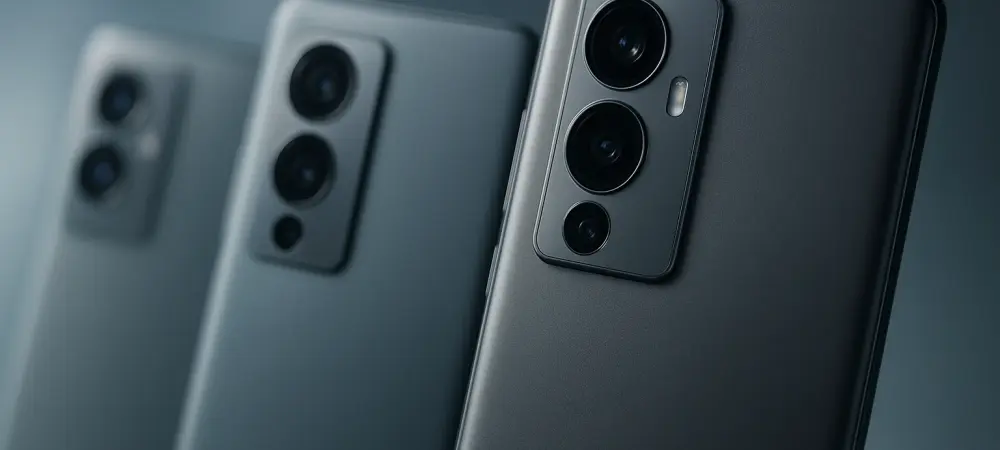
The global smartphone market has reached a pivotal juncture in 2026 where the mere refinement of existing features is no longer sufficient to capture the attention of a demanding consumer base. Innovation must now be tangible, moving beyond incremental updates to provide users with tools that genuinely redefine their daily digital interactions. The release of the Vivo X500 series represents this shift, aiming to blend extreme processing power with a sophisticated aesthetic that distinguishes it from a crowded field of high-end competitors.
Introduction: Evaluating Vivo’s Latest Flagship Ambitions
Assessing the Value Proposition
The pricing strategy for this series reflects a move toward the ultra-premium segment, with the base model starting at CNY 5,499. While this investment is significant, the hardware specifications suggest that the brand is targeting long-term value through durability and high-performance ceilings. Every model in the lineup offers a variety of storage configurations, ensuring that users can select a device that matches their specific data requirements without overpaying for unnecessary capacity.
Target Audience and Market Needs
This lineup is clearly designed for a dual demographic of mobile gamers and professional content creators who require uncompromising speed and imaging precision. By offering three distinct sizes and performance tiers, the brand addresses the diverse physical preferences of the modern user, from those seeking a compact powerhouse to enthusiasts desiring a massive canvas for media consumption. The inclusion of high-tier environmental protection also suggests a focus on users who operate in diverse and demanding outdoor conditions.
The Strategic Partnership with MediaTek and Zeiss
Collaboration remains a cornerstone of the brand’s identity, as evidenced by the deepened ties with MediaTek for silicon optimization and Zeiss for optical excellence. These partnerships are not merely marketing labels but involve deep-level hardware integration that dictates how the device manages heat and processes visual data. The synergy between custom-tuned chipsets and world-class lens coatings allows for a level of performance that general-purpose components rarely achieve in the current market.
Detailed Overview of the Vivo X500 Series Lineup
Core Features and Hardware Architecture
The foundation of the series rests on a highly efficient power delivery system and a thermal management structure designed to sustain peak performance. Each device utilizes a sophisticated cooling chamber that prevents the high-frequency processors from throttling during intensive tasks. This architectural focus ensures that the hardware remains relevant and capable throughout the lifecycle of the device, especially as software demands grow from 2026 to 2029.
Model Differentiation: X500, X500 Pro, and X500 Pro Max
Variety defines the lineup, with the standard X500 offering a balanced 6.59-inch display, while the Pro model caters to the “mini-flagship” trend with a more ergonomic 6.36-inch screen. The Pro Max remains the definitive choice for those who prioritize maximum battery life and a large 6.85-inch panel. Despite these physical differences, the shared design language across all models maintains a sense of premium continuity through high-quality materials and refined finishes.
Cutting-Edge 2nm and 3nm Semiconductor Integration
The adoption of 2nm process technology for the Pro models marks a significant leap in energy efficiency and transistor density. This leap allows for a reduction in heat generation while simultaneously boosting the clock speeds of the primary cores to unprecedented levels. The standard model also benefits from the latest 3nm architecture, providing a performance-to-power ratio that sets a new standard for entry-level flagship devices.
Proprietary Blueprint Imaging Chips: V3+ and VS1
Beyond the main processor, the inclusion of dedicated imaging silicon offloads the heavy lifting of computational photography from the central SoC. These chips are specifically tuned to handle real-time noise reduction and high-dynamic-range mapping, allowing the viewfinder to show an accurate representation of the final photo. This dual-chip approach reduces latency in the camera app and ensures that high-resolution video capture does not drain the battery excessively.
Real-World Performance and Technical Evaluation
Processing Benchmarks and Gaming Capabilities
In synthetic tests and real-world gaming scenarios, the Dimensity 9600 Pro SoC demonstrates a remarkable ability to maintain stable frame rates in the most graphically demanding titles. The Mali-G2-Ultra-NX GPU facilitates a level of visual fidelity that rivals dedicated gaming consoles, with ray-tracing capabilities that enhance the immersion of modern mobile games. Multitasking is equally fluid, as the high RAM overhead allows for dozens of applications to remain active in the background without reloads.
Display Quality and Visual Fluidity at 144Hz
The visual experience is defined by the 144Hz AMOLED panels, which provide an exceptionally responsive interface for both navigation and high-speed content. Peak brightness levels are sufficient for clear visibility even under direct sunlight, and the 100 percent DCI-P3 color gamut ensures that images and videos are rendered with professional accuracy. The transition between different refresh rates is seamless, effectively balancing the need for smooth motion with the desire for energy conservation.
Professional Imaging: Zeiss Optics and the 200MP Telephoto Standard
Mobile photography is elevated to a professional standard through the 200-megapixel telephoto lens on the Pro Max, which captures an incredible amount of detail at long focal lengths. The Zeiss-tuned sensors provide a natural color science that avoids the over-saturated look common in many modern smartphones. Low-light performance is particularly impressive, as the large primary sensors and advanced optical stabilization work together to minimize grain and motion blur.
Battery Longevity and 90W Charging Efficiency
Battery capacities have reached a new zenith in this series, with the 8,000mAh cell in the top-tier model providing multi-day usage for the average consumer. Even the smaller Pro model manages to provide a full day of heavy use thanks to the efficiency of the 2nm chipset. When power is low, the 90W wired charging system replenishes the battery with remarkable speed, while the 40W wireless option offers a convenient alternative for maintaining charge throughout the workday.
Software Experience with OriginOS 7 and Android 17
Operating on Android 17, the OriginOS 7 interface offers a clean and highly customizable user experience that prioritizes speed and accessibility. The software includes intelligent resource allocation features that learn user habits to pre-load frequently used applications. Security is also a major focus, with enhanced privacy controls and a lightning-fast in-display fingerprint scanner that ensures data remains protected without compromising convenience.
Analysis of Strengths and Limitations
Key Advantages of the X500 Series
The primary strength of the lineup lies in its uncompromising hardware specifications, particularly the massive battery sizes and the industry-leading telephoto camera. Users who prioritize longevity and photographic flexibility will find few alternatives that offer this specific combination of features. Furthermore, the inclusion of a compact flagship option in the Pro model fills a significant gap in the market for users who want top-tier power without the bulk.
Potential Drawbacks and Considerations
While the hardware is exceptional, the sheer size and weight of the Pro Max model may be a deterrent for users with smaller hands. The premium pricing also places these devices beyond the reach of the average consumer, making them a specialized choice for enthusiasts. Additionally, the rapid evolution of the mobile market means that while these specs are current for 2026, the software support cycle will be the deciding factor in their long-term viability.
Comparative Effectiveness in the Premium Segment
When compared to other flagship devices released this year, the X500 series holds a distinct advantage in terms of raw battery capacity and specialized imaging hardware. However, some competitors offer more integrated global software ecosystems that might appeal to users already locked into specific service platforms. The effectiveness of the Vivo lineup depends largely on whether the user values specialized hardware innovations over generic software familiarity.
Summary of Findings and Final Assessment
Review Recap: Innovation vs. Practicality
The evaluation of the X500 series revealed a successful balance between experimental technology and daily utility. The brand did not simply chase high numbers for the sake of marketing; instead, the 200MP sensor and the 8,000mAh battery translated into genuine improvements in the user experience. The hardware was consistently reliable, and the integration between the various custom chips resulted in a cohesive performance profile that felt intentional and polished.
Final Performance Rating
Across all categories, the series performed at the highest level expected of a 2026 flagship, earning top marks for its display and processing capabilities. The camera system was particularly noteworthy for its versatility, and the battery life established a new benchmark for the industry. While the price and physical dimensions of the larger models were considerations, the overall execution of the hardware was nearly flawless, justifying its position at the top of the market hierarchy.
Recommendation on the Investment Value
For those who view their smartphone as a primary tool for work and creative expression, the investment in the X500 series was clearly justified by the efficiency gains provided. The hardware was built to withstand several years of intensive use, making the high initial cost more palatable when spread over a longer ownership period. Prospective buyers had to weigh the benefits of the cutting-edge silicon against their actual need for such extreme performance levels.
Concluding Opinion and Purchase Advice
Identifying the Ideal User Profile
The most satisfied users for this series will likely be those who frequently find themselves away from a charger and those who demand the best possible zoom capabilities for photography. Professionals who rely on their devices for high-resolution video recording will also find the dedicated imaging chips and high-speed storage to be indispensable assets. Conversely, casual users who primarily use their phones for communication and basic social media may find the extensive feature set to be more than they require.
Long-Term Adoption Considerations
As the industry moves toward 2027 and beyond, the importance of 2nm architecture will only increase as artificial intelligence applications become more integrated into the mobile experience. Investing in this hardware now provides a level of future-proofing that ensures the device will not become obsolete as new software features are rolled out. Buyers should consider the environmental impact of such large batteries and look for trade-in programs that facilitate responsible recycling once the device reaches the end of its functional life.
Final Verdict on the Vivo X500 Series
The Vivo X500 series successfully raised the bar for what a flagship device could achieve by focusing on the core pillars of battery, camera, and processing power. It represented a bold move away from the safety of incremental updates and toward a more aggressive pursuit of technological leadership. This lineup proved that when a manufacturer listens to the specific needs of its power users, the result is a device that feels less like a gadget and more like a vital extension of the professional toolkit.