

Digital landscapes are shifting as mobile devices transition from static tools into dynamic companions that anticipate user needs through sophisticated behavioral analysis and immersive software. Google has shifted the narrative from simple software patches toward comprehensive feature drops that fundamentally alter how users interact with their devices. The September 2026 release represents a pivotal moment in this strategy, as it bridges the gap between high-end AI capabilities and the nostalgic, personal elements of digital life. This update is not just about technical specifications; it is about how a smartphone can mirror the owner’s personality while proactively defending their digital boundaries.
The Evolution of the Pixel Experience: Moving Beyond Incremental Updates
The modern smartphone experience is increasingly defined by its ability to adapt to the user’s specific context rather than forcing the user to adapt to the hardware. By integrating advanced machine learning models directly into the operating system, the latest drop ensures that the interface remains fluid and responsive to individual habits. This evolution marks a departure from the days when software updates were merely about fixing bugs, moving toward a model where each release provides a significant upgrade to the device’s core functionality.
Bridging Hardware Longevity With Modern Innovation
As smartphone upgrade cycles lengthen, the importance of backward-compatible software has never been more critical for the average consumer. By extending sophisticated features to devices as old as the Pixel 6, Google is addressing the growing demand for sustainability and value retention in the mobile market. This release highlights a significant trend: the aging of a device is no longer dictated by its purchase date, but by the intelligence of its latest update. This approach ensures that hardware remains relevant and performant for years after its initial launch.
A Deep Dive Into Customization, Security, and Wellbeing
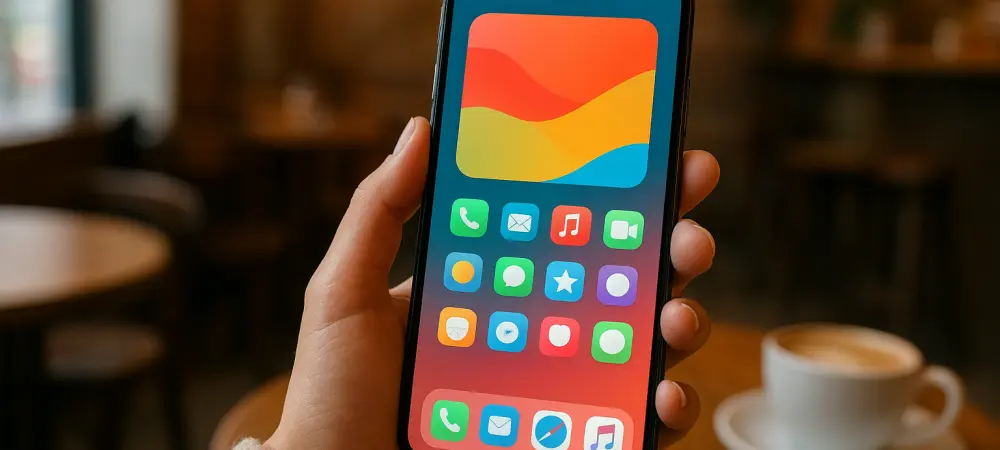
Through a strategic partnership with Audible, users can overhaul their UI with “Harry Potter: The Full-Cast Audio Editions” themes, featuring bespoke wallpapers and immersive soundscapes. A revamped home screen widget prioritizes human connection, offering one-tap calling and a floating menu for fluid transitions between a user’s most frequent contacts. Security moves from passive to proactive with a new Gboard integration in the US that analyzes typing patterns to flag potential scams in real-time.
Furthermore, the existing notification-based scam detection system is scaling internationally, adding support for six new languages and expanding its protective reach to nine additional countries. The “Pause Point” feature is migrating from the flagship Pixel 11 to older models, introducing a deliberate friction layer to curb mindless scrolling and impulsive app usage. These additions create a more secure and mindful digital environment for users across various demographics.
Expert Perspectives on Google’s Ecosystem Strategy
Industry analysts note that Google’s decision to offer a two-month Audible trial alongside this drop is a calculated move to deepen ecosystem loyalty. By blending entertainment with utility, the Pixel is positioned not just as a tool, but as a lifestyle hub. Early testers report that the “Pause Point” feature effectively reduces screen time by forcing a moment of mindfulness, suggesting that software-induced friction might be the most effective way to combat digital addiction.
Moreover, the emphasis on security expansion signals a commitment to global user safety that transcends regional boundaries. By democratizing access to high-end protective tools, the company is establishing a new standard for mobile privacy and digital health.
Maximizing the September 2026 Features on Your Device
Eligible users in the US, UK, and India navigated to the Pixel Tips app to claim their introductory offers before the mid-January 2027 deadline. They configured the VIP widget by long-pressing the home screen to enable faster communication with their primary contacts. To enhance security, the Gboard scam detection was activated via privacy settings, while Pause Points were established in the Digital Wellbeing dashboard to define the delay duration for distracting apps. Finally, system updates were monitored manually to ensure every device model received these transformative enhancements.