

Dominic Jainy brings a wealth of knowledge to the table regarding the hardware-software symbiosis required for modern artificial intelligence. As an IT professional deeply embedded in the evolution of silicon architecture and machine learning, he offers a unique perspective on why seemingly incremental hardware shifts often dictate the entire user experience. This discussion explores the technical nuances of Apple’s transition to a 9GB RAM standard for its base models, the move toward a 2nm fabrication process, and the widening performance gap necessitated by increasingly demanding on-device AI models. We delve into how these engineering decisions might redefine the boundary between standard and professional devices in the coming years.
How do you interpret Apple’s shift toward an unconventional 9GB RAM configuration using six 1.5GB dies for the upcoming standard iPhone 18 models?
This move is a fascinating piece of engineering gymnastics, shifting from the traditional four 2GB chips seen in the iPhone 17 to a more granular six-die layout. By opting for 9GB of DRAM, Apple is trying to squeeze every ounce of efficiency out of the hardware to bridge the performance gap for Apple Intelligence under the upcoming iOS 27. You can almost feel the tension in the design room as they balance manufacturing costs against the ravenous memory hunger of these new AI models. While it is only a 1GB increase over previous generations, the move to 1.5GB dies suggests a modular strategy that allows them to scale memory more precisely across their entire lineup without the waste of a full 4GB jump.
What impact will the transition to TSMC’s 2nm Gate-All-Around process and the A20 SoC have on the overall user experience for these base-tier devices?
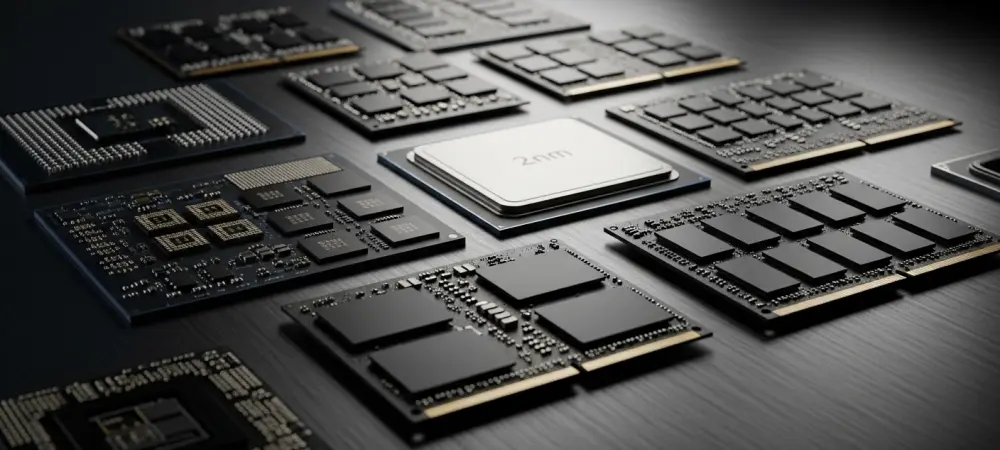
The leap to a 2nm GAA process is where the real magic happens, as it fundamentally changes how transistors are stacked and managed for better thermal efficiency. When you combine this A20 SoC with the extra RAM, the sensation of speed won’t just be about opening apps faster; it will be about the device staying cool while processing complex tasks in the background. Users will likely notice a more fluid response when engaging with system-wide features that previously felt slightly sluggish on 8GB hardware configurations. It represents a critical evolution in making the standard iPhone feel like a powerhouse that doesn’t compromise on battery life or sustained performance during heavy workloads.
With advanced AI features currently demanding a minimum of 12GB of unified memory, where does this leave the 9GB iPhone 18 in terms of functionality?
There is a palpable sense of anxiety for power users because that 12GB requirement acts as a hard gate for the most sophisticated on-device models, such as those powering expressive Siri voices and advanced dictation. Even with 9GB, the standard iPhone 18 and 18e might still find themselves locked out of the Pro tier of AI experiences that devices like the iPhone Air or the M4 iPads enjoy. It creates a tiered ecosystem where, despite having a brand-new A20 chip, the base model might only handle a light version of Apple Intelligence features. This distinction is crucial because it suggests that 12GB is becoming the new baseline for what we consider a truly smart smartphone in the modern era.
How does the rumored strategy of launching Pro models in September followed by standard versions in March change the value proposition for the consumer?
Splitting the launch cycle is a bold move that essentially turns the spring into a major event for the broader consumer base while keeping the fall reserved for enthusiasts and professionals. It allows the company to manage supply chains more effectively, especially with specialized components like the eight 1.5GB memory dies found in the 12GB Pro models. For the average buyer, it means the newest technology is always fresh in their minds, either through the cutting-edge Pro release or the refined standard model six months later. This cadence ensures that the hardware remains the center of the conversation year-round, rather than just during a single autumn window, providing a more consistent stream of innovation.
What is your forecast for the rumored iPhone Ultra and the introduction of foldable technology into this high-memory ecosystem?
I expect the iPhone Ultra to serve as the ultimate showcase for Apple’s high-memory architecture, likely shipping with 12GB of RAM to ensure it can handle the massive multitasking demands of a foldable screen. As we see with competitors pushing battery boundaries to 7,000mAh, Apple will likely counter by focusing on the seamless integration of that massive memory pool with the A20 Pro chipset. This device won’t just be a phone; it will be a canvas for the most advanced on-device AI models that the standard 9GB models simply cannot touch. By 2027, the Ultra will likely define a new super-premium category where the hardware finally catches up to the ambitious software visions we are seeing today.