

The swift evolution of mobile technology often leaves consumers wondering if the next major release will truly redefine the experience or simply polish existing features. Currently, the industry looks toward the X500 series as a potential catalyst for change. The pace of innovation has accelerated to a point where a yearly cycle no longer satisfies the hunger for cutting-edge hardware and unique user experiences.
A Rapid Shift: High-End Smartphone Landscape
In a saturated market, the flagship label is harder to earn. Manufacturers must move beyond incremental updates to capture attention. Consumers now demand “super-spec” devices that offer professional tools, shifting the focus toward mobile workstations that challenge traditional hardware limitations and push the boundaries of what a handheld device can accomplish.
As the boundaries between professional and consumer technology blur, brands are forced to innovate or risk obsolescence. This shift is driven by a global community that utilizes mobile devices for high-level creative and computational tasks. Such evolution necessitates a fundamental rethink of what a premium device should deliver to stay relevant in a competitive field.
Strategic Logic: Multi-Tier X500 Rollout
Vivo addresses this demand by planning a simultaneous launch of the X500, X500e, X500 Pro, and X500 Pro Max. This strategy bridges the gap between mid-range affordability and premium luxury. Diverse screen sizes and price points allow the brand to dominate market segments without alienating budget-conscious enthusiasts or those seeking absolute peak performance.
Each model serves a specific purpose, ensuring technology remains accessible yet aspirational. This approach prevents the brand from being pigeonholed into a single category. Instead, it creates a ladder for users as their needs evolve, effectively securing long-term loyalty through variety and strategic positioning in an increasingly crowded and demanding global marketplace.
Pioneering Performance: Dimensity 9600 and LPDDR6 Memory
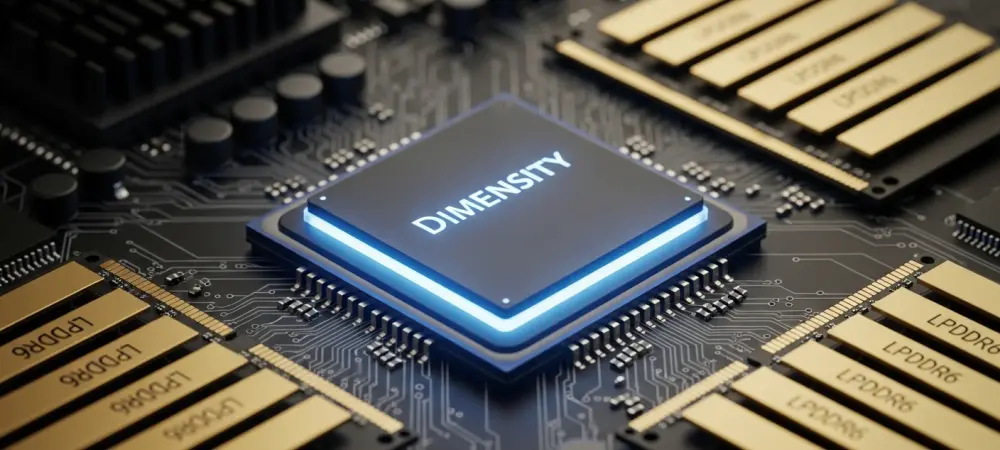
The Pro Max variant features the Dimensity 9600 chipset and the debut of LPDDR6 RAM. This combination represents a massive leap in raw power and efficiency. A 144Hz refresh rate on a 6.85-inch 2K LTPO display suggests that mobile gaming and high-fidelity video will reach new heights, offering a visual experience that was previously impossible.
LPDDR6 bandwidth is expected to redefine multitasking compared to current industry standards. These specs indicate a future where mobile devices handle heavy creative workloads with the same fluidity as a dedicated desktop. This hardware push positions the series as a frontrunner for power users who require uncompromised speed and reliability.
Record-Breaking Claims: Mobile Imaging and Battery Capacity
A shocking rumor involves an 8,000mAh battery and a 200-megapixel periscope telephoto lens with a 1/1.4-inch sensor. Integrating such hardware into a slim chassis presents a massive engineering challenge. However, achieving this would solve endurance issues, making the device a true game-changer for professionals who rely on their phones for all-day field work. The X500 Pro Max would effectively eliminate the need for external power banks for most users. This shift toward high-density battery design reflects a commitment to aggressive hardware implementation. Such features prioritize utility over traditional design constraints, pushing the limits of what users expect from mobile longevity and optical performance.
A Framework: Selecting the Right Flagship Model
Choosing between the value-oriented X500e and the hardware-heavy Pro Max required an assessment of individual priorities. For standard daily productivity, the jump to LPDDR6 was not always essential. Conversely, those managing massive 200MP files required the extreme processing power and storage management that only the top-tier models provided.
The long-term value of an 8,000mAh battery proved vital for professionals with heavy travel schedules. By aligning specific hardware strengths with personal use cases, consumers made informed decisions that maximized their investment. Ultimately, the X500 series established a new standard for how a diverse lineup addressed the complex needs of a modern digital lifestyle.