

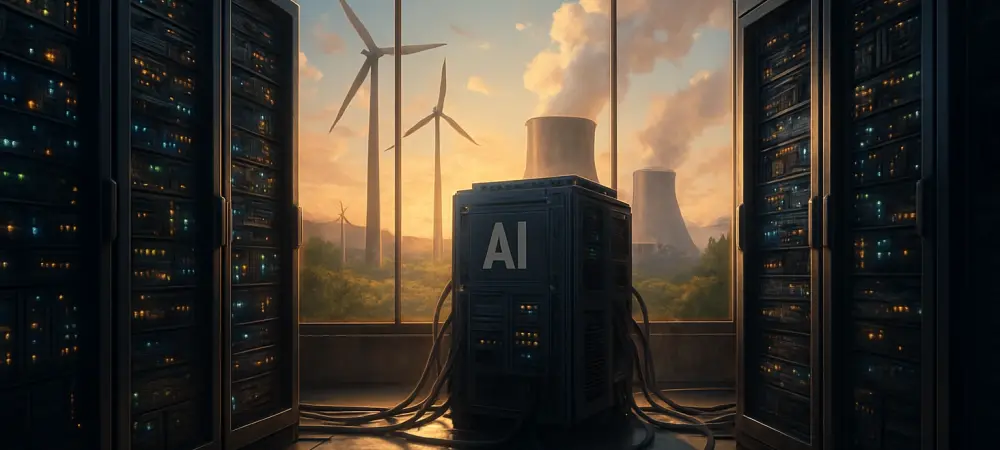
The relentless growth of artificial intelligence (AI) is driving innovations across industries, but it comes with a staggering hidden cost: an unprecedented strain on energy grids worldwide, particularly as hyperscalers—tech giants like Amazon, Google, and Microsoft—operate massive data centers that fuel cutting-edge AI models. These facilities consume electricity on a scale comparable to entire cities. With global data center energy usage projected to surpass 1,000 terawatt-hours by 2026, the question looms: how can energy systems keep up with this insatiable demand? This roundup gathers diverse opinions, tips, and perspectives from industry leaders, utility experts, and policy analysts to explore the impact of hyperscalers on energy grids and uncover potential solutions for a sustainable balance.
The Energy Crunch: Why AI and Hyperscalers Matter
The energy appetite of hyperscale data centers has caught many by surprise, outstripping traditional grid planning models. Industry analysts note that a single facility can draw as much power as a large urban area, with demand spikes in certain regions reaching 15–35% annually, far beyond the expected 1–2% growth. This rapid escalation, driven by AI training workloads, has sparked concern among utility providers struggling to maintain stability.
Beyond raw consumption, the geographic concentration of these data centers adds another layer of complexity. Areas like Northern Virginia, often dubbed “Data Center Alley,” already account for 25% of regional power usage, with projections suggesting a climb to 50% in the coming years. Energy consultants highlight that such localized demand creates bottlenecks, raising the risk of blackouts and forcing tough decisions on infrastructure investment.
The broader implications touch on sustainability and equity as well. Environmental advocates point out that the rush to meet AI energy needs often leads to proposals for new fossil fuel plants, clashing with global decarbonization goals. This tension has ignited a debate on how to align technological progress with planetary health, a theme echoed across various expert discussions.
Diverse Perspectives on Grid Challenges
Power Consumption: A Scale Beyond Imagination
Energy researchers emphasize the sheer magnitude of hyperscaler operations, with some facilities requiring tens of megawatts to support AI computations and cooling systems. This level of usage disrupts conventional utility forecasts, as grids designed for gradual growth cannot accommodate such sudden, intense loads. The consensus is clear: without innovative planning, reliability issues are inevitable.
Utility managers add that the erratic nature of AI workloads—marked by sudden spikes during model training—further complicates grid management. Unlike predictable industrial or residential demand, these fluctuations challenge system balance, often requiring costly backup solutions. Many in the sector call for hyperscalers to share more data on usage patterns to aid in forecasting.
A contrasting view comes from tech industry representatives who argue that hyperscalers are often unfairly singled out. They note that while AI data centers consume significant power, they also drive economic growth and innovation, justifying the need for grid expansion. This perspective urges a collaborative approach rather than placing sole blame on tech giants.
Economic Ripples: Who Bears the Cost?
Policy analysts highlight a growing concern over the financial burden of grid upgrades, which can run into billions of dollars. As utilities invest in new generation and transmission capacity to support hyperscalers, these costs frequently trickle down to consumers through higher electricity rates. Households and small businesses, particularly in data center-heavy states, face disproportionate impacts.
Economic experts delve deeper into the concept of “energy gentrification,” where the benefits of AI advancements accrue to large corporations while the expenses are socialized. In regions with dense data center clusters, localized rate hikes have already sparked public backlash. There’s a shared view that fairer cost distribution mechanisms must be developed to address this imbalance.
On the flip side, some business leaders suggest that hyperscalers contribute positively by funding infrastructure projects and creating jobs. They argue that the economic stimulus from tech hubs can offset rate increases if channeled correctly. This opinion underscores the need for transparent negotiations between tech firms, utilities, and regulators to ensure mutual benefits.
Grid Reliability: A Technical Tightrope
Engineering specialists stress that the high-density, variable power usage of AI operations poses unique risks to grid stability. Sudden demand surges can destabilize systems not built for such volatility, leading to potential outages. The slow pace of grid upgrades—often taking years compared to data centers built in under two—exacerbates this vulnerability.
Regional disparities also play a critical role, as noted by grid operators. Areas with rapid hyperscaler growth face acute challenges, while others remain unaffected. Solutions like load pausing, where AI tasks are delayed during peak demand, are gaining traction as short-term fixes, though long-term planning remains elusive.
A differing angle comes from technology optimists who believe hyperscalers can be part of the solution by investing in smart grid technologies. They point to pilot programs where data centers adjust consumption in real-time to ease grid stress. This viewpoint advocates for integrating tech innovation directly into energy management to mitigate risks.
Resource Competition: AI Versus Other Priorities
Environmental policy experts raise alarms about AI energy demands clashing with other societal goals, such as electrifying transportation or supporting manufacturing revival. With limited grid capacity, prioritizing hyperscalers could delay progress in these areas, creating a tug-of-war over resources. Many urge a broader dialogue on equitable allocation.
Energy strategists also weigh in, noting that global clean energy mandates are at odds with proposals for fossil fuel plants to meet AI needs. They suggest that hyperscalers could lead the way by committing to renewable partnerships, setting an industry standard. This idea reflects a push for corporate responsibility in navigating resource conflicts.
Conversely, some industry voices argue that AI’s transformative potential warrants priority, as it underpins advancements in healthcare, education, and more. They contend that short-term energy trade-offs are necessary for long-term societal gains. This stance highlights the challenge of balancing immediate needs with future benefits in energy planning.
Pathways to Sustainable Coexistence
Energy consultants propose tailored capacity markets for AI loads as a viable solution, allowing hyperscalers to secure long-term grid access while factoring in sustainability metrics like carbon intensity. Such markets could use price signals to encourage efficiency and renewable adoption, aligning diverse stakeholder interests. Regulatory perspectives focus on setting strict benchmarks, such as power usage effectiveness (PUE) ratios of 1.2 for new data centers, to drive energy efficiency. Mandates for transparency in consumption data and clean energy purchase agreements are also gaining support. These measures aim to hold hyperscalers accountable while fostering green innovation.
Practical tips from utility planners include adopting flexible forecasting models to anticipate AI-driven growth and encouraging hyperscalers to invest directly in renewables. Collaborative frameworks, where tech firms and utilities co-develop infrastructure, are seen as a way to share burdens and benefits. This collective approach emerges as a key takeaway from cross-sector discussions.
Reflecting on the Insights Gathered
Looking back, the roundup of opinions revealed a multifaceted challenge where hyperscalers’ AI demands reshape energy grids in profound ways. The dialogue spanned soaring power consumption, economic inequities, grid vulnerabilities, and resource competition, with each perspective adding depth to the issue. While viewpoints varied on prioritization and responsibility, a shared urgency to adapt energy systems stood out.
Moving forward, stakeholders can take actionable steps by advocating for capacity markets and efficiency standards to manage AI loads sustainably. Hyperscalers might consider leading renewable energy initiatives, setting a precedent for corporate accountability. Policymakers, meanwhile, should explore frameworks that balance technological growth with societal equity, ensuring grids remain resilient. Delving into further resources on smart grid technologies and clean energy policies could provide additional tools to navigate this evolving landscape.