

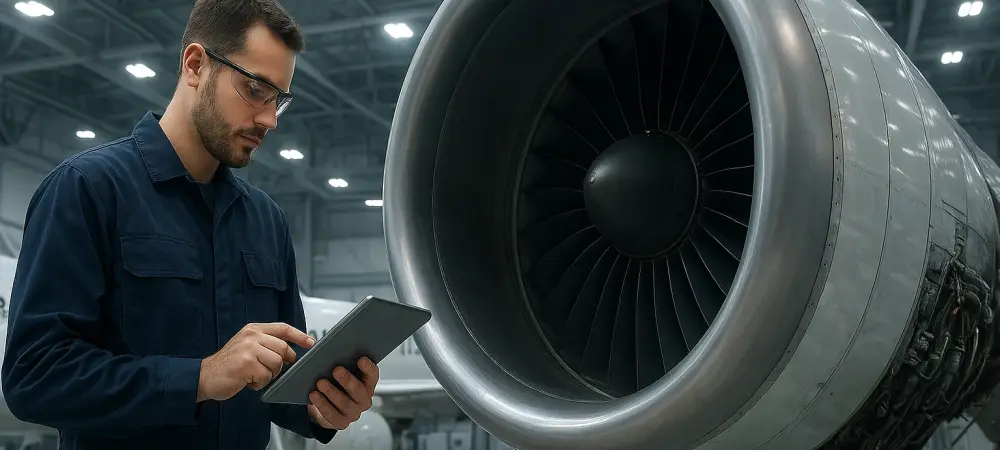
Aviation material costs in 2025 spiked by nearly 200 basis points over original projections, forcing major carriers to find more efficient ways to manage their supply chain logistics. This economic volatility, combined with an increasingly scarce labor pool, has pushed global airlines to move past experimental digital phases into full-scale deployment of intelligent systems. For companies like UPS and Southwest Airlines, the reliance on manual tracking and legacy procurement methods is no longer sustainable in a market where a single delayed component can ground an entire aircraft for days. The current landscape is defined by a paradoxical perfect storm where aging aircraft require more intensive maintenance while newer models struggle with unexpected reliability hurdles. Consequently, the industry is seeing a massive shift toward artificial intelligence as a core operational pillar rather than a supplementary tool. This transition is aimed at preserving flight schedules and stabilizing the bottom line amidst rising global inflation and regional supply chain disruptions.
Navigating the Parts Shortage: AI as a Procurement Engine
Material scarcity has fundamentally altered the maintenance, repair, and overhaul sector, which saw spending exceed $136 billion over the last year. Inflationary pressures and geopolitical instability have driven up the cost of component repairs and engine overhauls by roughly 8%, leaving procurement teams struggling to source essential parts within shrinking budgets. To combat these hurdles, carriers are implementing AI-driven scanning tools that can analyze vast global databases to identify alternative supply sources, including third-party manufacturers. These systems are particularly effective at navigating the complex legal and contractual landscapes associated with aircraft leasing agreements, which often dictate precise standards for part replacement. By automating the search for approved alternatives, airlines can bypass traditional supply chain bottlenecks and keep their fleets operational despite the ongoing shortages of original equipment manufacturer components. This allows for a more fluid and responsive logistics network.
The challenge of maintaining a diverse fleet is exacerbated by the differing needs of older and newer aircraft models currently in service. While legacy planes demand frequent, heavy maintenance that strains the supply of out-of-production parts, newer models are experiencing their own sets of reliability issues that require a constant stream of fresh inventory. AI platforms address this by providing real-time visibility into the secondary market and identifying parts from unconventional vendors that meet rigorous safety standards. This capability allows logistics managers to make informed decisions faster than ever before, reducing the reliance on a single, fragile supply line. Furthermore, these intelligent tools help track the provenance of every part, ensuring that regulatory compliance is maintained even when sourcing becomes difficult. As a result, airlines are finding that digital procurement strategies are the only way to mitigate the 90% impact rate currently observed from global tariffs and unexpected repair costs.
Bridging the Experience Gap: Digital Tools for Knowledge Transfer
The aviation industry is currently grappling with a tribal knowledge crisis as a significant portion of its veteran workforce reaches retirement age. When these senior technicians leave the hangar, they take with them decades of specialized troubleshooting intuition that cannot be easily found in a printed manual. For major carriers like Southwest Airlines, this transition has created a critical efficiency gap where new hires often take up to two years to reach peak performance in diagnosing complex faults. To mitigate this risk, companies are developing generative AI assistants designed to act as digital mentors for the younger generation of mechanics. These tools can instantly retrieve technical data, service bulletins, and historical repair records, providing immediate answers to complicated questions. By placing this wealth of information at a technician’s fingertips, airlines are shortening the learning curve and ensuring that safety standards remain high despite the rapid turnover in the technical workforce.
These AI-powered troubleshooting assistants do more than just provide access to manuals; they analyze patterns in historical maintenance data to identify recurring faults. When a mechanic encounters a recurring issue that has resisted previous repair attempts, the AI can cross-reference the current problem with thousands of past instances to suggest a more effective solution. This proactive guidance prevents redundant work and reduces the volume of maintenance tasks that carry over between shifts, which is a frequent cause of operational delays. By streamlining the diagnostic process, airlines can ensure that aircraft spend less time in the hangar and more time in the air. The goal is to create a seamless transfer of expertise where the collective wisdom of the retiring workforce is preserved within a digital framework. This approach not only empowers individual technicians but also creates a more resilient maintenance organization capable of handling the increasing complexity of modern avionics and propulsion systems.
Modernizing Digital Infrastructure: Foundations for Fleet Management
For artificial intelligence to be truly effective, it requires a unified and accessible data environment, leading many global carriers to prioritize infrastructure modernization. Japan Airlines has spearheaded this movement by transitioning its entire maintenance management system from antiquated on-premises hardware to a robust cloud-based platform. This shift allows the airline to break down the information silos that previously prevented different departments from sharing critical operational data in real time. With a centralized digital foundation, AI algorithms can now monitor the health of the entire fleet simultaneously, identifying potential issues before they escalate into mechanical failures. This transition to a more integrated ecosystem is essential for airlines that wish to move away from reactive repair models toward a more strategic, data-driven approach. By providing decision-makers with a single, clear view of aircraft status and inventory levels, the airline can optimize its global logistics network.
The move toward cloud integration also facilitates a more proactive maintenance strategy known as predictive care, which uses sensor data to forecast when a component is likely to fail. Instead of waiting for a part to break and causing an unscheduled flight cancellation, maintenance teams can use AI insights to schedule repairs during existing downtime. This capability is particularly valuable for managing high-cost assets like jet engines, where unexpected repairs can cost millions of dollars and disrupt the schedules of thousands of passengers. By analyzing real-time performance metrics, these intelligent systems can pinpoint the exact moment a replacement is needed, maximizing the lifespan of every part while maintaining the highest safety standards. This proactive model represents a significant evolution in aviation management, turning maintenance from a necessary burden into a strategic advantage. As more airlines adopt these cloud-native tools, the industry is moving toward a future where operational disruptions are minimized through predictive analytics.
Strategic Evolution: Data Integrity and Future Operations
Despite the clear advantages of AI integration, the path to full implementation is often hindered by significant challenges related to data quality and organizational culture. For any intelligent system to produce accurate predictions, it must have access to clean, structured, and consistent data, yet many airlines still struggle with fragmented maintenance records. Leaders at companies like UPS have emphasized that no amount of advanced technology can compensate for a lack of disciplined data entry and standardized reporting processes. If technicians do not consistently input high-quality information into the system, the resulting AI outputs will be flawed and unreliable. This garbage in, garbage out scenario remains one of the primary reasons why more than half of the organizations in the sector are still stuck in the experimental or proof-of-concept stage. Consequently, the focus for many carriers is not just on software, but on refining internal workflows and ensuring every employee understands the importance of data integrity. The successful adoption of artificial intelligence in aviation maintenance required a fundamental shift in how companies approached both technology and human talent. Industry leaders recognized that the most effective strategies combined human expertise with the processing power of digital assistants, rather than attempting to replace skilled labor entirely. By focusing on actionable solutions like predictive maintenance and AI-driven procurement, carriers established a more resilient supply chain that was better equipped to handle the fluctuations of the global economy. The lessons learned during this period of rapid digital transformation provided a roadmap for future investments in automation and fleet management. Organizations that prioritized clean data and standardized processes found themselves at a significant competitive advantage, as they were able to reduce operational costs while maintaining superior safety records. Moving forward, the industry continued to refine these tools, ensuring that technicians had the support needed to keep the fleet flying.