

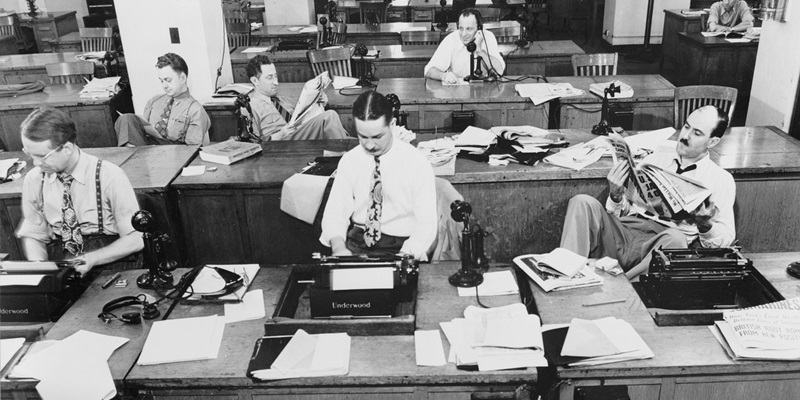
The recent lawsuit between The New York Times, OpenAI, and Microsoft has ignited a debate regarding the relationship between copyright holders and AI companies. This case has far-reaching implications and the potential to set a precedent that will shape the future of copyright laws in the context of AI technologies. In this article, we delve into the various aspects of the lawsuit and its implications for both copyright holders and AI companies.
Implications for copyright holders and AI companies
The outcome of the lawsuit could determine the extent of AI companies’ responsibility for using copyrighted material, raising critical questions about ownership and fair use in the era of AI. Copyright holders may seek stronger protections, while AI companies may argue for more flexible regulations to foster innovation.
The need to update copyright laws to address AI realities
The rapid advancements in AI technology have exposed the limitations of existing copyright laws. To truly address the complex relationship between copyright and AI, legal systems must adapt to keep pace with emerging technologies. This case has highlighted the urgent need for policymakers to modernize copyright laws to reflect the transforming AI landscape.
Potential strategy for AI companies to mitigate legal risks
In light of the legal uncertainties surrounding the use of copyrighted data, AI companies may choose to purchase the necessary data before incorporating it into their models. This proactive approach could help protect them from potential lawsuits and ensure the legality of their AI systems.
Examining the benefits and drawbacks of data acquisition
While purchasing data may seem like a practical solution, it comes with its own set of challenges. The costs associated with acquiring data can be substantial, and the availability of suitable data sets may be limited. AI companies must carefully weigh these factors to determine the most appropriate balance between legality and feasibility.
The impact of the lawsuit on the need for a revision in copyright laws
The New York Times case, along with similar lawsuits, has shed light on the urgent need to update copyright laws to accommodate the realities of AI. Outdated legislation fails to adequately address the unique challenges posed by AI technologies, stifling innovation and creating legal uncertainty.
Challenges in adapting copyright laws to AI technologies
Crafting legislation that strikes a fair balance between protecting copyright owners and promoting AI development presents formidable challenges. Policymakers must grapple with defining fair use, transformative use, and the scope of AI companies’ liability, while also considering the broader societal implications of copyright law revisions.
Exploring the role of fair use and transformative use doctrines in AI company defenses
The fair use doctrine, which allows limited use of copyrighted material without permission, may play a critical role in AI companies’ defense strategies. Demonstrating that their use of copyrighted material falls within the boundaries of fair use is essential to avoid legal repercussions. Similarly, the transformative use doctrine, which allows for the creation of new works using copyrighted content, may offer some protection.
The influence of these legal doctrines on copyright lawsuits
Court interpretations of fair use and transformative use doctrines in AI-related copyright cases will significantly impact the future of AI innovation. Striking a balance between protecting copyright owners’ rights and encouraging the transformative potential of AI is crucial in determining the legality of AI systems and their data usage.
How a major court decision can facilitate the revision of copyright law
A groundbreaking court decision in the ongoing lawsuit could set a legal precedent that would pave the way for comprehensive revisions in copyright laws. Such a decision would provide clarity on the rights and responsibilities of copyright holders and AI companies, thus guiding lawmakers in designing more effective legislation for the future.
Implications for lawmakers in reforming copyright regulation
A significant ruling in The New York Times case would provide a strong impetus for lawmakers to reassess and refine copyright regulations to address the rapidly evolving AI landscape. Aligning copyright laws with AI technologies will safeguard copyright holders’ interests while fostering an environment conducive to innovation and growth.
The potential requirement for AI companies to obtain licenses for their models
In the wake of mounting copyright lawsuits, the necessity for AI companies to obtain licenses for their models could arise. Licensing agreements would ensure that AI companies are legally authorized to use copyrighted data, thereby minimizing the risk of being embroiled in legal disputes.
The implications of licensing in the AI industry
Introducing licensing requirements for AI companies presents both opportunities and challenges. While licensing may provide a streamlined process for acquiring copyrighted data, it may also increase costs and create potential barriers to entry for smaller AI enterprises. Striking a balance between protecting copyright holders’ rights and fostering innovation will be crucial in implementing licensing frameworks.
Considerations for AI companies regarding data usage and potential consequences
AI companies should proactively evaluate the data they use and ensure compliance with copyright regulations. Instituting robust data governance frameworks, clarifying usage rights, and establishing clear guidelines for AI model retraining can help mitigate the potential legal consequences of data misuse.
Addressing the questions raised by The New York Times lawsuit
The lawsuit by The New York Times has raised important legal questions for users of AI systems. Users must consider the legal risk associated with AI models trained on copyrighted data and understand their rights and responsibilities when deploying AI technologies.
Understanding the potential legal risks faced by AI system users
AI system users should be aware of the potential copyright issues that could arise when using AI models. While AI companies may bear primary responsibility, users should exercise due diligence in ensuring the legality of the models they utilize and be prepared to address any copyright concerns that may emerge.
As AI continues to transform various industries, it is crucial for CIOs and other leaders to consider the use cases for AI within their enterprises and the potential legal risks associated with copyright. The ongoing lawsuit between The New York Times, OpenAI, and Microsoft serves as a wake-up call for policymakers, urging them to proactively revise copyright laws to meet the challenges posed by AI technologies. Striking a fair balance between copyright protection and promoting AI innovation is vital for fostering a thriving AI ecosystem in the years to come.