

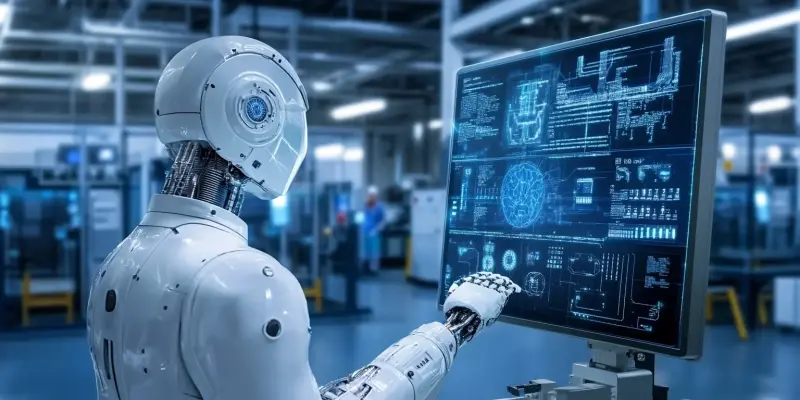
The transformative impact of artificial intelligence on the electronics manufacturing industry has been both profound and far-reaching, revolutionizing various aspects of the manufacturing process. Central to this revolution are the advancements in quality control, supply chain management, production throughput, and maintenance, all driven by AI. These technologies, underlined by the insights of experts like Gautam Nandkishore Nayak, are redefining traditional manufacturing paradigms, offering unprecedented levels of efficiency and reliability.
Enhancing Quality Control
AI-Powered Inspection Systems
The advent of AI-powered inspection systems has brought about significant advancements in the realm of quality control within electronics manufacturing. Leveraging cutting-edge deep learning and computer vision technologies, these systems now achieve a staggering 99.97% accuracy rate in defect detection, markedly surpassing the capabilities of conventional inspection methodologies. This leap in precision has led to a 67.5% decrease in customer returns and a dramatic 78.3% decline in warranty claims, as even the smallest defects are identified in real-time. The high accuracy level of these AI systems not only elevates product quality but also reduces the long-term costs associated with defective products.
Incorporating AI into inspection processes means that manufacturers can detect defects instantaneously and adjust their operations accordingly. The ability to catch discrepancies in real-time has proven to be a game-changer, resulting in a 43% improvement in overall defect prevention. This proactive detection minimizes the extent of rework required and substantially boosts brand reputation and product reliability. By flagging potential issues as they occur, AI-driven quality control systems mitigate the risks of widespread product recalls and ensure consistent delivery of high-quality electronics to the market.
Real-Time Defect Detection
The integration of real-time defect detection systems into the manufacturing workflow has marked a transformative shift in how defects are managed and prevented. AI-driven quality control systems continuously monitor production lines, promptly identifying and addressing issues as they arise. This approach significantly reduces the chances of defective products making it to the end consumer, enhancing brand integrity and customer satisfaction. The result is a notable 43% improvement in defect prevention rates, fostering a culture of excellence within the manufacturing domain.
Optimizing Supply Chain Management
Predictive Models for Material Sourcing
Artificial intelligence has made a profound impact on supply chain management, particularly through the development and implementation of predictive models for material sourcing and inventory control. By harnessing real-time market data and insights, manufacturers have seen an 18.7% reduction in material costs and a 34.2% improvement in supplier reliability. These predictive models allow businesses to optimize their procurement processes by anticipating market fluctuations and adjusting their sourcing strategies accordingly.
AI-Driven Logistics Systems
The implementation of AI-driven logistics systems has revolutionized the logistics component of supply chain management. These systems meticulously optimize delivery schedules, effectively reducing inventory bottlenecks and preventing stock shortages, thereby enhancing overall supply chain efficiency. Consequently, businesses have witnessed a marked improvement in order fulfillment rates, reaching an impressive 99.5%. This high rate of fulfillment ensures that products are available when needed, without the burden of excess storage costs, facilitating a seamless flow of goods from manufacturers to end consumers.
Boosting Production Throughput
Real-Time Decision-Making and Predictive Analytics
AI’s integration into production throughput is revolutionizing manufacturing efficiency through real-time decision-making and predictive analytics. By analyzing large volumes of data instantaneously, AI-driven systems enable continuous monitoring and dynamic adjustment of process parameters. This has led to significant improvements in first-pass yield (FPY) and production throughput, with facilities implementing AI-based automation reporting efficiency gains of up to 35%.
Reducing Cycle Time
The reduction in cycle time has been revolutionary for the manufacturing sector, driven largely by the real-time data processing capabilities of AI systems. Equipped to process data from around 2,300 sensors per production line, AI enables dynamic adjustments, slashing cycle times by an impressive 41.3%. This significant reduction in cycle time correlates with a 32.8% rise in overall equipment effectiveness (OEE) and a 28.4% boost in production throughput, signaling a substantial leap in manufacturing efficiency.
Advancing Predictive Maintenance
Predictive Analytics for Maintenance
Predictive maintenance, empowered by AI, has drastically reduced unexpected machine failures in manufacturing facilities. By leveraging predictive analytics, these systems analyze real-time sensor data to predict potential equipment failures before they occur, resulting in a 52.3% decrease in unplanned downtime. The ability to predict and prevent equipment breakdowns transforms the maintenance landscape by minimizing disruptions and ensuring a continuous production flow. This foresight not only reduces the need for costly emergency repairs but also extends the useful life of machinery.
Extending Machinery Lifespan
Advancements in AI-driven maintenance protocols have significantly extended machinery lifespan and improved operational reliability. Proactive maintenance measures identify wear and tear early, enabling timely interventions that prevent major breakdowns and subsequent production halts. This approach reduces maintenance costs while ensuring that equipment operates at peak efficiency over an extended period.
Future Prospects and Sustainability
Refining Machine Learning Models
Looking to the future, AI-driven manufacturing is poised for further growth, with significant potential for refining machine learning models and integrating more sophisticated automation and robotics technologies. Current trends indicate that medium-sized manufacturing setups adopting AI solutions are already reaping annual savings of up to $5.2 million. These savings highlight the long-term benefits and transformative potential that AI brings to the production landscape.
AI and Sustainability
The transformative influence of artificial intelligence on the electronics manufacturing sector has been both significant and widespread, reshaping various facets of the production process. Central to this transformation are improvements in quality control, supply chain management, production throughput, and maintenance, all driven by AI. These technological advancements, emphasized by industry experts like Gautam Nandkishore Nayak, are redefining traditional manufacturing paradigms, offering unprecedented levels of efficiency and reliability.