

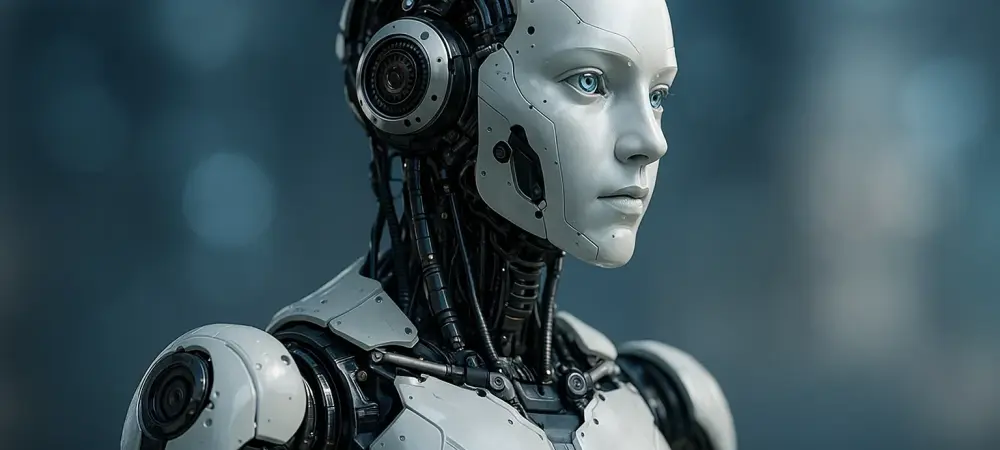
As industries increasingly rely on automation to drive productivity and efficiency, the integration of AI-powered robotics platforms has emerged as a game-changer. The convergence of artificial intelligence and robotics offers transformative potential for sectors ranging from manufacturing to logistics. This development leads to more intelligent machines that can perform complex tasks with heightened precision. Nvidia’s contributions to this field demonstrate pivotal advancements that are shaping the future of robotics technology.
Deep Dive into AI-Powered Robotics Platforms
AI-powered robotics platforms consist of intricate systems, blending hardware and software components to extend human-like capabilities to robots. These platforms typically incorporate core principles such as machine learning algorithms, perception modules, and advanced sensor systems. The journey of these platforms started within the broader AI landscape, rapidly evolving to address specific robotic applications. This evolution highlights the growing significance of AI in augmenting the scope and functionality of robotic systems, making them vital assets for numerous applications. The emergence of AI-powered robotics marks a significant shift in how these technologies are applied across various industries. Incorporating advanced learning models and simulation capabilities, these platforms have broadened the scope of AI in robotics, allowing for more nuanced and sophisticated machine interactions. With innovations continuously redefining boundaries, AI-powered robotics stand at the frontier of technological evolution, poised to transform diverse industrial landscapes.
Core Features and Technologies
Isaac GR00T N1.5: Enhancing Humanoid Robot Reasoning
The Isaac GR00T N1.5 model is a remarkable foundation for humanoid robot reasoning, enhancing the adaptability and decision-making of machines. With a strong focus on cognitive performance, this model empowers robots to execute tasks efficiently, even in complex environments. Available on the Hugging Face platform, its task-following efficiency and instruction processing underscore its importance, particularly in challenges faced in manufacturing sectors.
The performance metrics of Isaac GR00T N1.5 are a testament to its potential in handling intricate operations. By integrating advanced reasoning capabilities, the model significantly advances humanoid robotics, setting benchmarks for functionality in AI systems. This progression not only enhances robotic efficacy but also pushes the boundaries of task execution in demanding industrial scenarios.
Cutting-Edge Robotics Simulation Tools
Isaac Sim 5.0 and Isaac Lab 2.2 are pivotal tools in the realm of robotics, providing essential frameworks for simulation and learning processes. Their introduction has enabled extensive exploration of robotic environments, optimizing how machines learn and interact within simulated realms. These tools boast sophisticated technical features that facilitate detailed training scenarios critical to developing proficient robotic systems.
Access to platforms like GitHub has allowed developers widespread availability of these tools, fostering collaboration and innovation. By streamlining the learning processes through advanced simulations, these tools have revolutionized training paradigms, creating a new standard for robotics development and operational planning.
Safety Systems in Robotics Operations
The integration of the Halos safety system into robotics marks a fundamental shift in ensuring the secure functionality of autonomous machinery. With the achievement of ANSI National Accreditation Board certification, the system exemplifies a comprehensive approach to safety in AI robotics. This integration includes safety extension packages and tools designed to meet stringent safety standards. Halos’ framework facilitates a unified design approach for sensor-to-compute architectures while emphasizing AI safety capabilities. Its robust structure has become essential in addressing crucial safety considerations in autonomous systems, offering a consistent promise of secure operational environments.
Emerging Trends and Recent Advancements
The recent developments presented at Nvidia’s GTC Paris, part of the VivaTech conference, underscore significant shifts in AI robotics. The introduction of new models and tools such as the Isaac series reflects ongoing advancements in enhancing robotics platforms. Trends indicate increased industrial applications and a shift in consumer behavior as businesses leverage these technologies for improved operational efficiency and sustainability. Emerging trends highlight the rising demand for advanced robotic systems that can fulfill industry-specific needs. Nvidia’s role in pioneering such technologies reinforces a trajectory toward more adaptive, efficient, and intelligent robots. These systems aim to resolve current labor market issues while increasing productivity across sectors.
Applications in Real-World Scenarios
AI-powered robotics have found extensive applications across various sectors, including manufacturing and logistics. Companies like Toyota Material Handling and Agile Robots are employing these technologies to drive precision and efficiency in operations. As a result, enterprises are experiencing improved workflows, heightened productivity, and reduced operational redundancies.
The collaboration between industry leaders and technology developers exemplifies the practical applicability of AI robotics in real-world scenarios. Through precise and efficient task execution, these platforms are becoming indispensable tools in multiple sectors, providing a strategic edge in a competitive market.
Addressing Challenges and Ensuring Adoption
Despite remarkable progress, AI-powered robotics face challenges in technical integration, regulatory compliance, and market acceptance. Overcoming technical limitations requires continuous innovation and collaboration among developers. Additionally, meeting regulatory standards necessitates robust safety protocols to ensure consistent and reliable performance.
Efforts to overcome these hurdles are ongoing, with a focus on enhancing technology integration and addressing industry-specific requirements. Through strategic partnerships and investments, stakeholders aim to accelerate the adoption and integration of AI robotics, paving the way for broader deployment across industries.
Toward Future Breakthroughs
Anticipation grows for the future prospects of AI-powered robotics platforms as advancements promise remarkable breakthroughs. Continued innovation is expected to lead to superior adaptive capabilities, further bridging the gap between machine intelligence and human cognition. Potential breakthroughs suggest a transformative impact on industries, offering solutions to pressing challenges and enabling unprecedented levels of automation. The outlook for AI-powered robotics indicates boundless potential, with advancements likely to redefine industry standards and foster new possibilities for growth and innovation.
Comprehensive Understandings and Insights
Reflecting on the advancements and challenges in AI-powered robotics, the review highlights significant insights into the current capabilities and future potential of these platforms. Nvidia stands out as a prominent innovator in this field, driving technological strides that address industry needs while pushing boundaries. Significant investments in research and development will likely shape the trajectory of AI robotics, setting new paradigms for efficiency and sustainability. As technology continues to evolve, industries must adapt to harness the full potential of AI-powered robotics, ensuring they remain at the forefront of innovation and productivity.