

The role of the procurement professional has undergone a radical metamorphosis, moving from a back-office administrative function toward a pivotal position in corporate strategy. Historically, the success of a purchasing department was measured purely by its ability to secure the lowest possible price through manual negotiations and basic spreadsheets. This approach, however, proved insufficient as global networks became more volatile and data volumes exploded. Today, businesses face a landscape where commodity prices fluctuate by the hour and supply disruptions can emerge from anywhere on the globe. Artificial Intelligence has stepped into this vacuum, offering a way to process information at a scale and speed that allows organizations to anticipate market shifts rather than merely reacting to them.
This transformation is not just about efficiency; it is about survival and competitive advantage in an increasingly complex economy. By integrating intelligent technologies, companies can move beyond the limitations of legacy systems that often provide outdated or incomplete information. The objective of this exploration is to understand how these advanced tools allow for better decision-making and how they reshape the fundamental responsibilities of the procurement team. Readers can expect to learn about the specific applications of machine learning, the strategic benefits of automated workflows, and the practical steps required to navigate this technological transition successfully.
Key Questions: The Evolution of Intelligent Procurement
How Does Artificial Intelligence Redefine the Core of Procurement Operations?
Traditional procurement methods often relied on static rules and human intuition, which frequently led to bottlenecks and missed opportunities. In the current environment, Artificial Intelligence serves as the brain of the sourcing lifecycle, integrating machine learning and natural language processing to handle tasks that were once labor-intensive. These systems do not just follow instructions; they learn from every transaction and supplier interaction. This capability allows the department to move away from a reactive stance, where problems are solved after they occur, toward a proactive model that identifies potential inefficiencies before they impact the bottom line.
By shifting the burden of data processing to these intelligent systems, the human workforce is freed from the drudgery of manual data entry and basic invoice matching. Natural language processing, for instance, can scan thousands of pages of legal text to identify specific clauses or anomalies, a task that would take a human team weeks to complete. This shift ensures that the procurement department functions as a strategic powerhouse, utilizing real-time visibility to manage complex supplier networks with a level of accuracy that was previously unimaginable.
In What Ways Does Machine Learning Improve Spend Visibility and Cost Efficiency?
One of the most persistent challenges in large organizations is the presence of fragmented financial data spread across multiple departments and regions. This fragmentation often leads to rogue spending, where employees make unauthorized purchases outside of negotiated contracts, resulting in significant financial leakage. Machine learning algorithms address this by scrutinizing every financial transaction across the entire enterprise to identify patterns and anomalies. By categorizing spending automatically, these tools provide a clear picture of where capital is being deployed, allowing leaders to consolidate orders and negotiate better terms based on the total volume of business.
Moreover, this level of transparency uncovers hidden opportunities for cost optimization that go beyond simple price reductions. AI can identify areas where shifting to a different supplier or changing a shipping route could yield substantial savings. Because the software constantly monitors market conditions and historical performance, it can suggest the optimal time to make a purchase, protecting the budget from sudden price spikes. The cumulative effect of these insights is a more disciplined approach to capital allocation, ensuring that every dollar spent contributes to the overall health of the organization.
Can Advanced Algorithms Effectively Manage Supplier Risks and Reliability?
Modern supply chains are highly susceptible to external shocks, ranging from geopolitical shifts to sudden economic downturns. Selecting a supplier based solely on price is a risky strategy if that partner lacks the resilience to weather a crisis. Artificial Intelligence changes the evaluation process by shifting from subjective assessments to objective, data-driven performance metrics. These systems analyze a vast array of variables, including delivery speed, product quality, and financial stability, to create a comprehensive risk profile for every potential partner.
Furthermore, AI-driven monitoring tools scan global news, weather reports, and economic indicators to identify emerging threats in real time. If a particular region faces political instability or a natural disaster, the system can immediately alert the procurement team and suggest alternative vendors who are already vetted and ready to step in. This proactive risk mitigation ensures that the supply chain remains functional even during periods of intense global volatility. By fostering a culture of accountability and transparency, organizations build stronger, more resilient relationships with their most reliable partners.
Why Is Automation Critical for Modern Contract Management and Compliance?
The legal agreements that govern supplier relationships are often dense, complex, and difficult to manage at scale. Without automated tools, tracking expiration dates, renewal terms, and specific performance clauses becomes a logistical nightmare that often leads to missed deadlines or non-compliance. AI simplifies this entire process by serving as a vigilant monitor of every contractual obligation. It identifies key milestones and alerts the relevant stakeholders well in advance, ensuring that the organization never finds itself in a compromised legal or financial position due to oversight.
Compliance is another area where intelligent automation provides an essential layer of protection. If a supplier fails to meet agreed-upon quality standards or deviates from the terms of a contract, the AI system can flag the discrepancy the moment the data is entered. This immediate feedback loop allows for rapid correction and prevents small issues from escalating into major legal disputes. By maintaining a single version of the truth across all contracts, the procurement department ensures that both the organization and its vendors remain fully aligned with their mutual obligations.
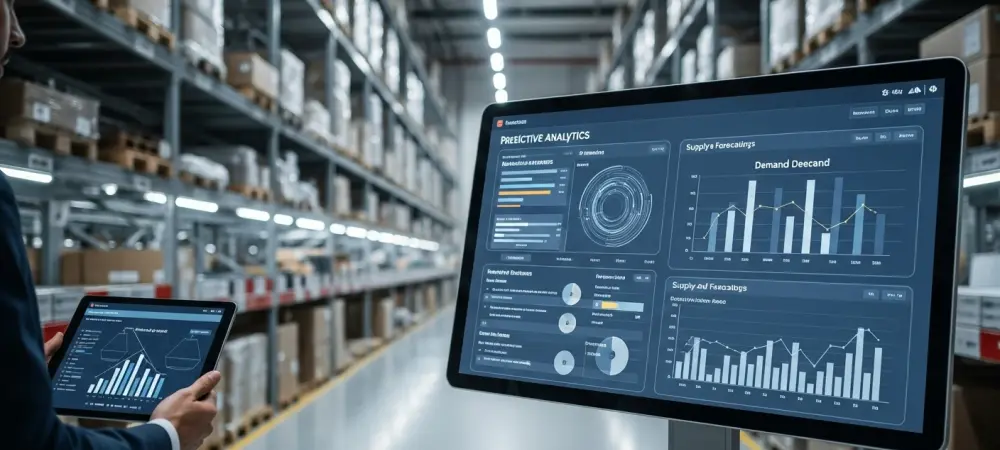
How Does Predictive Analytics Support Demand Forecasting and Inventory Planning?
Inaccurate demand forecasting is a major source of waste, leading either to stockouts that frustrate customers or to excess inventory that ties up valuable capital. Predictive analytics leverages historical sales data, seasonal trends, and current market dynamics to forecast future needs with a high degree of precision. By understanding these patterns, procurement teams can adjust their ordering schedules to ensure that the warehouse remains lean and responsive. This balance is critical for maintaining high service levels while minimizing the costs associated with storage and obsolescence.
The real power of predictive analytics lies in its ability to account for variables that human planners might overlook. For example, the system can correlate an increase in demand with specific external events or promotional activities, allowing for more nuanced inventory strategies. As these models ingest more data over time, their accuracy continues to improve, creating a self-optimizing system that reacts to market changes in near real-time. This level of foresight allows the business to remain agile, ensuring that resources are always available when and where they are most needed.
Summary: A Strategic Recap of the Intelligent Sourcing Landscape
The integration of Artificial Intelligence into the procurement framework represents a fundamental evolution of the modern business. By automating the most tedious aspects of the sourcing lifecycle, organizations achieve a level of operational excellence that drives both efficiency and innovation. The primary takeaways from this transition involve the move toward total spend visibility, the mitigation of complex supplier risks through objective data, and the precision of predictive demand forecasting. These tools do not replace the human element; instead, they empower professionals to make smarter, faster decisions supported by a foundation of empirical evidence.
Maintaining a competitive edge in the current market requires a commitment to this data-driven philosophy. The benefits of AI integration extend far beyond simple cost savings, fostering resilient supplier relationships and ensuring total compliance with legal agreements. As organizations continue to refine their approach, the ability to turn vast amounts of raw data into actionable strategic intelligence becomes the defining characteristic of a successful procurement department. This shift ensures that the function is no longer a cost center but a vital engine of growth and stability for the entire enterprise.
Final Thoughts: Navigating the Path to Technological Maturity
The transition to an AI-powered procurement model required more than just the purchase of new software; it demanded a fundamental shift in organizational culture and data management. Leaders who successfully navigated this change recognized that high-quality data was the essential fuel for any intelligent system. They realized that attempting to automate flawed processes would only lead to faster mistakes, so they prioritized cleaning their historical records and establishing rigorous standards for data integrity. This focus on the foundational elements of the technology ensured that the insights generated by the algorithms were both accurate and actionable.
The most effective strategies involved a phased approach, starting with targeted pilots that addressed specific pain points like spend analysis or contract tracking. These early successes provided the proof of concept necessary to secure broader organizational buy-in and allowed the team to build expertise gradually. By partnering with technical specialists and focusing on the human-machine collaboration, businesses transformed their procurement operations into a proactive force. Looking back, the organizations that moved early to embrace these tools secured a lasting advantage, proving that the future of the supply chain belonged to those who were willing to innovate.