

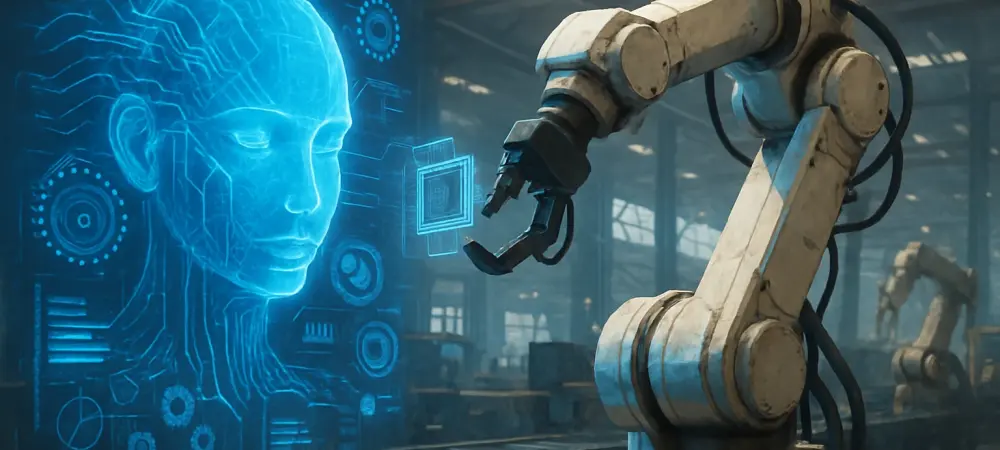
Imagine a factory floor where machines predict their own breakdowns before they happen, where production schedules adjust in real time to supply-chain hiccups, and where quality defects are caught before a product even leaves the line. This isn’t a distant dream but the reality of Artificial Intelligence (AI) reshaping the manufacturing landscape. As industries grapple with rising costs, labor shortages, and the demand for customization, AI has emerged as a game-changer, promising efficiency and resilience. This review dives deep into the core of AI’s role in manufacturing, examining its standout features, real-world performance, and the challenges that temper its transformative potential. The goal is to unpack how this technology is driving competitiveness while looking ahead to its evolving impact on industrial operations.
Core Features and Performance Metrics
At the heart of AI’s appeal in manufacturing lies predictive maintenance, a feature that uses machine learning algorithms to analyze equipment data and forecast failures. By processing historical patterns and real-time sensor inputs, AI can flag potential issues long before they disrupt operations. The result is a significant reduction in unplanned downtime—some systems report up to a 40% drop in maintenance costs. This capability doesn’t just save money; it keeps production humming, ensuring that bottlenecks are minimized in high-stakes environments like automotive or aerospace plants.
Another critical strength is AI’s knack for workflow optimization and automation. Through intelligent scheduling and real-time decision-making, AI streamlines processes like inventory management and quality control. Manufacturers leveraging these tools often see throughput increases of 20% or more, as automated systems adapt to changing conditions without human intervention. Beyond raw numbers, the precision of AI-driven quality inspections—spotting defects with near-perfect accuracy—elevates product standards, a vital edge in competitive markets.
However, performance isn’t just about flashy stats. Scalability and integration matter just as much. Modern AI systems often operate on hybrid edge-cloud models, balancing low-latency decisions at the factory level with robust analytics in the cloud. This setup ensures adaptability across diverse facilities, though it demands robust data governance to maintain consistency. When implemented with clear metrics like Overall Equipment Effectiveness (OEE), AI proves its worth, aligning tech advancements with tangible business outcomes.
Real-World Impact and Applications
Across industries, AI’s practical deployment tells a compelling story of transformation. In automotive manufacturing, predictive maintenance systems have slashed repair times by monitoring machinery health in real time, allowing plants to preemptively address issues during scheduled breaks. A notable case saw a major manufacturer cut downtime by over a third, directly boosting output without additional capital investment. Such examples highlight how AI turns data into actionable insights, keeping production lines agile.
In electronics, AI’s role in quality inspection stands out as a benchmark for precision. By analyzing visual data with deep learning models, systems detect microscopic flaws that human inspectors might miss, ensuring near-zero defect rates. This application not only reduces waste but also builds consumer trust in high-value products. The ripple effect is clear: fewer returns, happier customers, and a stronger bottom line for companies willing to embrace this tech.
Moreover, AI’s influence extends to supply-chain resilience, an area of growing concern amid global disruptions. Tools that forecast demand and optimize inventory have helped manufacturers pivot quickly during raw material shortages, maintaining output under pressure. While not every implementation is flawless—integration with legacy systems can stumble—these real-world wins underscore AI’s capacity to address complex, interconnected challenges in manufacturing ecosystems.
Challenges and Barriers to Adoption
Despite its promise, AI adoption in manufacturing isn’t a seamless journey. Technical hurdles, such as compatibility with aging legacy equipment, often slow progress. Many factories rely on decades-old machinery that struggles to interface with modern AI platforms, requiring costly retrofits or replacements. This gap between old and new creates friction, delaying the full realization of AI’s benefits in environments where every dollar of investment is scrutinized.
Cybersecurity risks also loom large as AI connects operational technology with broader IT networks. The convergence opens vulnerabilities, with potential breaches threatening production data and safety protocols. Without stringent measures like zero-trust frameworks, manufacturers risk costly disruptions or intellectual property theft. Addressing this demands upfront investment in security, a step some hesitate to prioritize over immediate operational gains.
Additionally, workforce dynamics present a subtle but significant challenge. While AI automates repetitive tasks, it doesn’t eliminate the need for skilled labor; instead, it shifts the demand toward data-savvy operators and technicians. Persistent labor shortages compound this, as training programs lag behind tech rollout. Overcoming these human and technical barriers requires a balanced approach, blending robust governance with strategic upskilling to ensure sustainable integration.
Looking Ahead: Future Potential and Trends
Peering into the horizon, AI’s trajectory in manufacturing points toward even bolder innovations. Autonomous production systems, capable of self-managing entire assembly lines, are gaining traction as computational power and sensor tech advance. Such systems could redefine efficiency, minimizing human oversight while maximizing output—a prospect that excites industry leaders aiming for leaner operations over the next few years starting from 2025.
Equally promising is the evolution of advanced data analytics, where AI could unlock deeper insights into cross-facility performance. By breaking down data silos and fostering interoperable ecosystems, manufacturers might anticipate market shifts with unprecedented clarity. This trend toward holistic, data-driven decision-making aligns with broader industry goals of resilience, especially as global supply chains remain unpredictable.
Yet, the societal implications of widespread AI adoption can’t be ignored. As automation deepens, the balance between job displacement and creation will shape workforce policies. Manufacturers will need to invest in reskilling initiatives to maintain trust and stability among employees. How the industry navigates this shift will likely define AI’s long-term legacy, making collaboration between tech providers, policymakers, and labor advocates essential for equitable progress.
Final Thoughts
Reflecting on this exploration, it was evident that AI carved a formidable path in manufacturing, delivering measurable gains in efficiency, cost control, and adaptability across diverse applications. Its ability to predict failures, optimize workflows, and enhance quality left an indelible mark on operational benchmarks. Yet, the journey encountered rough patches—legacy integration, security gaps, and workforce readiness tested the resolve of adopters at every turn.
Moving forward, manufacturers should prioritize aligning AI initiatives with clear business goals, starting with high-impact areas like maintenance or inspection before scaling. Investing in hybrid infrastructure and early cybersecurity measures proved crucial to mitigating risks. Equally vital was a commitment to people—building mixed teams of domain experts and data scientists fostered trust and capability. By tracking performance metrics continuously and embracing open ecosystems, the industry could navigate this transformation with confidence, ensuring AI remained a sustainable driver of innovation and resilience.