

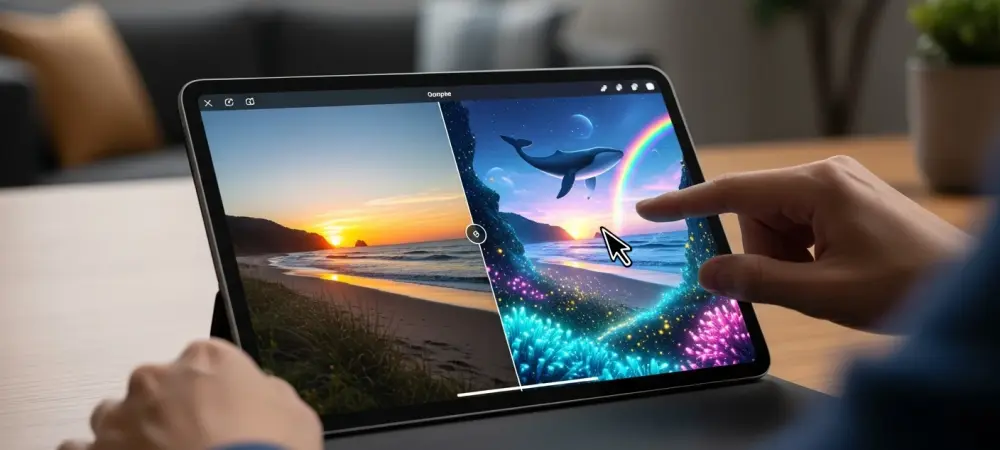
In an era where visual content reigns supreme, the demand for quick, high-quality image editing has never been higher, with businesses and creators producing millions of images daily for e-commerce, social media, and advertising. Yet, achieving professional-grade results often requires extensive skills or costly resources, creating a barrier for many. Enter AI image editing—a transformative technology that promises to bridge this gap by automating complex tasks and empowering users of all levels to craft stunning visuals effortlessly. This review dives deep into the capabilities, trends, and real-world impact of AI-driven image editing tools, exploring how they are reshaping digital design and what lies ahead for this innovative field.
Unpacking the Technology Behind AI Image Editing
AI image editing harnesses cutting-edge advancements in deep learning, neural networks, and computer vision to revolutionize how images are processed and enhanced. At its core, this technology analyzes visual data through layers of recognition—identifying objects, understanding contextual elements like lighting, and applying seamless transformations. Unlike traditional software that demands manual input, AI automates these steps, delivering precise edits in a fraction of the time. The significance of this lies in its ability to make sophisticated editing accessible beyond professional designers. By learning from vast datasets, AI algorithms can replicate human-like decision-making in tasks such as color correction or object removal, often with results that rival expert work. This shift toward automation marks a pivotal moment in digital design, aligning with broader technological trends favoring efficiency and user empowerment.
Key Features That Define AI Image Editing Tools
Automated Enhancement for Effortless Results
One of the standout aspects of AI image editing tools is their intelligent enhancement capabilities, which tackle repetitive and time-consuming tasks with remarkable precision. Features like background removal, lighting adjustments, color balancing, and upscaling low-resolution images are executed automatically, often requiring just a single click. This streamlines workflows significantly, especially for industries reliant on high-volume image production.
Beyond speed, these automated functions ensure consistency in output, a critical factor for branding and professional presentation. For instance, enhancing product photos for online stores becomes a matter of seconds rather than hours, allowing businesses to focus on strategy over technicalities. Such capabilities highlight how AI reduces human error while maintaining a high standard of quality.
Intuitive Design for Broader Accessibility
Another defining trait of these tools is their user-friendly interfaces, crafted to eliminate the steep learning curve associated with traditional editing platforms. With minimalistic layouts and guided prompts, even those without design experience can achieve polished results, democratizing access to professional-grade tools. This accessibility empowers small business owners, content creators, and hobbyists alike.
Moreover, many AI image editors integrate seamlessly with mobile devices and cloud systems, ensuring edits can be made on the go. This adaptability caters to the fast-paced needs of modern users, breaking down barriers that once limited creative expression to trained professionals or expensive software subscriptions.
Cutting-Edge Trends Shaping the Field
The landscape of AI image editing is evolving rapidly, with innovations pushing the boundaries of what’s possible in visual creation. Generative AI, which creates entirely new images from text prompts, stands out as a groundbreaking development, enabling users to manifest concepts without starting from an existing photo. This opens up uncharted territory for artistic exploration and content generation.
Additionally, trends like emotion-based editing—where adjustments reflect specific moods—and integration with 3D modeling and augmented reality are gaining traction. These advancements hint at a future where image editing transcends flat visuals, merging with immersive technologies. Consumer demand for rapid, cost-effective solutions further fuels these shifts, as industries seek tools that keep pace with dynamic digital needs.
Practical Impact Across Diverse Industries
AI image editing has found a firm foothold across multiple sectors, demonstrating its versatility through tailored applications. In e-commerce, it enables rapid enhancement of product visuals, ensuring listings stand out with professional polish. Real estate professionals leverage AI to refine property photos, adjusting elements like sky clarity to attract potential buyers.
In photography and advertising, the technology automates retouching and batch processing, saving countless hours while maintaining creative integrity. Social media marketers benefit from consistent aesthetic filters, crafting cohesive brand identities effortlessly. These use cases underscore AI’s role as a practical ally, enhancing productivity and visual storytelling in tangible ways.
Navigating Challenges and Limitations
Despite its promise, AI image editing is not without hurdles that temper its adoption. A key challenge lies in ensuring edits remain natural and contextually accurate—over-automation can sometimes produce artificial-looking results that lack authenticity. Developers are actively refining algorithms to address this, aiming for greater nuance in output. Ethical concerns also loom large, particularly around the potential misuse of AI to create deceptive or misleading visuals. Balancing automation with user control remains a priority, as over-reliance risks stifling creative input. Ongoing efforts focus on enhancing customization options, ensuring the technology complements rather than dictates artistic vision.
What’s Next for AI Image Editing
Looking ahead, the trajectory of AI image editing points to even deeper integration into creative workflows. Collaborative real-time editing, where teams refine visuals simultaneously across platforms, is poised to transform project dynamics. Personalization through emotion-driven adjustments could further tailor content to audience reactions, amplifying engagement. The convergence with augmented reality and 3D technologies suggests a future of interactive design experiences, where static images evolve into dynamic assets. As these innovations unfold over the coming years, from now through 2027, AI is set to redefine not just how visuals are created, but how they connect with viewers on a profound level.
Final Thoughts on AI Image Editing
Reflecting on this exploration, AI image editing emerges as a powerful force that redefines efficiency and accessibility in digital design, proving its worth across varied applications. Its ability to automate complex tasks while preserving creative space for human input stands out as a defining strength. The technology’s rapid evolution and industry impact leave a lasting impression of its transformative potential. Moving forward, stakeholders should prioritize ethical guidelines to curb misuse, while developers could focus on enhancing user customization to balance automation with artistry. For businesses and creators, adopting AI tools offers a strategic edge, provided they remain vigilant about maintaining authenticity in visuals. As the field advances, staying adaptable to emerging trends becomes essential for harnessing the full scope of this remarkable technology.