

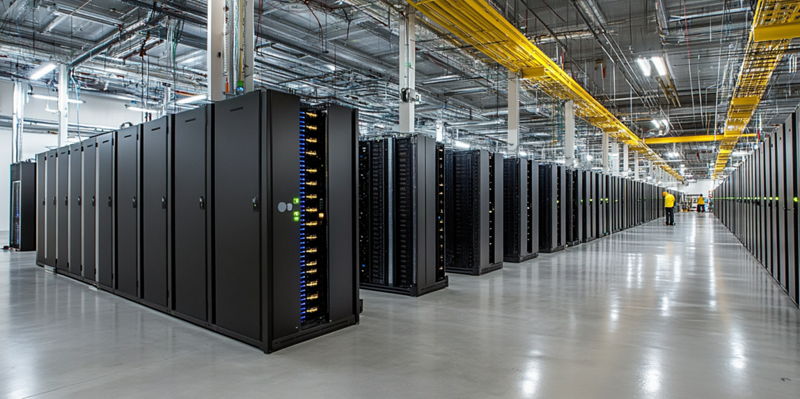
The world of artificial intelligence (AI) is rapidly evolving, driven by breakthroughs in generative AI technologies and soaring computational demands. However, as AI data centers become more sophisticated, they are also encountering unprecedented power challenges expected to become acute by 2027. According to a recent report by Gartner, 40% of global AI data centers could face operational constraints due to escalating power demands. The surge in energy consumption, projected to increase by 160% within the next two years and reach a staggering 500 terawatt-hours annually by 2027, is poised to double the levels observed in 2023. This heightened demand risks overwhelming the capacity expansion capabilities of utility providers, potentially impeding the construction and scalability of generative AI projects by 2026.
Concerns over the growing environmental impact are mounting within the tech sector, particularly regarding the potential increase in greenhouse gas emissions, which could obstruct sustainability goals and corporate social responsibility commitments. The report drew attention to data from IDC, which showed that a standard 1 MW data center consumed 6.6 GWh of electricity in 2023. With increased utilization and higher-density computing, this figure is expected to surge to 16 GWh. The scenario indicates a compound annual growth rate (CAGR) in energy consumption for data centers of 40.5% through 2027. This relentless energy appetite could affect not just AI data centers but the broader energy grid and environmental health.
Strategies for Mitigating Energy Challenges
In an effort to mitigate these energy challenges, significant power users within the AI sector are exploring alternative solutions such as negotiating long-term power sourcing agreements independent of the grid. This strategy aims to secure stable and predictable energy supplies but could create disadvantages for smaller businesses and residential consumers, leading to higher costs and potential grid instability. In addition, the operational costs of maintaining data centers are expected to rise significantly, impacting the pricing and availability of AI and generative AI products and services. As large corporations seek to lock in favorable energy agreements, the ripple effects may exacerbate economic disparities and pose new challenges for smaller industry players.
The risk of unsustainable energy costs is prompting a re-evaluation of how future AI data centers are designed and operated. Greater emphasis is being placed on energy efficiency and the integration of renewable energy sources. Innovations such as liquid cooling systems, which offer enhanced efficiency compared to traditional air cooling, are gaining traction. Furthermore, there is an increasing focus on optimizing computational workloads to ensure that energy consumption aligns more closely with activity levels. These measures, while promising, require substantial investment and a coordinated effort across multiple sectors.
The Broader Implications for Technological Advancements
Artificial intelligence (AI) is rapidly advancing, with significant progress in generative AI technologies and increasing computational needs. However, AI data centers face growing power issues that are expected to become critical by 2027. According to a Gartner report, 40% of global AI data centers may face operational limits due to rising power demands. Energy consumption is expected to increase 160% within the next two years and reach 500 terawatt-hours annually by 2027, doubling the levels of 2023. This growing demand could strain utility providers’ capacity expansion capabilities, potentially hindering the development and scalability of generative AI projects by 2026.
The tech sector is increasingly worried about the environmental impact, especially the potential rise in greenhouse gas emissions that could undermine sustainability goals and corporate social responsibility efforts. A report from IDC revealed that a typical 1 MW data center used 6.6 GWh of electricity in 2023, with usage projected to jump to 16 GWh due to higher-density computing and increased utilization. This indicates a compound annual growth rate in energy consumption for data centers of 40.5% through 2027. This insatiable energy demand could affect not only AI data centers but also the wider energy grid and environmental health.