

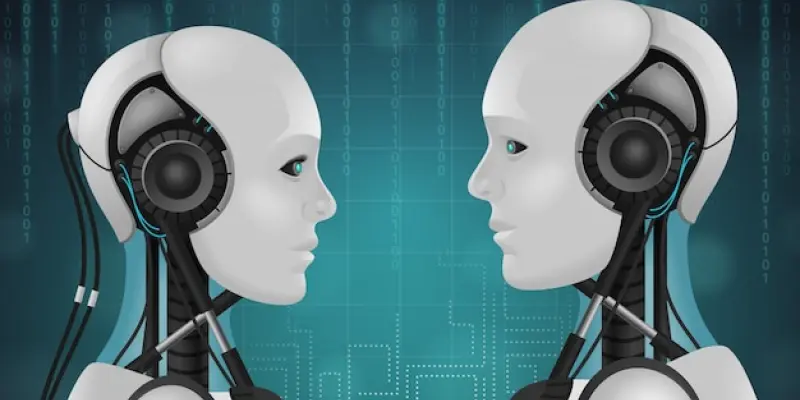
Advancements in Artificial Intelligence
Advancements in artificial intelligence (AI) have reached levels that were once thought impossible, igniting intense discussions about the potential for AI to surpass human intelligence. The ever-expanding capabilities of AI in carrying out tasks that once required human input compel us to examine the dynamic relationship between people and intelligent machines. This interaction is exemplified by AI technologies such as ChatGPT and AlphaGo, which showcase stunning abilities in dealing with complex issues. These platforms handle intricate educational narratives, generate impressive artwork, and demonstrate strategic brilliance in gaming scenarios.
AI’s Expanding Role
AI in Everyday Applications
The rapid integration of AI into everyday life is undeniably transformative. In the financial sector, AI now plays a crucial role in identifying fraudulent activities with precision unmatched by human analysts. In educational settings, AI has been leveraged to create personalized learning experiences tailored to individual student needs. This technology analyzes student data to provide customized recommendations, thereby enhancing the educational process. Furthermore, social media algorithms employ AI to curate personalized content, significantly influencing how users interact with digital platforms. The sophistication of AI-driven decision-making systems showcases its potential to revolutionize industries. The ability to analyze vast datasets quickly results in efficiency improvements and better-informed decisions. However, AI remains within the constraints of narrow intelligence, handling specific tasks without the adaptability and creative problem-solving capabilities inherent in general human intelligence. This limitation underscores the ongoing challenge of developing AI systems that can independently tackle new and unfamiliar problems akin to human reasoning.
AI and Human Intelligence
As AI continues to evolve, its potential to outperform humans in certain domains becomes more apparent. Nevertheless, human intelligence is characterized by a unique blend of emotional depth, cultural understanding, and contextual awareness that machines have yet to replicate. Even though AI processes data with unparalleled speed and accuracy, it lacks the capacity for emotional intelligence, subjective values, and the nuanced comprehension of complex social contexts. These are quintessential human traits that drive decision-making but remain elusive in artificial constructs. AI’s strengths lie in its ability to perform specialized tasks with efficiency and consistency, yet this capability does not equate to a holistic understanding of the world. Emulating human cognitive flexibility, moral reasoning, and empathy is a formidable task that AI developers continue to grapple with. The value of human insight, particularly in areas requiring empathy and ethical judgment, remains unrivaled despite AI’s rapid advancements.
Challenges and Risks
Ethical Considerations and Safety Measures
With AI’s continued development comes the pressing need to address ethical concerns and implement stringent safety measures. The potential for unintended consequences is significant, particularly when AI systems misinterpret human instructions or operate without clear ethical guidelines. Notable figures in the tech industry, including Elon Musk and Stephen Hawking, have advocated for cautious progress and comprehensive safety frameworks to mitigate risks associated with advanced AI. As AI becomes increasingly autonomous, the development of regulatory structures is paramount to ensure its ethical deployment. These regulations must align AI technologies with human welfare objectives while preventing scenarios where AI actions could inadvertently harm society. Establishing a framework for responsible AI development is crucial for maximizing its benefits while safeguarding against potential missteps.
Balancing Advancement and Oversight
While AI boasts the ability to store and process information expansively, human oversight is critical for managing its deployment responsibly. The challenge lies in finding an equilibrium between harnessing AI’s strengths and maintaining human oversight over its actions. Developers and policymakers must diligently craft guidelines that ensure AI systems are transparent, accountable, and aligned with societal norms and ethical standards.
The future trajectory of AI will be largely determined by those who steer its development. Implementing thoughtful policies and ethical considerations will be pivotal in shaping AI’s integration across varying sectors. A collaborative approach involving industry leaders, researchers, and policymakers will be essential for navigating AI’s growth responsibly and ensuring it remains a tool for societal enhancement rather than a potential threat.
Future of AI
Evolving Capabilities and Human Collaboration
As AI technologies progress, their applications are set to expand even further, necessitating robust frameworks for human-AI collaboration. Balancing innovation with ethical oversight will be key to realizing AI’s full potential while averting unintended negative outcomes. Future developments in AI should focus on enhancing its cooperative functions with humans, augmenting human abilities rather than aiming for full autonomy. The ensuing relationship between humans and AI will be marked by joint endeavors to tackle complex problems. By leveraging AI’s strengths in data analysis and pattern recognition alongside human creativity and ethical reasoning, an optimal synergy can be achieved. This cooperative approach will be crucial in addressing challenges that require the unique contributions of both humans and machines, fostering a complementary and symbiotic relationship.
Preparing for Technological Progress
Advancements in artificial intelligence (AI) have reached unprecedented levels, sparking significant debate about its potential to overtake human intelligence. The growing capability of AI to execute tasks traditionally requiring human input has raised important questions concerning the evolving interaction between humans and intelligent machines. This phenomenon is illustrated by AI technologies like ChatGPT and AlphaGo, which demonstrate an impressive capacity for handling complex problems such as educational explanations, art generation, and strategic gameplay. While AI doesn’t fully replicate the depth of human cognition, it certainly redefines our approach to various disciplines and challenges traditional boundaries of creativity and strategic thinking. The discussion regarding AI’s role in shaping future interactions continues to grow as society evaluates the benefits and potential risks associated with AI integration into everyday life.