

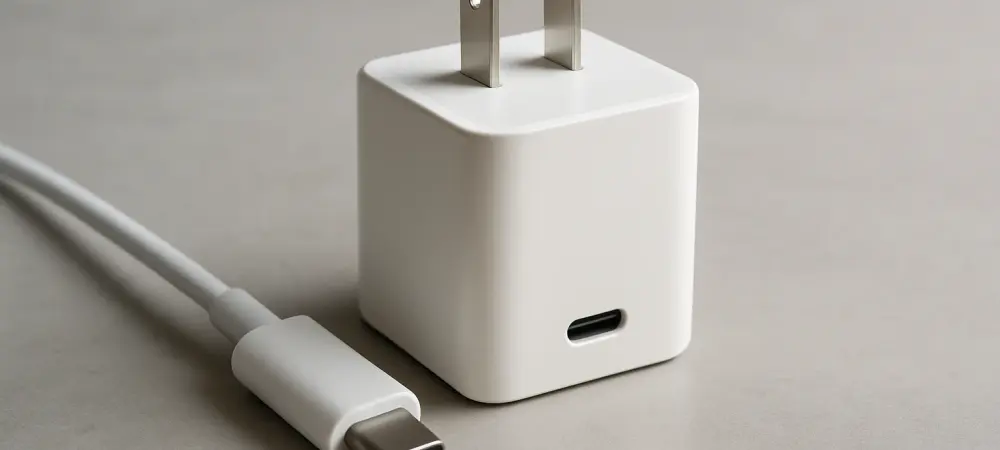
In a world increasingly reliant on mobile technology, where efficiency and quick adaptation are essential, fast-charging solutions have become vital. A key player in this evolving landscape is Baseus, with its Enercore CJ11 fast charger. Offering an impressive 67W fast charging capability, it promises to redefine charging efficiency for devices across the spectrum. This review aims to delve into its features, scrutinize its performance, and consider its implications for future technological developments.
In-Depth Examination of 67W Fast Charging Technology
Fast charging technology is fundamentally about optimizing energy transfer to minimize charging time. It revolves around rapid energy transmission and intelligent power management. As mobile devices proliferate, this technology’s importance grows ever more pronounced, responding to modern demands for speed and reliability. Fast charging now stands essential amid high-paced mobile lifestyles, enabling users to keep devices powered with greater convenience and speed.
Exploring Notable Features of the 67W Fast Charger
High-Efficiency 67W Charging Capacity
The 67W output of the Enercore CJ11 translates directly into reduced charging durations for compatible devices, offering critical efficiency in powering everyday tech. Examining its performance metrics reveals significant reliability, underscoring its position as a practical solution amid competitive fast charging technologies. This output ensures speedy charging times with minimal power wastage, meeting user expectations for efficient device management.
Innovative Retractable Cable Design
The inclusion of a retractable cable enhances the user experience, combining novel design with long-lasting durability. Its built-in nature represents a thoughtful integration, simplifying the charging process while ensuring the cable withstands years of usage. This design choice speaks to an overarching commitment to convenience, offering practicality for users needing streamlined charging operations and reliable cable management.
Versatile Charging Protocol Compatibility
Compatibility with various charging protocols, including QC, PD, SCP, and PPS, broadens its applicability across an extensive range of devices. Multifunctional charging support allows seamless interaction with diverse tech ecosystems, from smartphones to laptops, thus catering to varied consumer needs. This versatility is integral, ensuring comprehensive support and user satisfaction across multiple technology platforms.
Comprehensive Cooling and Safety Measures
A standout feature of the Enercore CJ11 involves its advanced cooling systems and AI-driven temperature control. these innovations maintain device integrity, preventing overheating during charging. Safety measures are paramount, safeguarding both the charger itself and the devices it serves against potential harm. Such systems demonstrate a strong focus on consumer safety, aligning with industry expectations for secure energy management.
Observations on Industry Trends and Innovations
Fast charging innovations are increasingly woven into the fabric of contemporary consumer electronics. A significant trend emerges around universal charging solutions and heightened energy efficiency. As fast charging evolves, its integration into consumer devices is becoming more seamless, with efforts geared toward enhanced adaptability and reduced energy consumption. This reflects a broader shift in technological priorities, aligning with sustainable practices and user-friendly design principles.
Practical Applications of 67W Fast-Charging Development
Industries spanning various sectors are embracing fast-charging techniques in pursuit of expeditious device operation. Real-world uses highlight rapid charge capabilities enhancing productivity, evident in everything from mobile tech to larger instruments requiring swift power-ups. Such examples highlight the tangible benefits and theoretical applications of the technology, showcasing its advantages in practical settings.
Evaluating Challenges and Limitations
Notwithstanding its promising potential, fast charging tech faces notable hurdles, including industry standards and regulatory issues. Adoption barriers remain for consumers accustomed to traditional charging methods due to perceptions of fast charging’s complexity. Addressing these challenges is crucial for broader market absorption, necessitating strategic communication and education to facilitate smooth transitions.
Projected Advancements in Fast Charging Technology
Looking ahead, fast charging technology may present novel developments and industry breakthroughs. As innovation continues to accelerate, potential shifts in mobile technology use and energy consumption patterns are likely to surface. These prospects hint at transformative possibilities in mobile device management, offering the promise of streamlined user experiences and wider environmental benefits.
Summarizing Review and Verdict
Overall, the 67W fast charger stands as a noteworthy advancement, representing potential in reshaping charging technology. Its innovative features, substantial performance metrics, and alignment with industry trends suggest a positive trajectory for future developments. The technology offers a practical blueprint for efficient energy utilization in mobile devices, solidifying its importance in next-generation charging solutions.