

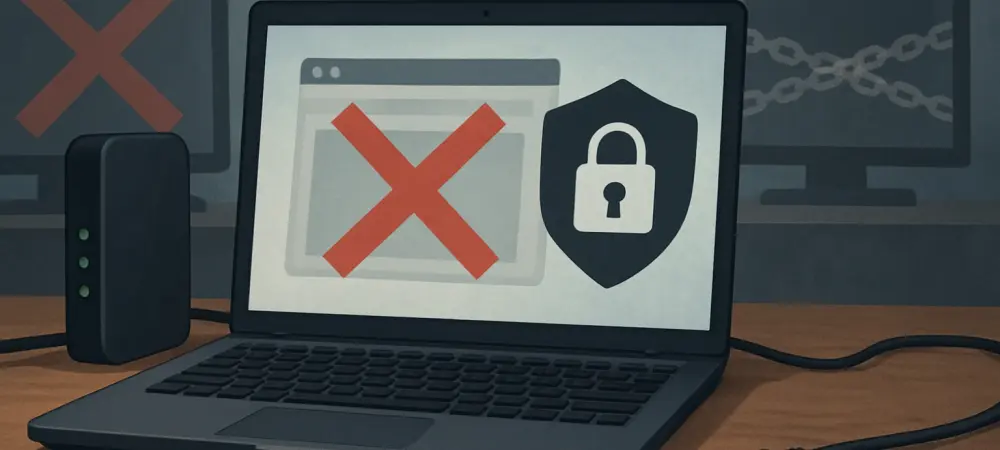
The digital landscape in 2025 paints a grim picture, with a staggering number of internet shutdowns and censorship cases reported across the globe, highlighting a critical decline in online liberties. Over 30 countries have experienced deliberate network disruptions during political unrest this year alone, silencing millions and restricting access to vital information. This alarming trend underscores a broader decline in online freedoms, prompting urgent discussions among privacy advocates, tech experts, and everyday users. This roundup dives into the current state of internet freedom, gathering insights from various industry voices and digital rights groups to highlight the pressing challenges. It also explores affordable Virtual Private Network (VPN) solutions as a practical defense, offering a comprehensive look at how individuals can reclaim their digital autonomy in an increasingly restricted world.
Global Perspectives on Declining Digital Liberties
Political Censorship and Internet Blackouts
Insights from digital rights organizations reveal a sharp rise in internet shutdowns in regions facing political instability, particularly in parts of Africa and Asia. Reports indicate that nations like Tanzania and Cameroon have implemented sweeping blackouts during elections and protests in 2025, effectively cutting off communication for entire populations. Such measures are often framed by authorities as necessary for maintaining order, but activists argue they disproportionately harm vulnerable communities reliant on digital platforms for organizing and sharing news.
A contrasting view emerges from policy analysts who note that while the human cost is undeniable, some governments defend these actions as a response to misinformation and violence incited online. However, data from internet monitoring groups shows that these shutdowns frequently last far longer than any immediate threat, suggesting a deeper intent to suppress dissent. The consensus among advocates leans heavily toward the need for international pressure to curb such practices, as they erode democratic principles.
Technology commentators add another layer, emphasizing the ripple effects on global connectivity. Businesses, education, and emergency services suffer during these blackouts, amplifying the economic and social toll. The discussion highlights a critical gap in global internet governance, with many calling for stricter accountability mechanisms to protect access as a fundamental right.
Regulatory Challenges in Democratic Societies
Turning to Western democracies, opinions from privacy experts point to a subtler but equally concerning trend of regulatory overreach. New laws in 2025, including mandatory age verification for online platforms, have sparked debates over user autonomy and data security. While proponents argue these measures protect minors from harmful content, critics warn that they often require invasive data collection, undermining personal privacy.
Legal scholars offer a balanced perspective, suggesting that while the intent behind such policies may be protective, the execution frequently lacks safeguards against misuse. Examples from recent legislation show platforms being forced to store sensitive user information, raising red flags about potential breaches or government overreach. This has fueled a growing distrust among users who feel their online spaces are shrinking under the guise of safety.
Tech policy forums have also weighed in, noting that these regulations often set a precedent for broader content restrictions. The fear is that what begins as targeted oversight could evolve into widespread censorship, especially as political climates shift. This diversity of thought underscores the delicate balance between regulation and freedom, with no clear consensus on where the line should be drawn.
Escalating Surveillance and Data Monitoring
On the topic of surveillance, cybersecurity specialists highlight a global surge in monitoring practices by both authoritarian regimes and democratic governments. In some regions, internet service providers are mandated to track user behavior, often under the pretext of national security. Industry voices caution that this trend, evident in 2025 data retention laws, blurs the line between protection and intrusion, with little transparency on how collected data is used.
Human rights groups provide a stark counterpoint, arguing that such surveillance disproportionately affects activists, journalists, and marginalized groups who rely on anonymity for safety. They point to specific cases where data control has led to targeted harassment or arrests, illustrating the real-world consequences of unchecked monitoring. The debate often centers on whether security justifications hold up against the erosion of personal freedoms.
Meanwhile, tech ethicists raise questions about the long-term implications of normalized surveillance. With policies expanding from 2025 to 2027, there’s concern that public acceptance of data tracking could pave the way for even more invasive measures. This spectrum of opinions reveals a shared unease about who ultimately benefits from these systems, with many urging stronger encryption tools as a countermeasure.
VPNs as a Critical Defense Mechanism
Across the board, tech reviewers and privacy advocates agree that VPNs stand as a vital shield against digital restrictions. By encrypting data and masking user locations, these tools enable access to blocked content and protect against surveillance. Many experts emphasize that in the hostile online environment of 2025, VPNs are not just optional but essential for maintaining control over one’s digital footprint.
Differing opinions arise when comparing VPNs to alternatives like proxies, with some tech bloggers noting that while proxies offer basic anonymity, they lack the robust encryption VPNs provide. Industry insights stress that this security gap makes VPNs the superior choice, especially in regions with aggressive censorship tactics. The discussion often pivots to the need for user education on selecting reliable services that prioritize privacy.
Looking ahead, innovation in VPN technology garners attention from software developers who predict advancements in bypassing even stricter censorship methods. Speculation includes smarter routing protocols and enhanced encryption standards to combat evolving threats. This forward-looking dialogue reinforces the role of VPNs as a dynamic solution, adapting to the challenges of a restricted internet landscape.
Affordable VPN Options: Expert Picks for 2025
Gathering recommendations from tech review platforms and user feedback, three budget-friendly VPNs emerge as top contenders for navigating the digital challenges of 2025. NordVPN frequently tops lists for its comprehensive privacy features, including a strict no-log policy and advanced encryption options. Reviewers praise its ability to unblock content across multiple regions, making it a go-to for users facing geo-restrictions, while its pricing remains competitive with regular discounts. Proton VPN garners acclaim from digital rights communities for its focus on censorship resistance, particularly through specialized protocols designed to operate in heavily restricted areas. Its Swiss base ensures strong privacy laws, and the availability of a free plan with premium upgrades appeals to cost-conscious users. Feedback highlights its reliability in politically volatile regions, positioning it as a trusted tool for activists and journalists alike. Surfshark rounds out the selection, often cited by budget-focused reviewers for its affordability and all-in-one security bundle. This package includes not only VPN services but also antivirus and data leak protection, addressing a range of online threats. User testimonials frequently mention its value during promotional periods, with many appreciating the unlimited device connections for household use. These varied endorsements collectively offer a toolkit for users to secure their online presence without breaking the bank.
Final Reflections and Next Steps
Reflecting on the discussions from 2025, it becomes evident that internet freedoms face unprecedented threats, from outright censorship to creeping surveillance. Diverse voices, spanning activists to tech reviewers, paint a complex picture of a digital world under siege, yet they converge on the empowering role of VPNs as a practical response. The insights gathered underscore a shared urgency to protect online rights against mounting restrictions.
Moving forward, individuals are encouraged to explore the recommended VPN options—NordVPN, Proton VPN, and Surfshark—based on specific needs like unblocking content or maximizing privacy on a budget. Beyond adoption, staying informed about evolving digital policies and supporting advocacy for open internet access emerges as crucial steps. Engaging with communities focused on digital rights can amplify collective efforts, ensuring that the fight for a free internet continues to gain momentum in the years ahead.