

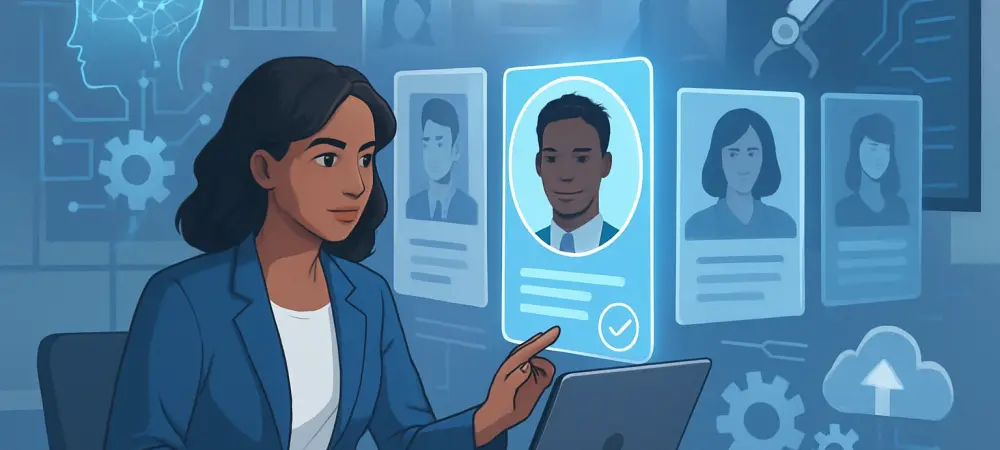
Short introductionToday, we’re thrilled to sit down with Ling-Yi Tsai, a seasoned HRTech expert with decades of experience helping organizations transform through technology. Specializing in HR analytics tools and the integration of tech in recruitment, onboarding, and talent management, Ling-Yi has a deep understanding of how hiring practices impact employee retention and organizational success. In this conversation, we dive into the growing disconnect between traditional hiring methods and modern workforce needs, the power of hiring for potential, the importance of performance enablement, and the untapped potential of internal mobility. Let’s explore how reimagining talent strategies can address today’s retention challenges.
How do you see the current trend of workers planning to switch jobs reflecting deeper issues in the workplace?
I think it’s a clear sign of a disconnect between what employees need and what many organizations are offering. Reports like Monster’s 2025 Work Watch Report show over 90% of workers are looking to move, and that’s not just restlessness. It often comes down to feeling undervalued or misaligned with their roles. A lot of this stems from hiring practices that prioritize the wrong things—like specific past experience over cultural fit or growth potential. When people are placed in roles based on outdated criteria, they struggle to connect with the work, and that frustration pushes them to look elsewhere.
Why do you think so many companies still cling to traditional hiring methods like focusing on resumes and degrees?
It’s largely about comfort and habit. Resumes, job titles, and degrees are tangible, easy to measure, and have been the standard for decades. They give a sense of security to hiring managers who want to minimize risk. But the problem is, these metrics don’t always translate to success in a specific role. They’re a snapshot of history, not a predictor of future performance or alignment with company values. Many organizations haven’t yet invested in the tools or training to assess skills and potential in a more meaningful way, so they fall back on what’s familiar.
What are some of the downsides of sticking to these old-school hiring approaches?
The biggest downside is that you miss out on incredible talent. When you focus on pedigree or specific past roles, you’re often excluding people who could excel with the right support. It also perpetuates a lack of diversity—both in background and thought—because you’re likely to hire people who fit a narrow mold. Plus, it sets up a cycle of disengagement. If someone’s hired based on a checklist rather than their fit for the role, they’re more likely to struggle, feel unfulfilled, and eventually leave, which costs the company time and resources.
In your experience, how does unconscious bias in hiring impact the talent pool?
Unconscious bias is a huge barrier. I’ve seen leaders gravitate toward candidates who mirror their own backgrounds or career paths because it feels “safe” or familiar. But this limits the talent pool dramatically. It creates teams that lack diverse perspectives, which are critical for innovation and problem-solving. When you keep hiring the same type of person, you’re not just missing out on fresh ideas—you’re also sending a message to others that they don’t belong, which can hurt morale and retention across the board.
How can organizations start to minimize bias in their hiring processes?
It starts with awareness and structure. Training hiring managers to recognize their own biases is key, but it’s not enough on its own. Companies need to implement standardized processes—like blind resume reviews or structured interviews with consistent questions for all candidates. Involving diverse panels in hiring decisions can also help balance perspectives. And leveraging technology, like AI tools that focus on skills rather than keywords, can reduce human bias in the initial screening stages. It’s about creating a system where decisions are based on merit and potential, not gut feelings or familiarity.
What does hiring for potential mean to you, and why is it so important?
Hiring for potential is about looking beyond what someone has already done and focusing on what they’re capable of doing with the right environment and support. It means assessing their adaptability, mindset, and willingness to learn rather than just their past achievements. This approach is crucial because it widens the talent pool and brings in people who might not check every box but have the drive to grow into the role. It’s especially important in fast-changing industries where past experience can become obsolete quickly.
What kind of support do employees hired for potential need to thrive once they’re on board?
They need a clear roadmap from day one. That means a robust onboarding process that goes beyond paperwork to immerse them in the company’s mission, values, and ways of working. Regular check-ins and feedback are vital to help them adjust and grow. Mentorship programs can provide guidance, and access to upskilling opportunities ensures they’re building the skills needed for the role. It’s about creating an environment where they feel supported to take risks and learn, rather than being left to sink or swim.
How does performance enablement differ from traditional performance management in practice?
Traditional performance management often feels like a box-checking exercise—annual reviews, ratings, and goals that can seem detached from day-to-day work. Performance enablement, on the other hand, is proactive and ongoing. It’s about equipping employees with the tools, clarity, and feedback they need to succeed in real time. For example, it involves regular one-on-ones to discuss progress, challenges, and development, rather than waiting for a yearly evaluation. It’s a shift from judging performance to actively fostering it, which builds trust and engagement.
Why do you think internal mobility is often overlooked as a retention strategy?
A lot of it comes down to a lack of structure and visibility. Many companies don’t have clear processes for internal movement, so employees aren’t even aware of opportunities. Managers might also hoard talent, reluctant to let go of good team members, or there’s a cultural bias toward external hires as “fresh blood.” But this oversight is a missed opportunity. Internal candidates already know the organization, which cuts onboarding time and boosts morale when employees see a path forward. Without intentional effort, though, it just doesn’t happen.
What’s your forecast for the future of hiring practices and retention strategies in the coming years?
I believe we’re heading toward a more skills-focused and tech-driven approach to hiring. Tools like HR analytics and AI will play a bigger role in identifying potential and reducing bias, helping companies match candidates to roles based on real capabilities rather than credentials. Retention strategies will also shift toward personalization—tailoring development paths, feedback, and benefits to individual needs. Organizations that invest in internal mobility and performance enablement will stand out as employers of choice, because employees will feel seen and supported. The future is about building workplaces where people can grow, not just fill a spot.