

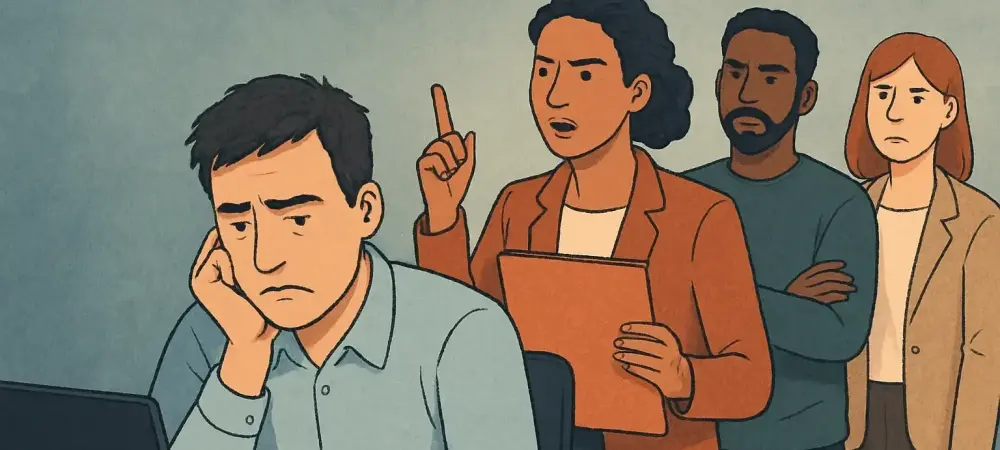
What happens when the corporate ladder, long a symbol of ambition, becomes a structure many employees would rather walk past than climb? In today’s workforce, a growing number of workers are rejecting promotions and leadership roles, opting instead for balance and autonomy over titles and responsibility. This quiet shift is sending ripples through organizations, challenging traditional notions of success and leaving HR professionals scrambling to redefine career paths. The phenomenon, often called “conscious unbossing,” raises urgent questions about the future of leadership and how companies can adapt to a changing mindset.
The Hidden Crisis in Leadership
The reluctance to step into supervisory roles has caught many organizations off guard, creating a subtle but significant gap in the talent pipeline. Employees are increasingly vocal about their desire to avoid the stress and demands that often accompany management positions, prioritizing personal well-being over professional advancement. This trend isn’t just a passing phase; it’s a fundamental change in how success is perceived, with implications for workforce planning and organizational stability. If left unaddressed, this aversion to leadership risks leaving companies without the next generation of decision-makers.
Statistics paint a stark picture of this shift. Recent studies suggest that nearly 40% of employees offered promotions decline them, citing concerns over mental health and work-life balance. This growing hesitance is particularly pronounced among younger workers, though it spans across demographics, reflecting a broader cultural reevaluation of what a fulfilling career looks like. For HR, the challenge lies in understanding this mindset and crafting strategies that align with these evolving values while ensuring leadership roles remain viable.
A New Mindset Reshaping the Workplace
At the heart of this trend is a profound transformation in employee priorities, where mental health and flexibility often outweigh the allure of a corner office. Younger generations, such as Gen Z, are leading the charge, questioning hierarchical structures and seeking roles that offer meaning over mere status. Yet, this isn’t solely a youth-driven movement—seasoned professionals, too, are stepping back after experiencing the toll of management, opting for paths that allow greater control over their time and energy.
The rise of remote and hybrid work models has further fueled this desire for autonomy. Employees who have tasted the freedom of flexible schedules are often unwilling to sacrifice it for roles that demand constant availability or rigid structures. This shift poses a dual challenge for organizations: retaining talent who might otherwise leave for more accommodating environments and filling leadership positions that are increasingly seen as unappealing. Understanding these changing expectations is crucial for HR to bridge the gap between individual needs and company goals.
Digging Deeper into Leadership Reluctance
Several intertwined factors contribute to this growing aversion to management roles, each highlighting a disconnect between traditional career trajectories and modern workforce needs. One key issue is the high stress and limited rewards tied to supervisory positions, where increased responsibility often comes with minimal pay increases and intense pressure to deliver results under tight budgets. This imbalance makes the role feel more like a burden than a step forward.
Cultural and generational dynamics also play a significant part. While younger workers often express skepticism toward rigid hierarchies, shaped by unique challenges like navigating a post-pandemic world and rapid technological change, older employees are opting out after years of burnout in demanding roles. Additionally, the mismatch between individual contributor skills and leadership demands frustrates many who are pushed into management without proper preparation or genuine interest, further dimming the appeal of such positions.
Insights from the Trenches
Experts in the field offer compelling perspectives on this unfolding trend, shedding light on its root causes and potential solutions. Jennifer Dulski, CEO of a team development platform, notes that managerial training often focuses on executives, leaving frontline supervisors without practical tools to handle their unique challenges, resulting in feelings of isolation. This gap in support is a critical barrier that organizations must address to make leadership roles more sustainable.
Jenny Shiers, a chief people officer, challenges the long-standing notion that success must equate to management, emphasizing that exceptional individual contributors don’t always translate into effective leaders. Meanwhile, real-world stories echo these insights—a veteran employee might decline a promotion after seeing a colleague crumble under managerial stress, while a young professional might prioritize freelance-style flexibility over a traditional title. These narratives underline the urgent need for a redefined approach to career growth that resonates with today’s workforce.
HR’s Roadmap to Revitalize Leadership
To navigate this evolving landscape, HR must adopt innovative strategies that reframe leadership as an appealing and purposeful choice rather than an obligatory step. One approach is to broaden the definition of career progression by creating parallel tracks for subject matter experts and valuing lateral moves as much as vertical ones. This shift ensures that employees can achieve recognition and rewards without being funneled into unwanted management roles.
Another vital strategy involves bolstering support for managers through modern, time-efficient tools that alleviate the overwhelm often associated with leadership. Tailored development programs that align with individual strengths, alongside cultures that prioritize collaboration over strict hierarchies, can also make these positions more attractive. Finally, normalizing the choice to opt out of traditional leadership—whether through mentorship or project-based roles—empowers employees to contribute in ways that suit their priorities, fostering a more inclusive and motivated workforce.
Reflecting on a Path Forward
Looking back, the journey through this leadership reluctance revealed a workforce in transformation, yearning for paths that honor personal values over outdated norms. HR professionals grappled with the challenge of filling critical roles while adapting to a cultural shift that redefined ambition. The insights from industry leaders and real stories from employees painted a clear picture: leadership needed reinvention, not rejection. The next steps for organizations involve embracing flexibility in career trajectories, ensuring robust support for those who choose to lead, and fostering environments where diverse contributions are equally celebrated. By focusing on purposeful leadership and empowering employees to define success on their terms, companies can build a future where stepping into management becomes a choice driven by passion, not pressure. This evolution promises not just to fill leadership gaps but to cultivate a more engaged and resilient workforce for the challenges ahead.