

Welcome to an insightful conversation with Ling-Yi Tsai, a renowned HRTech expert with decades of experience in transforming organizational processes through innovative technology. With a deep focus on HR analytics and the seamless integration of tech solutions in recruitment, onboarding, and talent management, Ling-Yi has a unique perspective on how payroll systems are evolving to meet modern workforce needs. Today, we’ll explore the shift toward prepaid payroll solutions, the inefficiencies of traditional methods, and the transformative benefits for both businesses and employees in a rapidly changing economic landscape.
How has the changing nature of work, like the rise of the gig economy, influenced the move toward prepaid payroll solutions?
The gig economy has fundamentally reshaped expectations around payment. Workers today, especially freelancers and gig workers like ride-share drivers, often don’t adhere to the traditional 9-to-5 schedule or biweekly pay cycles. They want immediate access to their earnings to manage cash flow and meet daily needs. Prepaid payroll solutions cater to this demand by enabling instant payouts, which aligns with the on-demand nature of modern work. It’s not just a convenience; it’s becoming a competitive necessity for employers to attract and retain talent in these flexible work environments.
What are some of the key challenges with traditional payroll methods that have made prepaid solutions more appealing?
Traditional payroll, especially paper checks, comes with a host of inefficiencies. For businesses, the process is labor-intensive—printing, distributing, and reconciling checks takes time and resources. There’s also a higher risk of errors and fraud. For employees, particularly those without easy access to banking services, cashing a check can mean delays and extra fees. Prepaid solutions eliminate these hurdles by digitizing payments, reducing administrative overhead, and ensuring workers can access their money without barriers.
Can you walk us through the hidden costs and burdens that paper checks impose on businesses?
Absolutely. Paper checks might seem straightforward, but they’re a costly relic. Beyond the obvious expenses of paper and printing, there’s the time spent on manual processing—think of payroll staff handling distribution and reconciliation. Then you’ve got the risk of lost or stolen checks, which can lead to fraud prevention costs and reissuing fees. It’s a slow, error-prone system that diverts resources from more strategic tasks, ultimately impacting a company’s bottom line far more than many realize.
How do prepaid payroll cards streamline operations and improve efficiency for businesses?
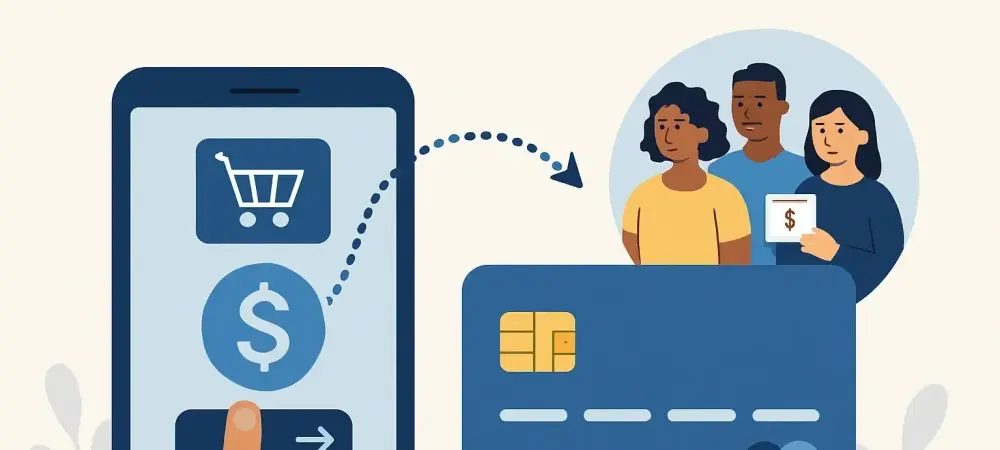
Prepaid cards are a game-changer for payroll efficiency. They cut down processing time dramatically since there’s no need for printing or mailing checks—payments are loaded electronically and instantly. This also reduces errors that come with manual entry or lost paperwork. Plus, businesses can track transactions in real-time, simplifying audits and reporting. The shift to digital payments frees up payroll teams to focus on higher-value work rather than getting bogged down in administrative minutiae.
In what ways do prepaid cards empower employees by providing faster access to their earnings?
Prepaid cards give employees immediate access to their wages, often right after a shift, which is a huge relief for those living paycheck to paycheck. This instant access reduces financial stress by allowing workers to pay bills or cover unexpected expenses without waiting for a traditional payday. It’s especially empowering for gig workers who rely on frequent, smaller payments rather than a lump sum. It puts them in the driver’s seat of their finances, offering flexibility that traditional pay cycles just can’t match.
How do prepaid cards simplify the often cumbersome process of managing employee expenses?
Managing expenses the old way—through receipts, expense reports, and manual reimbursements—is a nightmare for both employees and payroll teams. It’s time-consuming and ripe for errors or even fraud. Prepaid cards change the game by allocating specific funds for expenses directly to employees. Transactions are tracked electronically, so there’s no need for paper receipts or lengthy approval processes. This setup not only saves time but also offers transparency, letting both employees and employers monitor spending in real-time.
What are some of the hurdles companies might face when transitioning to prepaid payroll solutions, and how can they address them?
Transitioning to prepaid cards isn’t without challenges. Some employees might be skeptical about digital payments or worry about fees associated with the cards. There’s also the task of integrating new systems with existing payroll software, which can be a logistical hurdle. The key is education—companies need to clearly communicate the benefits, like instant access and reduced hassle, while addressing concerns upfront. Offering training sessions or one-on-one support can ease the transition, as can partnering with providers who ensure low or no-cost options for employees.
What is your forecast for the future of payroll innovation, especially regarding digital solutions like prepaid cards?
I believe we’re just at the tip of the iceberg with payroll innovation. Digital solutions like prepaid cards will continue to dominate as businesses and workers alike demand speed, flexibility, and security in payments. We’ll likely see even more integration with mobile apps and financial wellness tools, allowing employees to manage savings or budgets directly from their payroll platform. As technology advances, I expect payroll to become not just a transactional process but a strategic tool for enhancing employee satisfaction and driving organizational success.