

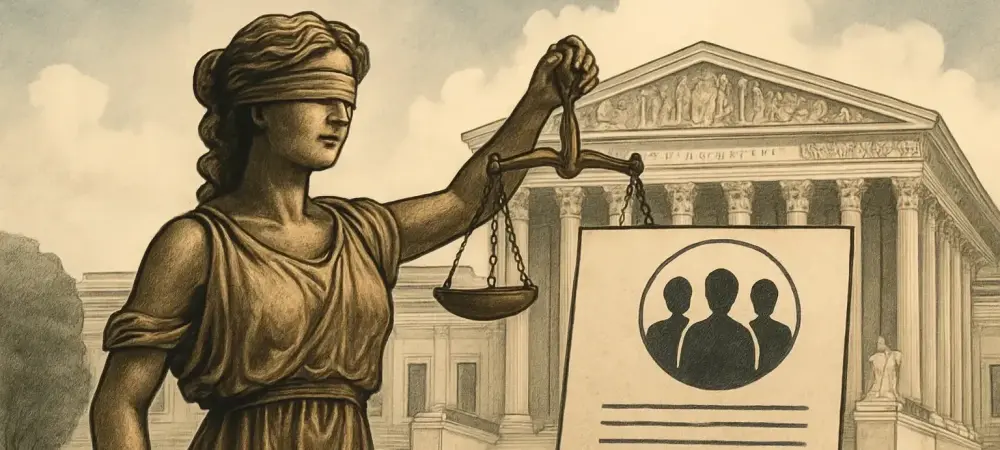
What happens when a handful of judges can reshape the rules governing every workplace in America? As the U.S. Supreme Court begins its latest term in 2025, human resources professionals across the nation are on edge, anticipating decisions that could redefine how companies manage everything from employee benefits to discrimination claims. With a docket packed with high-stakes cases, the potential for sweeping changes looms large, promising to impact employers and employees in profound ways. This isn’t just about legal theory—it’s about the day-to-day realities of running a business and ensuring fair treatment in the workplace.
The significance of this term cannot be overstated. Rulings expected over the next few months could alter the balance of power between federal agencies and the executive branch, shift financial burdens for retirement plans, and redefine protections for religious and disability accommodations. For HR leaders, these decisions are not distant abstractions but urgent challenges that demand preparation and adaptability. Staying ahead of these potential changes is no longer optional; it’s a necessity for compliance and stability in an already complex regulatory environment.
Why This Term Could Transform Workplace Policies
The Supreme Court’s influence on employment law has never been more critical. Each decision handed down from the bench sends ripples through corporate policies, often requiring immediate adjustments to everything from hiring practices to benefit structures. Cases on this term’s docket tackle issues at the heart of HR responsibilities, promising to either clarify long-standing ambiguities or introduce new uncertainties that could complicate compliance efforts.
Consider the historical impact of past rulings. A landmark decision just a few years ago expanded protections for LGBTQ+ employees under Title VII, fundamentally altering how companies address discrimination. This precedent demonstrates the Court’s power to reshape workplace norms overnight, a power that is once again in play as justices prepare to rule on matters affecting millions of workers and thousands of businesses.
The current term stands out due to the sheer breadth of issues under consideration. From disputes over pension liabilities to challenges against state mandates, the outcomes could set new legal standards that HR departments must navigate. This isn’t merely about keeping up with the law; it’s about anticipating shifts that could redefine the employer-employee relationship in unexpected ways.
High-Stakes Cases Poised to Impact HR
Among the most pressing matters before the Court is a case challenging a long-standing precedent that limits presidential control over certain federal agency officials. If overturned, this could grant the executive branch greater authority over bodies like the Equal Employment Opportunity Commission (EEOC) and the National Labor Relations Board (NLRB), potentially leading to sudden policy reversals. Such a shift might create a volatile regulatory landscape, forcing HR teams to adapt to fluctuating guidelines on issues like harassment and union activities.
Another critical case focuses on how withdrawal liabilities are calculated for multiemployer pension plans under the Employee Retirement Income Security Act (ERISA). A ruling here could either saddle employers with unforeseen costs or jeopardize employee retirement benefits, a concern raised by advocacy groups warning of diminished security for workers. The financial implications alone make this a case to watch closely for anyone managing benefits programs.
Additional petitions under review could further complicate the HR landscape. One seeks to determine whether local delivery drivers are exempt from arbitration agreements, building on recent rulings and potentially reshaping dispute resolution in key sectors. Meanwhile, a challenge to state vaccine mandates without religious exemptions tests the boundaries of Title VII protections, raising questions about balancing state authority with federal employment laws. Each case carries distinct ramifications, demanding vigilance from those tasked with ensuring legal compliance.
Expert Voices on the Unfolding Legal Drama
Legal analysts are already weighing in on the potential fallout from these cases. Kaitlyn Grajek, an attorney with Stradley Ronon, cautions that expanded executive control over agencies could trigger “swift policy changes, leaving employers vulnerable to a wave of employee claims amid regulatory instability.” Her warning highlights a broader anxiety among professionals about the politicization of workplace rules and the challenges of keeping pace with abrupt shifts.
Beyond legal perspectives, employers with direct stakes in these disputes offer sobering insights. A human resources director from a company tied to a multiemployer pension plan recounted the devastating impact of a past withdrawal liability, costing millions in unexpected expenses. With a pivotal ERISA case on the docket, similar risks could either be mitigated or magnified, depending on the justices’ ruling, underscoring the tangible consequences of these legal battles.
These expert and firsthand accounts paint a picture of uncertainty that transcends courtroom arguments. For HR leaders, the stakes involve not just interpreting new laws but managing real-world impacts on budgets, employee morale, and organizational stability. The consensus among observers is clear: preparation for multiple outcomes is essential to weather the potential storm of change.
Practical Strategies for HR Readiness
Amid the unpredictability of pending rulings, proactive measures can help HR departments brace for impact. A starting point is to scrutinize policies tied to federal agency guidance, such as anti-discrimination training or union engagement rules, and draft contingency plans for rapid regulatory adjustments. This approach ensures flexibility if executive authority over agencies like the EEOC expands, altering long-standing practices.
Financial preparedness is equally crucial, particularly with pension liabilities in question. Collaborating with legal and financial advisors to assess exposure under ERISA can safeguard against surprises stemming from potential rulings on withdrawal calculations. Similarly, revisiting arbitration clauses in employee contracts can preempt complications if exemptions are redefined, ensuring dispute resolution mechanisms remain enforceable and effective.
Strengthening protocols for accommodations, whether for religious beliefs or disabilities, is another vital step. Documenting requests and responses meticulously can position companies to comply with new standards that might emerge from cases challenging state mandates or expanding protections. Finally, designating a team to monitor Supreme Court updates ensures timely responses, keeping organizations agile as decisions unfold over the coming months.
Reflecting on a Term of Transformation
Looking back, the Supreme Court’s term in 2025 proved to be a defining chapter for employment law, with each ruling leaving an indelible mark on how workplaces operated. The decisions handed down challenged HR professionals to rethink strategies, adapt to new legal realities, and balance competing obligations with unprecedented urgency. Those who anticipated change and acted decisively found themselves better equipped to navigate the shifting terrain.
As the dust settled, the path forward became clearer through collaboration and continuous learning. HR leaders who engaged with legal counsel, stayed updated on judicial outcomes, and prioritized employee communication emerged stronger from the turbulence. The lesson was evident: in an era of legal evolution, proactive adaptation remained the cornerstone of effective workplace management, ensuring resilience for whatever challenges lay ahead.