

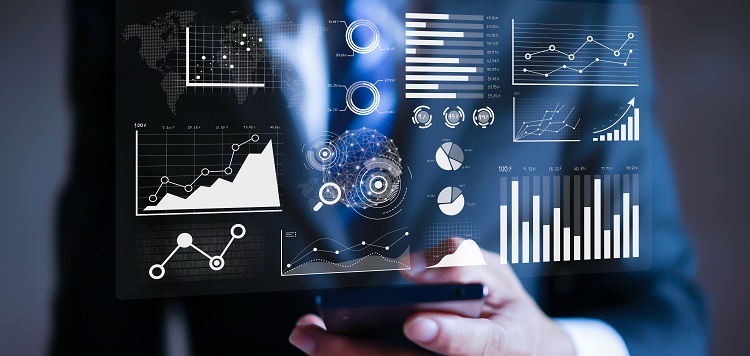
The term technology and analytics has become increasingly intertwined in recent years. The combination of these two fields has revolutionized the way businesses operate and data analysis has become an integral part of a company’s success. From Human Resources (HR) to product innovation, every business sector is being influenced by technology and analytics, and each industry is looking for ways to maximize the potential of these tools. This article will discuss the impact of technology and analytics on businesses, the advantages that can be found in utilizing these tools, and the future of technology and analytics in HR.
Definition of Technology and Analytics
Technology and analytics is a broad term that encompasses a variety of different areas. Technology refers to the use of digital tools, such as computers, software, mobile devices, and the internet, to improve efficiency, productivity, and accuracy. Analytics refers to the systematic examination and evaluation of data to gain insights into trends and patterns. By utilizing both technology and analytics, businesses are able to make informed decisions based on data-driven insights.
Overview of the Impact of Technology and Analytics on Business
The impact of technology and analytics on businesses is far-reaching. Technology has revolutionized the way businesses operate by enabling companies to automate mundane tasks and streamline processes. For example, businesses are now able to use software programs to automate HR tasks such as onboarding, payroll calculations, and time tracking. This frees up time for HR personnel to focus on more strategic projects. Additionally, technology has enabled businesses to connect with customers more easily by providing online services such as ecommerce stores or virtual customer support.
Analytics has allowed businesses to gain valuable insights into customer behavior, market trends, and employee performance. This allows businesses to identify trends that can provide useful information for decision making. For example, by using analytics to analyze customer data, businesses are able to gain insights into their target audience in order to create products or services that meet their needs. Additionally, by leveraging analytics to monitor market trends, businesses are able to gain insights into areas where they may need to adjust their strategies in order to remain competitive. By utilizing both technology and analytics, businesses are able to make data-driven decisions that can lead to increased productivity and efficiency.
Benefits of Technology and Analytics
The use of technology and analytics can provide a variety of benefits for businesses. From streamlining HR data evaluation to increasing employee performance, these tools can help businesses reach their goals.
Streamlining HR Data Evaluation
HR data evaluation is an important aspect of managing a business. By utilizing technology and analytics, businesses are able to easily evaluate HR data in order to identify trends and patterns in employee performance. This data can be used to identify weaknesses or areas for improvement in the workforce as well as identify potential opportunities for growth. Additionally, technology can be used to automate tedious HR tasks such as payroll calculations and time tracking in order to free up time for HR personnel to focus on more strategic projects.
Increasing Employee Performance
By leveraging technology and analytics, businesses are able to gain insights into employee performance in order to identify areas where employees can improve their skills or develop new ones. This data can be used to provide targeted feedback that can help employees reach their full potential while also helping managers pinpoint areas where additional training may be necessary. Additionally, technology can be used to automate tedious tasks that can reduce employee burnout and increase productivity.
Enhancing Business Operations
Technology and analytics can also be used to enhance business operations by providing insights into customer behavior and market trends. By utilizing customer data, businesses are able to better understand their target audience in order to create products or services that meet their needs. Additionally, by leveraging analytics to monitor market trends, businesses are able to gain insights into areas where they may need to adjust their strategies in order to remain competitive. This data can also be used to create more effective marketing campaigns that can maximize ROI while also improving customer satisfaction levels.
Future of Technology and Analytics in HR
The use of technology and analytics in HR is rapidly becoming more commonplace as businesses strive to stay competitive in today’s digital landscape. As such, there are a number of areas where these tools can be used to improve HR operations in the future.
Increasing Competencies
As the world continues to evolve at an unprecedented rate, it is becoming increasingly important for businesses to ensure that their employees are equipped with the skills necessary to succeed in the digital age. By utilizing technology and analytics, businesses can assess their current workforce in order to identify any gaps in skills or knowledge that may need to be addressed in order for employees to remain competitive in the job market. Additionally, technology can be used for training purposes by providing employees with access to online courses or virtual reality simulations that can help them develop new skills or hone existing ones.
Examining Employee Performance
Technology and analytics can also be used to examine employee performance more closely in order to identify areas where improvements need to be made. By leveraging data-driven insights into employee performance, businesses are able to provide targeted feedback that can help employees reach their full potential while also helping managers pinpoint areas where additional training may be necessary. Additionally, this data can be used for recruitment purposes by allowing employers to identify candidates who have the skills they are looking for while also helping them determine which candidates are more likely to succeed in certain roles based on past performance metrics.
Taking Advantage of New Technologies
As new technologies continue to emerge, it is important for businesses to stay up-to-date with the latest advancements in order to remain competitive in the market. By utilizing technology and analytics, businesses are able to identify which new technologies may be beneficial for their operations as well as how best to integrate them into their existing systems. This can help ensure that companies remain at the forefront of innovation while also optimizing their processes for maximum efficiency. Additionally, new technologies such as artificial intelligence (AI) can provide valuable insights into customer behavior or employee performance that may have been overlooked previously due its complexity or lack of available data.
Conclusion
The impact of technology and analytics on business operations is undeniable. From streamlining HR data evaluation to increasing employee performance, these tools can provide a variety of benefits for companies across all industries. Additionally, by leveraging these tools in order to stay up-to-date with new technologies and examine employee performance more closely, businesses are able to remain competitive in today’s digital landscape while also optimizing their operations for maximum efficiency. As technological advancements continue at an unprecedented rate, it is becoming increasingly important for companies across all industries utilize technology and analytics in order maximize their potential while also ensuring they remain at the forefront of innovation within their industry.