

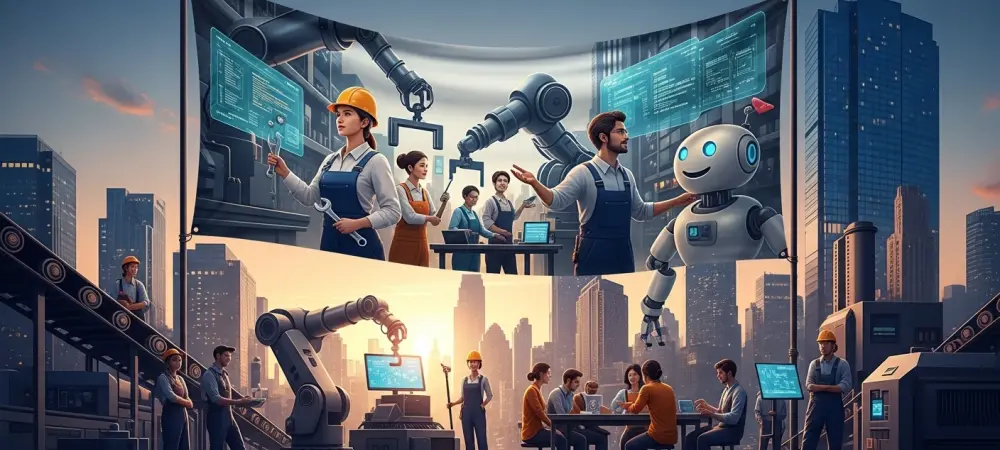
Walking onto the floor of a contemporary logistics hub or a high-capacity medical center, one might notice that the most authoritative voice no longer belongs to a human supervisor, but to a silent, omnipresent algorithm. The traditional battlegrounds of labor—disputes over hourly wages and medical benefits—are rapidly expanding into the digital realm as employees grapple with the software that dictates their every move. The central tension of the modern workplace has evolved into a fundamental question of agency: does the person operate the system, or has the person become a mere biological extension of the company’s code?
Beyond the Paycheck: The New Frontier of Labor Negotiations
In the current landscape of industrial relations, the “off” switch has become as significant a bargaining chip as the pension plan. While early automation focused on physical robotics, the current wave centers on algorithmic management—software that tracks movement, predicts fatigue, and assigns shifts without human intervention. This shift has forced labor organizations to pivot their strategies, moving beyond simple financial compensation to demand a say in the digital architecture of the workplace. The struggle is no longer just about how much a worker is paid, but about maintaining the dignity of the individual against the relentless efficiency of a mathematical model.
As these technologies integrate deeper into the daily grind, the psychological toll of being managed by a machine has become a primary driver of union activity. Workers often describe a sense of alienation when their performance is reduced to data points on a dashboard, leading to a new category of grievances centered on digital autonomy. Consequently, modern contracts are increasingly being drafted with clauses that protect against the “black box” of automated decision-making, ensuring that a human remains in the loop for critical life-altering choices.
Why Algorithmic Management Is the Defining Labor Issue of the Decade
The speed at which automated systems have been adopted has vastly outpaced the creation of traditional workplace protections, leaving many employees vulnerable to “robot bosses” that lack the capacity for empathy or nuance. This rapid deployment has transformed high-functioning workplaces into environments of constant, invisible pressure where the pace of work is set by an unyielding processor. Because these systems often make hiring, firing, and disciplinary decisions based on rigid parameters, the human element of labor is frequently lost, leading to a significant decline in job satisfaction and mental well-being. Recent research indicates that two-thirds of the American workforce now views emerging technology as a top-tier macro concern, ranking it alongside global instability and health crises. This anxiety is not merely a fear of replacement, but a fear of subordination to tools that do not recognize human limits. Without active intervention and the establishment of clear boundaries, these technologies risk creating a permanent state of surveillance that erodes the trust between employer and employee. Addressing these concerns is no longer optional for companies that wish to maintain a stable and motivated workforce.
From Surveillance to Co-Governance: How Collective Bargaining Reclaims the Shop Floor
Labor organizations have transitioned from a stance of outright opposition toward a more sophisticated model of digital co-governance. Evidence from the UC Berkeley Labor Center demonstrates that unions are successfully negotiating for a seat at the table before new software is even purchased. By establishing dedicated technology committees, workers are ensuring that they have advance notice of new deployments and the power to vet how data is collected. This proactive approach allows labor to shape the implementation of AI, ensuring that it serves to enhance safety rather than simply squeezing more productivity out of the staff.
In sectors ranging from retail to heavy logistics, new collective bargaining agreements now specifically prohibit employers from using monitoring data as the sole justification for discipline. These contracts create a vital buffer, requiring that any automated flag be reviewed by a human supervisor who can account for the complexities of the real world. By treating technology as a subject of negotiation rather than a management prerogative, unions are effectively turning the workplace into a collaborative environment where the benefits of automation are shared more equitably.
Expert Perspectives on the AI Transition and Worker Rights
The momentum for worker-centered automation is gaining traction even within the tech industry itself, as major developers begin to recognize the risks of unchecked deployment. Leading AI firms have released industrial policy blueprints that advocate for formal co-governance, suggesting that the people closest to the work are best positioned to decide how technology can improve labor rights. This rare alignment between tech giants and labor advocates suggests a growing consensus that the future of work must be built on a foundation of mutual respect and shared oversight.
Furthermore, legislative bodies are beginning to echo these sentiments, with proposals like the “No Robot Bosses Act” aiming to mandate human review for all automated personnel decisions. Data from MetLife highlights the economic incentive for this shift, showing that employees who feel a sense of human connection and autonomy are 25% more productive than those who feel monitored by machines. This evidence underscores the reality that “human-centered” skills remain the strongest drivers of performance, proving that empowering workers is not just an ethical choice, but a practical business strategy.
Frameworks for Integrating Ethical Automation in the Workplace
To navigate this transition successfully, leadership and human resources departments adopted a transparent strategy that prioritized communication over unilateral implementation. The process began with a comprehensive audit of all existing algorithmic tools, identifying “shadow software” that had been integrated into departments without centralized oversight. By mapping these systems, organizations were able to create a clear inventory of how data was flowing through the company, providing a necessary baseline for establishing ethical guidelines and ensuring that no worker was being monitored without their knowledge. Once the existing landscape was understood, forward-thinking organizations established formal input protocols that required worker consultation at the earliest stages of procurement. These protocols ensured that any new technology met specific job quality standards and did not inadvertently intensify workloads to dangerous levels. Finally, explicit limits were enshrined in written policies and vendor contracts, strictly barring the use of automation for narrowed autonomy or deceptive scheduling. This systematic approach transformed the workplace into a co-governed environment where technology functioned as a tool for empowerment rather than a mechanism for control.