

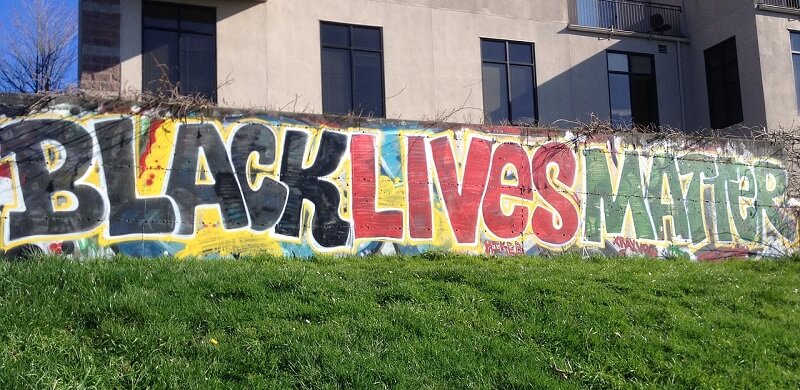
The murder of George Floyd sparked a global reckoning on systemic racism and inequalities. The Black Lives Matter (BLM) movement grew stronger than ever before, and companies worldwide pledged to fight against systemic racism and promote diversity, equity, and inclusion (DEI) in their workplaces. A recent survey by CNBC reveals a positive change in the workplace since the murder of George Floyd and the emergence of the BLM movement.
Black executives report positive change
CNBC’s inaugural Black Business Leadership Survey, conducted in partnership with the Executive Leadership Council (ELC), surveyed Black senior leaders in the C-suite or at the executive vice president level. The survey found that 74% of Black executives saw positive changes in hiring, retention, and promotion of Black employees. This indicates that companies are actively taking steps to address systemic racism and promote diversity and inclusivity in the workplace.
Increased Representation of Black Executives
The CNBC survey also revealed that 41% of respondents saw an increase in the representation of Black executives in the leadership team since 2020. This is a significant step towards a more diverse and inclusive workplace since the leadership team plays a vital role in setting the tone and culture of any organization.
Performance on DEI goals included in compensation structure
The survey’s findings indicate that 40% of executives reported that performance on DEI goals has been included in the compensation structure of senior leaders. This demonstrates that companies are taking DEI seriously and recognize the importance of creating a welcoming and inclusive environment for all employees.
Improvements in How Organizations Treat Black Executives
Nearly half of the survey respondents (48%) reported that companies are treating their Black executives better than before. For many Black employees, this may be the first time they have felt heard and valued in their workplace. This highlights the importance of companies’ commitment to DEI and creating a safe and inclusive work environment for all of their employees.
Areas Where Organizations Fall Short of Their Commitments to DEI
The survey findings also indicate that companies still have challenges to overcome in terms of DEI. One area where companies fell short of their commitments is the lack of opportunities for Black employees. This is concerning and requires further attention and action from companies to ensure that they are actively creating a level playing field for all employees.
The findings of the CNBC survey provide a glimmer of hope that companies are taking action to address systemic racism and promote diversity, equity, and inclusion (DEI). However, the work is far from over, and companies must remain committed to DEI to ensure that all employees feel welcome and valued in their workplaces. Moreover, broader societal pressures on companies to address systemic inequalities require them to take an active role in promoting social justice and equity. It is essential for companies to continue to listen, learn, and recognize their role in creating a better and more equitable world.