

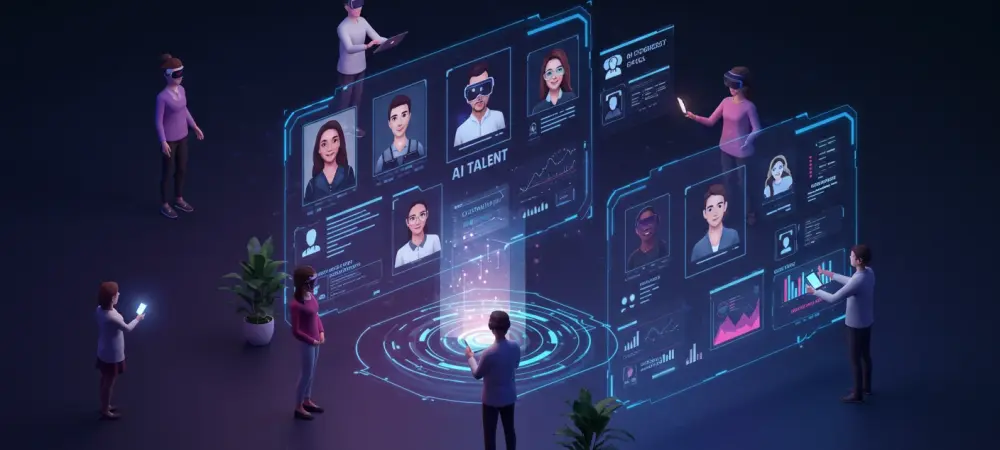
In an increasingly competitive landscape, AI talent acquisition emerges as a defining facet of technological evolution. With AI breakthroughs occurring at lightning speed, companies are locked in fierce battles to secure top-tier talent, crucial for maintaining innovative momentum and driving cutting-edge advancements. This discussion embarks on analyzing current AI talent trends, exploring the industry’s pressing demands, offering insights from thought leaders, and contemplating future implications—setting the stage for a comprehensive understanding of the significant shifts in AI talent acquisition strategies.
The Growing Demand for AI Talent
Current Industry Data and Trends
The demand for AI talent is skyrocketing, driven by advancements in AI technologies, which have become integral components of various industries. As organizations embrace automated solutions and machine learning applications, the growth in demand for specialized AI professionals continues unabated. A recent report highlighted that from 2025 to 2027, the number of AI positions is expected to double, underscoring this upward trajectory. Companies are increasingly adopting aggressive hiring practices, characterized by the offer of lucrative bonuses and competitive salaries to attract capable engineers and researchers. Such data highlights not only the demand for AI talent but also signals how AI roles are swiftly evolving from niche areas to mainstream positions.
Real-World Applications and Strategies
Companies are deploying numerous strategies to attract and retain AI talent amidst these remarkable trends. Meta exemplifies this approach, having successfully acquired top-level professionals by making significant investments in signing bonuses and fostering remarkable work environments. The establishment of Meta’s Superintelligence Labs is a testament to their commitment to achieving artificial general intelligence. This initiative offers insights into real-world applications of AI talent strategies, showcasing Meta’s determination to rival AI giants. Case studies from other companies, such as Google’s DeepMind and OpenAI, highlight similar tactics and emphasize investments in human capital as a pathway to achieving innovative breakthroughs in AI.
Expert Insights and Perspectives
Experts from the industry offer valuable perspectives regarding the complexities surrounding AI talent acquisition. Notable professionals express concerns about the challenges these companies face, often emphasizing the volatility and intense competition inherent in acquiring such specialized skills. Ruoming Pang’s departure from Apple served as a catalyst for discussions about companies’ varied approaches to incorporating AI talent within their organizational frameworks. Thought leaders argue that building robust and enticing work environments, coupled with attractive relocation packages, are critical components in attracting and retaining talent in a fiercely competitive market. These insights help unravel the intricate layers of talent acquisition strategies within the AI sector.
Future Outlook for AI Talent Acquisition
The future landscape of AI talent acquisition is poised for dramatic shifts influenced by technological advancements, market dynamics, and evolving business strategies. As companies strive to enhance their AI capabilities, attracting and retaining top talent remains imperative. Future projections anticipate a rise in work culture improvements, integrating flexible work arrangements to foster greater collaboration and creativity. Meanwhile, the challenges around escalating salary expectations and the need for diverse skill sets continue to pose barriers that businesses must overcome to fully realize their AI objectives. Such developments could reshape industries cautious of these dynamics, potentially leading to an increased race for securing AI talent across the global spectrum.
Conclusion and Call to Action
In the past, the landscape of AI talent acquisition underwent transformation as technological advancements and industry dynamics evolved. High-profile departures, strategic hiring practices, and expert insights underline the pivotal role of human capital in driving AI innovation. Companies looking to cement their position in the AI sphere have navigated challenges, reassessed strategies, and fostered unique work environments. This trend highlights the importance of creating conducive work settings, investing in human resource development, and embracing long-term strategies aligned with organizational goals. Moving forward, businesses are urged to question traditional hiring methods and innovate within this rapidly changing domain, ensuring their competitive edge amid this AI-driven revolution.