Introduction The ongoing evolution of the global business environment demands that corporate leaders move beyond the static expertise of the past to embrace a model of continuous professional development that ensures organizational resilience. This requirement is particularly acute for members
Introduction The ongoing evolution of the global business environment demands that corporate leaders move beyond the static expertise of the past to embrace a model of continuous professional development that ensures organizational resilience. This requirement is particularly acute for members
Introduction The ongoing evolution of the global business environment demands that corporate leaders move beyond the static expertise of the past to embrace a model of continuous professional development that ensures organizational resilience. This requirement is particularly acute for members
Deeper Sections Await

Amid the complexities of today’s workforce dynamics, businesses face significant challenges in their quest to attract and retain top talent. Despite the clear importance of salary, it is increasingly evident that competitive wages alone do not suffice to entice skilled

In today’s evolving workforce, a notable generational shift influences attitudes toward work, impacting engagement, motivation, and personal fulfillment. Traditional views often see work as a path to financial security, a perspective largely held by older generations. Meanwhile, younger generations, such
Browse Different Divisions
Amid the complexities of today’s workforce dynamics, businesses face significant challenges in their quest to attract and retain top talent. Despite the clear importance of salary, it is increasingly evident that competitive wages alone do not suffice to entice skilled

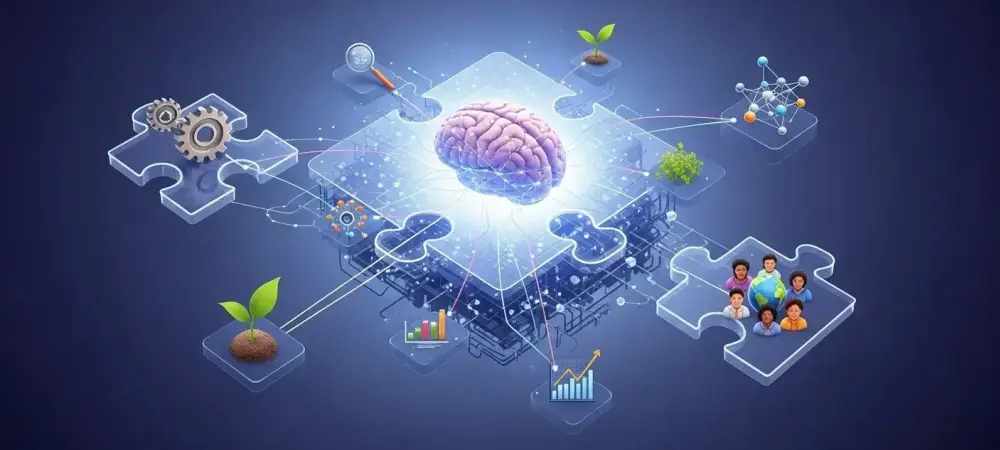
The landscape of corporate learning is undergoing a profound transformation as artificial intelligence (AI) permeates professional development programs. Traditional methods, often characterized by rigidity and generality, are being replaced by AI-driven solutions that offer a personalized and pragmatic approach, empowering

Modern workplaces face various challenges, with loneliness emerging as a significant and pervasive issue. Recent data suggest that 44% of people globally feel isolated, making loneliness not only a personal dilemma but also an economic one impacting productivity and employee
In the fast-evolving landscape of business, the recruitment process plays a pivotal role in shaping an organization’s future. Companies are increasingly looking towards innovative hiring strategies that align closely with their strategic objectives. At the forefront of modern recruitment trends

In today’s rapidly evolving business environment, organizations consistently seek to enhance employee engagement as a significant driver of success. It is well recognized that highly engaged employees prove to be not only more productive but also more loyal and willing
In today’s evolving workforce, a notable generational shift influences attitudes toward work, impacting engagement, motivation, and personal fulfillment. Traditional views often see work as a path to financial security, a perspective largely held by older generations. Meanwhile, younger generations, such
Browse Different Divisions
Uncover What’s Next
B2BDaily uses cookies to personalize your experience on our website. By continuing to use this site, you agree to our Cookie Policy