

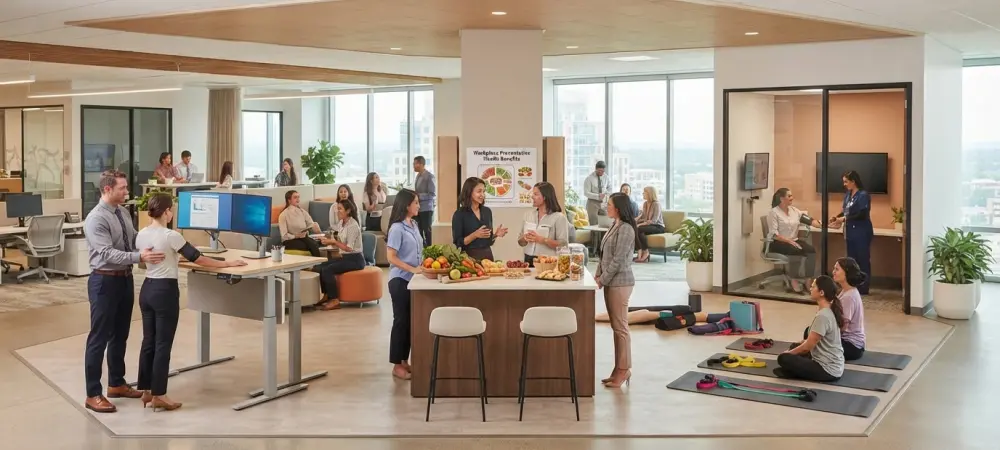
The traditional boundary between professional duties and personal well-being is dissolving as modern employees increasingly view proactive medical intervention as a fundamental right rather than a luxury benefit. This shift is particularly evident in the recent realization that health is a shared organizational responsibility. As workplace cultures evolve in 2026, the demand for preventive care has moved from the periphery of corporate policy to the very center of recruitment and retention strategies. The expectation is no longer just for a paycheck, but for a comprehensive safety net that actively seeks to prevent illness before it necessitates a leave of absence.
The Rising Demand for Employer-Funded Health Interventions
Statistical Shift in Employee Expectations and Demographics
Recent data indicates a profound change in how the workforce prioritizes medical screenings, with 73% of UK workers expressing a clear desire for employer-funded cancer assessments. This appetite is not a monolith; rather, it is driven by specific demographic segments that have become increasingly vocal about their healthcare needs. Women, for instance, show a remarkably high interest at 78%, while Gen X employees follow closely at 77%. These groups are often the backbone of organizational stability, and their preference for proactive health measures suggests that companies must adapt to retain experienced talent.
Furthermore, this demographic trend highlights a growing gap between what employees expect and what is currently provided. While the interest in preventive care is at an all-time high, many organizations still rely on reactive health insurance models that only trigger after a diagnosis. Moving toward a more integrated approach requires a departure from traditional benefit structures, shifting the focus toward early detection. This evolution represents a strategic alignment where employee longevity becomes directly synonymous with the organization’s operational continuity.
Real-World Applications and Implementation Models
To bridge the gap between interest and action, successful companies are now integrating practical enablers that remove friction from healthcare access. Statistics show that 49% of employees would be more likely to participate in health checks if the appointments were free, while 32% emphasize the necessity of paid time off to attend these screenings. By treating a medical check-up with the same administrative legitimacy as a client meeting, employers signal that wellness is a core corporate value. This structural support is essential for converting passive interest into measurable health outcomes.
Innovation in delivery models has also gained significant traction, especially with the rise of home-based testing kits, which currently appeal to 25% of the workforce. These tools provide a modern solution for remote or busy employees who find traditional clinical visits difficult to schedule. Moreover, the emergence of “cancer navigation support” marks a transition toward holistic care. Beyond the initial test, employees are looking for professional guidance to help them navigate the logistical and emotional complexities of the healthcare system, ensuring that a positive result does not lead to total professional and personal upheaval.
Expert Perspectives on Navigating the Participation Gap
Professional consensus suggests that the failure of many health programs stems from a “one-size-fits-all” communication strategy that ignores the nuances of age and gender. Experts argue that for a health benefit to be effective, it must be marketed internally with the same precision as an external product. For example, engagement strategies for Gen X might focus on long-term stability, while programs for younger generations might emphasize ease of access through digital platforms. Without targeted outreach, even the most generous benefit packages risk remaining underutilized.
Furthermore, the “navigation gap” remains a critical hurdle where employees feel overwhelmed by the complexity of their own benefits. Experts note that if workers do not know how to access a screening or fear that their results might impact their job security, the benefit loses all its value. Establishing a culture of psychological safety and strict confidentiality is therefore paramount. When employees trust that their medical data is shielded from management and that seeking care is encouraged, participation rates rise, allowing the organization to truly benefit from a healthier staff.
The Future Evolution of Corporate Health Ecosystems
Looking ahead from 2026 to 2028, the corporate health landscape is expected to transition from simple insurance payouts to comprehensive health ecosystems. These systems will likely prioritize personalized health plans that integrate clinical pathways with flexible work arrangements. As data analytics become more sophisticated, employers may be able to offer more tailored interventions, though this will undoubtedly increase the tension between data-driven wellness and individual privacy concerns. Organizations will need to navigate this delicate balance with transparent policies and robust ethical frameworks.
The broader implications for public health are equally significant, as workplace interventions could dramatically reduce the long-term burden on state healthcare systems. By identifying risks early, companies help reduce the incidence of chronic late-stage illnesses, which in turn lowers absenteeism and increases national productivity. This symbiotic relationship between the corporate sector and public health suggests that employer-funded preventive care is not just a business trend, but a necessary component of a sustainable modern society.
Strategic Conclusion for Organizational Resilience
The analysis confirmed that the transition toward health-based partnerships successfully recalibrated how organizations viewed their human capital. Employers realized that the appetite for preventive health transformed the standard contract into a more profound commitment to employee longevity. Accessibility, education, and professional navigation became the essential tools for turning employee interest into tangible health improvements. These initiatives proved that when health was treated as a priority, the workforce responded with increased engagement and a stronger sense of security.
Ultimately, the shift toward proactive health benefits fostered deeper loyalty and strengthened organizational stability. By addressing logistical barriers and the navigation gap, companies moved beyond the role of mere wage providers. The integration of cancer screenings and diagnostic support served as a cornerstone for building a resilient workforce capable of meeting the demands of an aging demographic. This strategic evolution ensured that both the individual and the organization were better prepared for the health challenges of the coming years.