

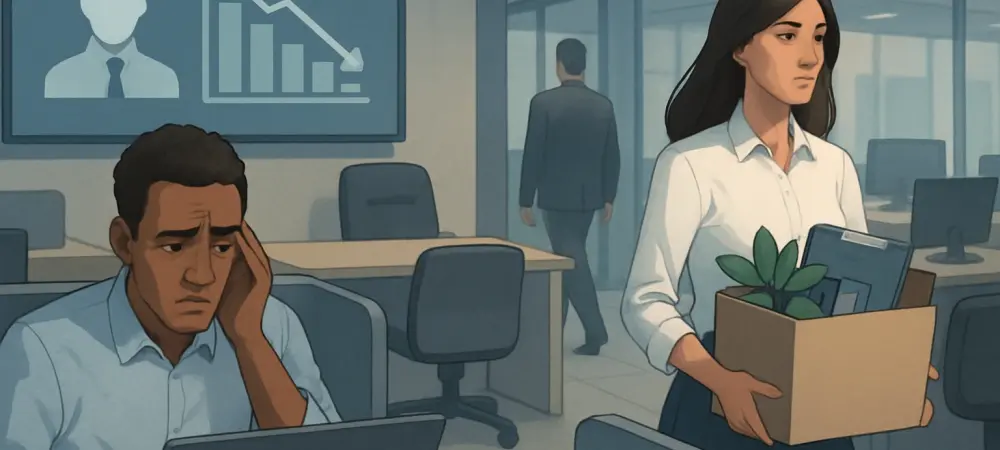
I’m thrilled to sit down with Ling-Yi Tsai, a renowned HRTech expert with decades of experience helping organizations navigate change through innovative technology. With her deep expertise in HR analytics and the seamless integration of tech in recruitment, onboarding, and talent management, Ling-Yi offers invaluable insights into today’s pressing workplace challenges. In this conversation, we dive into the complexities of employee turnover, the critical loss of institutional knowledge, and practical strategies for building resilient organizations in an era of constant change.
How has turnover become such a significant hurdle for companies in recent years?
Turnover has always been a challenge, but it’s become more acute with the rapid shifts in workforce expectations and economic pressures. Data shows a striking trend—about 75% of employees leave within their first three years if they don’t see a promotion. What’s tough for companies is not just the numbers, but the ripple effects. Losing talent means losing momentum, disrupting team dynamics, and often starting from scratch with new hires who lack context. It’s a costly cycle, both financially and culturally.
What do you think drives so many employees to leave early in their tenure, especially when career advancement seems out of reach?
A big factor is the sense of stagnation. Employees, especially younger ones, crave growth and purpose in their roles. When they don’t see a clear path forward or feel their contributions aren’t recognized, they start looking elsewhere. It’s not just about a title or pay bump—though those matter—it’s about feeling valued and seeing a future with the company. Without that, motivation dips, and they’re more likely to jump ship for a place that offers a better outlook.
Can you break down what institutional knowledge means and why its loss is so damaging to organizations?
Institutional knowledge is the collective know-how that employees build over time—think of it as the unwritten rules, historical context, and unique processes that keep a company running smoothly. When someone leaves, especially after just a couple of years, that insight walks out the door. It’s damaging because new hires don’t know why certain decisions were made or how systems evolved. This can lead to inefficiencies, repeated mistakes, and even a loss of competitive edge. It’s like losing a piece of the company’s DNA.
Could you share a real-world example of how losing this kind of knowledge impacts a company’s operations?
Absolutely. I worked with a mid-sized tech firm where a key project manager left after two years. She had been the glue for a critical client account, knowing every quirk of their preferences and the rationale behind past solutions. Her replacement, despite being skilled, struggled for months to rebuild trust with the client because he lacked that backstory. Deadlines slipped, frustrations grew, and the company nearly lost the account. It showed me how much unspoken knowledge can underpin day-to-day success.
Since turnover can’t always be avoided, what are some effective ways companies can preserve institutional knowledge before it’s lost?
One of the best approaches is to make knowledge-sharing a norm, not a last-minute scramble. Encourage cross-training and collaboration so no single person holds all the keys to a process. Another strategy is mentoring—pairing seasoned employees with newer ones to pass down insights organically. It’s also about creating a culture where sharing isn’t seen as a threat to job security but as a contribution to the team’s strength. When knowledge is spread out, the impact of any one departure is much less severe.
You’ve talked about building a pipeline of future leaders as a way to address turnover challenges. How can organizations start creating that pipeline effectively?
It begins with identifying potential early on, even among junior staff, and giving them exposure to leadership thinking. This doesn’t mean fast-tracking everyone to management, but rather offering learning opportunities—think stretch projects, shadowing leaders, or targeted training. Focus on skills like problem-solving, communication, and strategic thinking, which are timeless. The goal is to build a bench of talent who understand the company’s history and vision, so they’re ready to step up when the time comes.
Documenting processes through Standard Operating Procedures, or SOPs, is often suggested. How feasible is this for most businesses, especially smaller ones?
It’s very feasible if approached pragmatically. SOPs don’t need to be complex manuals; they can start as simple checklists or short guides created by employees as they work. For smaller businesses, this can be as easy as using shared digital tools like Google Docs to jot down steps for recurring tasks. The key is to make it a habit—set aside time quarterly to review and update these documents. When done right, it’s not a burden but a safety net that saves time and stress during transitions.
Are there any innovative or less conventional methods you’ve seen for capturing institutional knowledge that companies might consider?
Definitely. Technology offers some exciting options, like using internal wikis or knowledge management platforms where employees can log insights, lessons learned, and even record short videos explaining complex tasks. Another idea is hosting regular “knowledge-sharing” sessions—think informal lunch-and-learns where team members present on niche topics they’ve mastered. These methods not only capture information but also build a sense of community and collaboration, which can boost retention in itself.
Looking ahead, what is your forecast for how turnover and knowledge retention challenges will evolve in the coming years?
I think we’ll see turnover remain a persistent issue as younger generations prioritize flexibility and growth over long-term loyalty. But I also see technology playing a bigger role in mitigating knowledge loss—AI-driven tools could help document and organize institutional know-how automatically, making it accessible to new hires faster. Companies that adapt by investing in both people and tech will be better positioned to weather turnover storms. The challenge will be balancing that innovation with the human element of trust and connection that keeps employees engaged.