

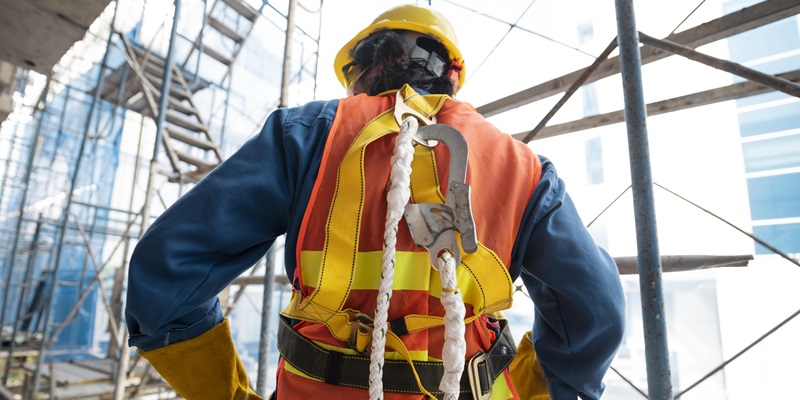
The tragic death of a 62-year-old roofing laborer at Kabco Builders Inc., a mobile home manufacturer in Alabama, has sparked an intense investigation by the Occupational Safety and Health Administration (OSHA). The investigation revealed a series of critical safety lapses, emphasizing the essential nature of compliance with safety regulations to prevent workplace accidents and fatalities. This incident serves as a stark reminder of the vital importance of fall protection standards and comprehensive training for workers to ensure their well-being.
The Tragic Incident and Immediate Findings
OSHA’s investigation into the unfortunate occurrence began with examining the specific circumstances leading to the laborer’s fatal fall. The worker, engaged in loading shingles, was working alone and fell approximately ten feet while navigating a narrow gap between a platform and the roof of a mobile home. This isolated working condition underscored a failure in preventive measures, such as adequate staffing and spotters, which could have mitigated such risks. A closer look at the immediate findings indicated multiple safety oversights at the job site. The absence of essential fall protection measures facilitated the fatality, revealing a glaring non-compliance with basic safety standards. This incident has highlighted the intrinsic dangers of construction work, particularly in environments where safety measures are disregarded.
The lack of supervision and support for the laborer further exacerbated the situation, showing a critical lapse in management’s oversight. The specific situation of working alone inherently increased the risk, a fact that underlines the necessity of continuous monitoring and support for workers, especially those performing high-risk tasks. The immediate findings present a harrowing picture of neglect and oversight that ultimately resulted in a preventable tragedy. These initial observations set the stage for a deeper investigation into systemic issues within Kabco Builders Inc.
OSHA’s Investigation and Key Violations
OSHA’s comprehensive investigation unveiled ten serious violations at Kabco Builders Inc., painting a grim picture of the company’s safety practices. Among these, the most critical was the lack of fall protection for workers operating at heights, a fundamental requirement to safeguard employees. This lapse alone significantly increased the risk of severe injuries and fatalities. Other prominent violations included inadequate training for workers, especially those working at heights above four feet. Employees lacked sufficient guidance on safely navigating their work environments, leading to dangerous practices. Furthermore, inadequate training for forklift operators and the absence of personal protective equipment (PPE) for workers handling hazardous adhesives were also noted. These lapses underscored a broader trend of neglecting key safety protocols.
The breadth of OSHA’s findings revealed a disturbing pattern of neglect and non-compliance with safety regulations at Kabco Builders Inc. It became evident that the company’s disregard for OSHA standards not only endangered the life of the deceased worker but also placed many others at heightened risk. The absence of proper training and protective measures is symptomatic of deeper organizational failings. This widespread non-compliance led OSHA to take stringent actions, aiming to enforce adherence to established safety standards. The violations point to a need for systemic change within the company, emphasizing that safety protocols must be integral to workplace operations rather than an afterthought.
The Broader Implications of Non-Compliance
The severe consequences of neglecting safety regulations extend beyond the immediate fatalities and injuries. Financial penalties imposed by OSHA, along with the mandated rectification of hazardous conditions, serve as a stark reminder of the high cost of non-compliance. These penalties aim to enforce adherence to safety standards and act as a deterrent to other companies contemplating lax safety measures. In examining broader trends, slip-and-fall accidents consistently rank as one of the leading causes of workplace injuries and fatalities across various industries. This persistent issue highlights the urgent need for robust implementation and enforcement of safety protocols. Proper training and personal protective measures are indispensable in mitigating these risks, pointing to a critical area of improvement for many businesses.
Reducing workplace accidents requires a holistic approach involving continuous education, rigorous enforcement of safety measures, and fostering a culture that prioritizes worker well-being. The economic ramifications of non-compliance can be severe, with penalties, legal costs, and potential shutdowns posing existential threats to companies. Beyond the financial impacts, the human cost of neglecting safety protocols is immeasurable, resulting in lost lives, lasting injuries, and bereaved families. The Kabco Builders Inc. incident stands as a cautionary tale highlighting the imperative of regulatory compliance and the inescapable responsibility of employers to safeguard their employees.
The Critical Necessity of Fall Protection Standards
The Kabco Builders Inc. incident emphasizes the essential role of fall protection standards in ensuring worker safety. OSHA mandates comprehensive safety measures for employees working at heights, including the use of guardrails, safety nets, and personal fall arrest systems. Adhering to these standards is crucial in preventing falls, which remain a significant hazard in construction and other industries. Training programs must be robust and continuous, ensuring all workers are well-informed about the best practices for operating safely at heights. These programs should not only comply with OSHA regulations but also go beyond minimum requirements to foster a culture of safety within the workplace. Continuous education and reinforcement of safety principles can drastically reduce the prevalence of accidents.
It is vital for companies to recognize that fall protection standards are not merely regulatory burdens but life-saving measures essential for protecting their workforce. Companies that invest in thorough safety training and fall protection strategies often see reductions in workplace accidents, contributing to a more productive and secure working environment. As the Kabco Builders tragedy illustrates, the consequences of neglecting these critical measures can be dire. Ongoing commitment to educating employees, implementing protective systems, and maintaining rigorous safety standards is the only path toward eliminating preventable accidents and ensuring that workers return home safely each day.
Continuous Improvement and Safety Culture
The tragic death of a 62-year-old roofing laborer at Kabco Builders Inc., a mobile home manufacturer located in Alabama, has triggered a rigorous investigation by the Occupational Safety and Health Administration (OSHA). This unfortunate incident has brought to light a series of significant safety failures at the workplace. OSHA’s investigation highlights the critical need for strict adherence to safety regulations to prevent workplace accidents and fatalities. In particular, the lack of fall protection measures and inadequate training were identified as major factors contributing to the tragedy. This incident underscores the essential importance of implementing and maintaining fall protection standards, along with providing comprehensive training programs for workers. Employers must recognize their responsibility to ensure the safety and well-being of their employees. When safety protocols are neglected, the risk of tragic outcomes increases exponentially. The case at Kabco Builders serves as a poignant reminder that worker safety should always be a top priority.