

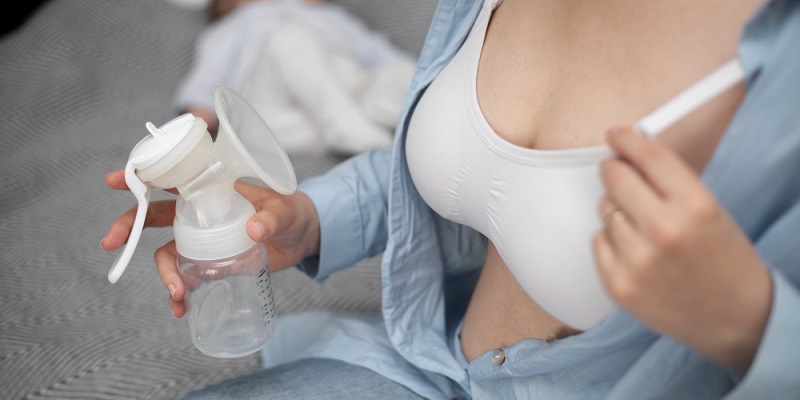
The PUMP Act, which stands for the Protecting the Right to Organize (PRO) Act’s Update to the Fair Labor Standards Act (FLSA), was signed into law on December 27, 2020. The law expanded the break time requirements for employers to provide nursing employees with reasonable break times to pump breast milk. The Department of Labor (DOL) recently released new guidance to help employers understand and comply with the law.
PUMP Act Enforcement
The Department of Labor (DOL) began enforcing the PUMP Act last month, and it is essential that employers understand their obligations to avoid potential penalties. Employers who fail to comply with the law may face consequences such as civil fines and lawsuits.
Break Time Requirements
The PUMP Act requires employers to provide nursing employees with reasonable break times each time an employee needs to pump breast milk. The break time should be long enough for the employee to express milk and should take place during the workday. The timing and frequency of break time will depend on the employee’s individual needs and may change over time.
Fixed schedules
Employers may work with employees to agree on a general schedule based on anticipated needs, but they cannot require an employee to adhere to a fixed schedule that doesn’t meet the employee’s need for a break each time they need to pump. Therefore, an employer must offer flexibility in scheduling to ensure compliance with the PUMP Act.
Remote employees
Nursing employees who are working remotely are entitled to the same pumping breaks as employees working on-site. Remote workers should have access to a private space to pump, and employers should work with employees to ensure they have time and space to express milk while working remotely.
Payment Requirements
Under the PUMP Act, employees do not need to be paid for break time needed to express milk, “unless otherwise required by federal or state law or municipal ordinance.” This means that if federal or state law, such as the Fair Labor Standards Act (FLSA), requires employers to pay employees for break time, they must do so.
Completely relieved from duty
If an employee is not completely relieved of their job duties during the entirety of the break, it must be paid. In other words, if an employee is required to check emails or perform other job duties during their break, they must be paid for that time.
Access to Private Space
The PUMP Act and DOL guidance require nursing employees to have access to a place to pump at work that is shielded from view, free from intrusion from co-workers and the public, available each time it is needed by the employee, and not a bathroom. The private space should have sufficient space and electrical outlets to operate a breast pump and other necessary equipment.
Employers must ensure that they comply with the PUMP Act and DOL guidance by providing reasonable break time for employees to pump breast milk. It is essential to provide both permanent and temporary private spaces for nursing employees to pump, and employers must collaborate with their employees to ensure that those spaces provide adequate privacy, comfort, and convenience. Employers who fail to meet the requirements under the PUMP Act may face penalties and costly lawsuits. Therefore, it is vital that employers fully understand their obligations and take necessary measures to ensure compliance.