

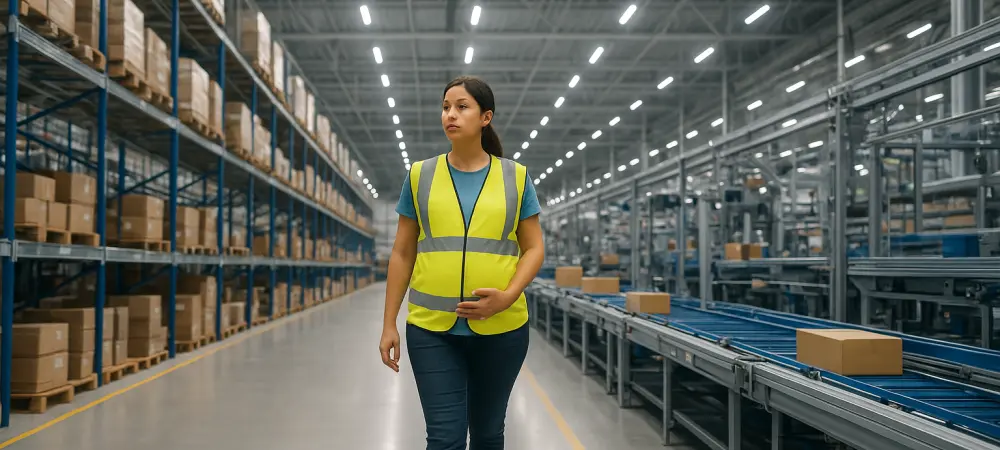
The relentless hum of an industrial fulfillment center often masks a silent struggle where the biological needs of expectant mothers collide with the cold, unyielding precision of high-speed automation. Behind the promise of Prime delivery, warehouse workers in New York have raised a chorus of legal challenges, alleging that the very technology designed for efficiency is being weaponized against pregnant employees. This tension raises a fundamental question about whether a retail giant driven by data and algorithmic speed can truly accommodate the physical realities of a healthy pregnancy without sacrificing its bottom line.
While the company prides itself on industry-leading technology, recent lawsuits suggest that automation is being used to bypass the personal needs of the workforce. As these legal battles come to light, Amazon finds itself at the center of a national debate regarding corporate responsibility. The outcome of these cases will likely determine whether large-scale employers can continue to prioritize rigid productivity standards over the basic health requirements of their staff.
The High Cost: The “Everyday Low Price” for Expectant Mothers
The convenience of rapid shipping often obscures a grueling reality for those balancing manual labor with the physical demands of pregnancy. For many warehouse associates, the pressure to maintain “optimized” output becomes an insurmountable hurdle as their bodies change. The discrepancy between corporate efficiency goals and biological necessity has led to a growing number of grievances from workers who feel disposable in the face of machine-driven quotas.
Legal experts argue that this environment creates a “cruel choice” for women who must decide between their physical safety and their financial stability. The relentless pace of the warehouse floor does not easily allow for the breaks or adjustments that a healthy pregnancy requires. Consequently, the human cost of maintaining low prices and fast delivery is increasingly being paid by expectant mothers who face exhaustion or injury.
The Legal Landscape: The Pregnant Workers Fairness Act
The recent class-action lawsuit filed in New York highlights a critical shift in labor protections under the federal Pregnant Workers Fairness Act. For years, pregnant warehouse workers occupied a legal gray area, often left without clear recourse when denied simple adjustments to their work routines. This current litigation serves as a major legal test for whether corporate giants can bypass federal mandates in favor of automated performance metrics. Understanding this conflict is essential as it sets the precedent for how all major U.S. employers must treat expectant mothers in the modern workforce. The federal law was designed to ensure that pregnancy does not become a barrier to employment, yet its implementation in high-intensity environments remains contested. This case will determine if the law is strong enough to force changes in how the world’s largest retailers manage their human capital.
Allegations of Systematic Failure: Automated Discrimination
The core of the legal complaint centers on a disconnect between human needs and digital management systems. Plaintiffs alleged that Amazon required formal doctor’s notes for “predictable assessments,” such as access to water or a chair, which violated EEOC guidelines stating these should be granted immediately. This rigid insistence on paperwork often left vulnerable workers without protection during the most physically demanding stages of their pregnancies.
Furthermore, Amazon’s automated tracking software reportedly penalized workers for necessary breaks, deducting hours from unpaid time off banks while they waited for accommodation approvals. The lawsuit detailed how automated attendance systems triggered termination warnings for pregnant workers whose metrics dipped. In one instance, an employee was reportedly fired because her time in a lactation room was flagged as “inactive,” illustrating a lack of human oversight in algorithmic management.
Corporate Defense: Lived Experience
Amazon’s official stance paints a vastly different picture of the workplace, with spokesperson Kelly Nantel asserting that the company approves nearly all pregnancy-related requests. Corporate data suggested a 99.9% approval rate for such accommodations, totaling tens of thousands of staff members annually. This narrative focuses on the scale of the company’s support systems and its commitment to providing a safe environment for all employees.
However, advocacy groups like A Better Balance argued that these statistics obscured the reality of workers who were terminated before their requests were ever finalized. Legal experts suggested that a reliance on “management by algorithm” creates an inherent bias against any worker whose physical needs deviate from a standard output profile. This clash between corporate data and the lived experience of the plaintiffs highlights a profound gap in how workplace success is measured.
Navigating Workplace Rights: Seeking Reform
For workers and advocates, this case provided a roadmap for identifying and challenging pregnancy discrimination in high-intensity environments. Employees were encouraged to keep personal logs of every request made, the response received, and any subsequent impact on performance metrics. Understanding which accommodations did not require medical documentation under federal guidelines offered a vital shield against unlawful disciplinary actions during the shift toward digital oversight. The lawsuit sought nationwide class-action status, aiming to force a recalibration of software to recognize the legal rights of expectant mothers. Utilizing resources from advocacy organizations allowed individuals to challenge automated terminations and pursue reinstatement or back pay. This collective effort pushed for a policy overhaul that prioritized human health over the uncompromising pace of the digital economy.