

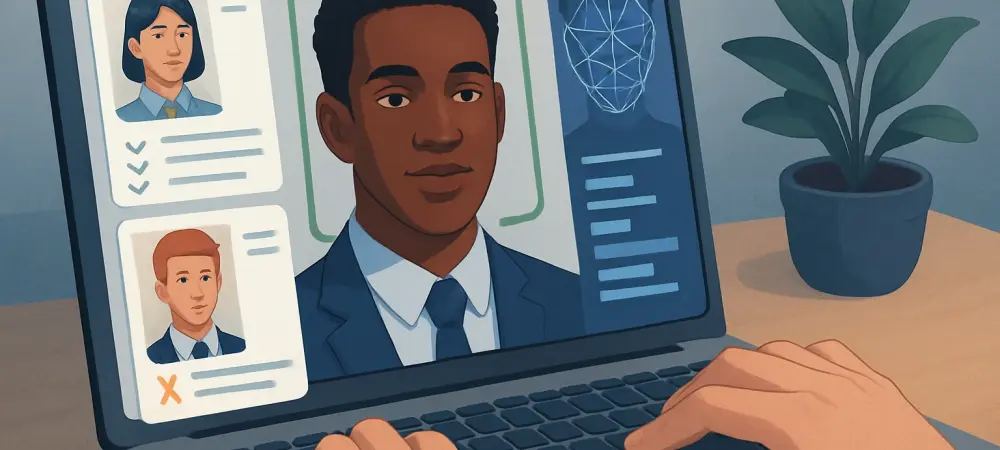
Revolutionizing Recruitment with Integrated Solutions
Imagine a hiring process so bogged down by manual tasks that critical talent slips through the cracks, leaving companies vulnerable to risky hires, and in today’s fast-paced business environment, where every decision impacts company culture and performance, such inefficiencies are no longer tolerable. Integrated HR screening tools have emerged as a game-changer, combining applicant tracking systems (ATS) with background checks and drug testing services to streamline recruitment.
This technology addresses the pressing need for speed and accuracy in hiring by embedding essential screening processes into a single platform. Employers can now make informed decisions without juggling multiple systems or vendors, saving valuable time. The significance of these tools lies in their ability to enhance compliance, reduce administrative burdens, and ensure safer workplaces.
As HR technology continues to evolve, integrated screening solutions stand out as a response to the demand for seamless, data-driven recruitment practices. This review delves into the core features, real-world performance, and transformative potential of these tools in modern hiring landscapes, offering a comprehensive look at their impact.
Core Features Driving Efficiency
Seamless Workflow Integration
Integrated HR screening tools redefine efficiency by embedding screening functionalities directly into ATS platforms. This means users can request, track, and manage background checks and drug tests without ever leaving the primary interface. The elimination of multiple logins or external communications cuts down on administrative friction significantly. The impact of this integration is profound, as it accelerates hiring decisions by consolidating workflows. Employers no longer need to wait for separate reports or manually input data, allowing them to focus on evaluating candidates rather than managing processes. Such streamlined operations are particularly beneficial for high-volume hiring environments where time is of the essence.
Moreover, the unified experience fosters better collaboration among HR teams. With all screening results accessible in one place, decision-making becomes more cohesive, reducing errors and ensuring that no critical information is overlooked during the recruitment cycle.
Compliance and Risk Mitigation
A standout feature of these tools is their strong emphasis on legal compliance, particularly with regulations like the Fair Credit Reporting Act (FCRA). They provide accurate and reliable screening services, including criminal record searches, employment verifications, and education checks, ensuring that employers adhere to stringent standards. This focus on compliance serves as a safeguard against potential legal pitfalls, protecting companies from costly lawsuits or penalties. By automating consent forms and disclosure processes, the technology minimizes human error, further enhancing trust in the hiring process. Employers can rest assured that their practices align with federal and state guidelines.
Beyond legality, these tools mitigate risks by delivering comprehensive insights into a candidate’s background. The ability to identify red flags early—whether through drug testing or criminal history checks—helps organizations build safer workplaces and maintain a positive company culture over time.
Performance in Real-World Scenarios
Industry Applications Across Sectors
Integrated HR screening tools have proven their versatility by supporting diverse industries, from healthcare to retail, in achieving safer hiring outcomes. In sectors where safety and trust are paramount, such as education or transportation, these tools ensure that only qualified and vetted candidates advance through the pipeline.
A notable application is their adoption by white-label partners who offer branded, end-to-end hiring solutions. These partners leverage the technology to provide clients with a customized experience, seamlessly blending ATS capabilities with thorough screening services. This approach not only enhances client satisfaction but also strengthens market competitiveness.
The tangible benefits for employers are evident in reduced hiring timelines and improved decision quality. By automating repetitive tasks and delivering actionable data, the tools enable organizations to focus on strategic priorities, ultimately fostering a workforce aligned with long-term goals.
Strategic Partnerships Enhancing Value
The performance of integrated screening tools is often amplified through strategic collaborations, such as partnerships between ATS providers and specialized screening firms. These alliances drive innovation by combining expertise in workflow management with deep knowledge of compliance-driven background checks. Such collaborations result in customer-centric solutions that prioritize user experience and data integrity. Employers gain access to a broader range of services—like expanded drug testing options—within a familiar platform, eliminating the learning curve associated with standalone systems. This synergy enhances the overall utility of the technology.
Additionally, these partnerships reflect a broader industry trend toward holistic HR platforms. As companies increasingly seek all-in-one solutions to address complex hiring needs, integrated tools stand at the forefront, delivering measurable improvements in efficiency and risk management across various use cases.
Challenges Impacting Adoption
Technical and Regulatory Hurdles
Despite their advantages, integrated HR screening tools face barriers to widespread adoption, particularly around technical integration complexities. Merging screening functionalities with existing ATS platforms can pose challenges, especially for organizations with legacy systems that resist seamless connectivity.
Regulatory variations across regions further complicate implementation. Employers operating in multiple jurisdictions must navigate differing compliance requirements, which can strain resources and delay deployment. These inconsistencies highlight the need for adaptable solutions tailored to local laws.
Providers are actively addressing these issues by offering continuous updates and enhanced support mechanisms. By prioritizing flexibility in their platforms, they aim to simplify integration and ensure that users remain compliant regardless of geographic constraints, though challenges persist in achieving universal accessibility.
Data Privacy and Security Concerns
Another critical limitation lies in data privacy, as these tools handle highly sensitive candidate information. Ensuring robust security measures to protect against breaches or unauthorized access remains a top concern for employers wary of reputational damage or legal repercussions.
The stakes are high, as any lapse in data protection could undermine trust in the hiring process. Employers must balance the benefits of automation with the responsibility of safeguarding personal details, often requiring additional investments in cybersecurity infrastructure to complement the technology.
Providers are responding by embedding advanced encryption and access controls into their systems. While these efforts bolster confidence, ongoing vigilance is necessary to keep pace with evolving threats, ensuring that privacy remains a cornerstone of integrated screening solutions.
Looking Ahead: Future Innovations
Emerging Capabilities on the Horizon
The future of integrated HR screening tools appears promising, with potential advancements like artificial intelligence (AI) poised to revolutionize predictive hiring analytics. By analyzing patterns in candidate data, AI could offer deeper insights into fit and performance, taking decision-making to new heights.
Expanded screening capabilities are also on the horizon, including more nuanced assessments of social media presence or behavioral indicators. Such innovations could provide a fuller picture of candidates, enabling employers to make even more informed choices while maintaining ethical standards in data usage.
As industry needs evolve, these tools are likely to adapt through enhanced collaborations and platform functionalities. From 2025 onward, expect a surge in integrations that prioritize customization, allowing companies to tailor solutions to specific hiring challenges with greater precision.
Long-Term Impact on Recruitment
Over time, integrated screening solutions are set to reshape recruitment practices by fostering greater transparency between employers and candidates. By delivering clear, reliable information, they build trust, ensuring that both parties feel confident in the hiring journey. The emphasis on efficiency and risk mitigation will likely drive broader adoption, particularly as organizations recognize the value of streamlined processes in competitive talent markets. This shift could redefine HR as a strategic function, focused on leveraging technology for sustainable growth.
Ultimately, the trajectory of these tools points toward a more connected and data-driven hiring ecosystem. As providers refine their offerings, the balance between innovation and compliance will remain critical, shaping how companies approach talent acquisition in the years ahead.
Final Verdict and Next Steps
Reflecting on this evaluation, integrated HR screening tools demonstrated remarkable strengths in streamlining recruitment through seamless integration and robust compliance features. Their ability to enhance efficiency and mitigate risks stood out as a transformative force in various industries during the assessment period.
Real-world applications underscored their value, with strategic partnerships amplifying performance and user satisfaction. Despite challenges like technical complexities and privacy concerns, providers showed commitment to addressing these issues through ongoing improvements and adaptive solutions. Looking ahead, organizations should prioritize evaluating these tools for their specific needs, focusing on compatibility with existing systems and regional regulations. Exploring vendor support for data security will be crucial, as will staying informed about emerging features like AI-driven analytics. By taking these steps, companies can harness the full potential of integrated screening solutions to build safer, more effective hiring practices.