

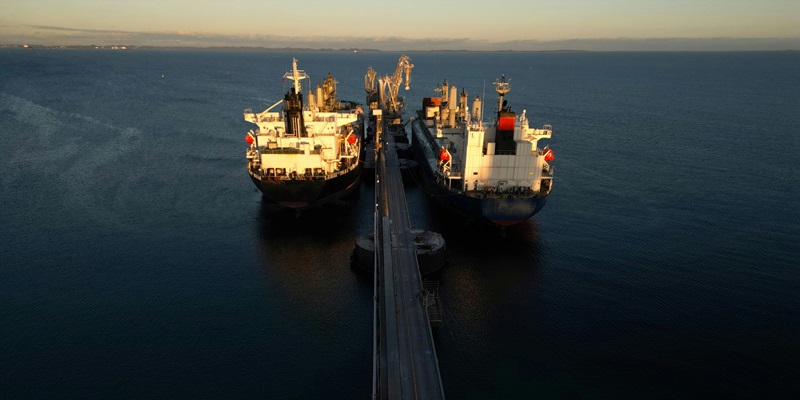
The maritime sector stands on the brink of a substantial shift, as newly proposed regulations are set to overhaul the labor landscape for seafarers. With a keen focus on enhancing job conditions and remuneration, this legislative movement bears particular significance for those operating on the vessels that ply the waters between France and the United Kingdom. As these cross-Channel ferries play a critical role in the connectivity and economies of both nations, impacted sea workers can anticipate a marked improvement in their professional lives. This change is anticipated to ripple through the industry, potentially setting a new standard for maritime employment and signaling a pivot towards heightened consideration for the welfare of those who navigate our seas. This legislation aims not only to advance workers’ rights but also to foster a safer, more equitable working environment aboard these international maritime routes.
Understanding the “Against Social Dumping on the English Channel” Law
France’s decisive legislative move to mandate a minimum wage for ferry workers equivalent to the French national minimum reflects a growing awareness of the need to safeguard the welfare of seafarers. The law serves to address the controversial practice of social dumping, where companies take advantage of less stringent regulations in certain jurisdictions to cut costs, often at the expense of workers’ rights and safety. By setting a clear baseline for compensation, France is effectively forcing a recalibration in the economics of maritime labor, pushing competing ferry operators to elevate their standards to comply with these more humane and equitable requirements.
The inception of this law is a watershed moment for an industry historically plagued by gaps in labor rights enforcement. With the introduction of required rest periods and France’s £9.96 per hour minimum wage, the new legislation aims to prevent the kinds of worker fatigue and exploitation that have been prevalent in maritime professions. This is a critical step towards ensuring that seafarers are granted the same protections and quality of life considerations as those working on land. The changes also bespeak a practical understanding that overworked crew members present safety and efficiency concerns that can ultimately impact the profitability and reputation of shipping companies.
P&O Ferries’ Response and Adjustments
P&O Ferries, a known name in maritime operations, is responding to France’s new rigorous laws by updating its employment protocols. This move echoes a wider initiative to enhance the maritime sector’s working standards. Adapting means P&O is revamping crew management, payroll, and overall employee appreciation strategies. Such a pivot is not only about adhering to the law but also about embracing a more ethical and lasting stance on maritime work ethics.
The interaction between P&O and Philcrew Management distinctly shows how national laws can steer corporate behavior. P&O’s effort to offer improved work conditions and equitable wages signifies a landmark shift in upholding the dignity of seafaring professionals. As these kinds of regulations become more prevalent, they are set to initiate a widespread reevaluation of maritime labor norms.
The Seafarers’ Wages Act 2023 and the UK’s Initiative
In a move that mirrors France’s commitment to maritime labor rights, the UK government has drafted the Seafarers’ Wages Act 2023. This prospective legislation is a clear signal that the UK seeks to ensure fair treatment for seafarers, stipulating compliance with the national minimum wage and establishing clear repercussions for employers who fail to meet these standards. Set for implementation in June 2024, the act strengthens the framework for safeguarding seafarers’ welfare and signals the UK’s intention to preempt exploitation within its jurisdiction.
The act is an essential advancement for an industry that has seen its workers routinely subjected to substandard wages and conditions. By addressing and penalizing non-compliance, the UK is promising to uphold a new benchmark of fairness and safety in the maritime sector. This dignified approach to maritime labor could have profound implications for crew morale, industry reputation, and the attractiveness of seafaring as a profession, potentially leading to a more stable and content workforce.
Stakeholder Perspectives and Advocacy Efforts
Advocates like Louise Haigh have praised the French government for their proactive stance on seafarer welfare, underscoring the importance of legislation in curbing abuses by ferry operators. While the introduction of protective measures has been met with optimism, there is a sustained call for a more comprehensive charter in the UK to ensure enduring protection for seafarers. Advocacy efforts continue to stress that without a binding statutory framework, there remains potential for workers to be exploited.
The industry’s response to these legislative changes has been, by necessity, adaptable. Employers are realizing the importance of not only meeting minimum standards set by recent laws but also anticipating future regulations by establishing best practices. This forward-leaning approach not only preemptively addresses regulatory requirements but also begins to reshape the industry’s culture toward greater responsibility and accountability for the treatment of its workforce.
The Future Landscape of Maritime Labor Rights
France’s new maritime regulations, alongside impending UK laws, signal significant changes in the maritime sector. Employers must now ensure adherence to tighter standards, advancing the push for fair seafarer wages and conditions. These reforms exemplify a global movement towards enhancing maritime workers’ rights, with legal shifts favoring their welfare.
The industry is adapting, with countries setting higher labor benchmarks. This reflects the widely accepted belief that the well-being of maritime workers is essential to the sector’s prosperity. As nations, businesses, and international entities work together to champion labor rights, the maritime field is poised for an enduring transformation. This consensus underscores that maintaining a well-treated workforce isn’t just ethical – it’s fundamental for industry success. This trend is expected to persist, with further global collaborations anticipated to bolster seafarers’ protections and industry standards.