

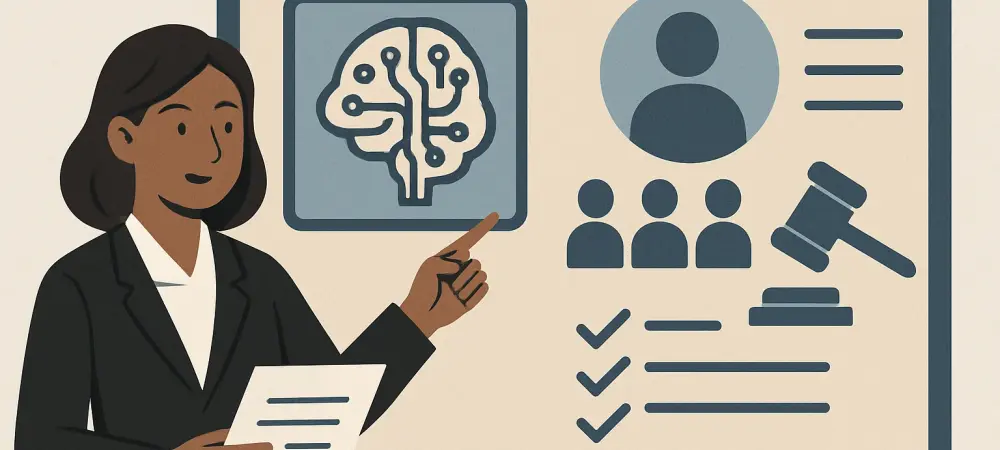
I’m thrilled to sit down with Ling-Yi Tsai, a renowned HRTech expert with decades of experience in helping organizations navigate the intersection of technology and human resources. Ling-Yi has a deep understanding of HR analytics tools and has been instrumental in integrating AI across recruitment, onboarding, and talent management processes. Today, we’ll explore how artificial intelligence is reshaping HR, the critical need for governance to ensure fairness and compliance, and practical strategies for managing risks while harnessing AI’s potential.
How has artificial intelligence started to transform HR operations in your experience?
AI is fundamentally changing how HR operates, from streamlining repetitive tasks to providing deeper insights into talent management. I’ve seen organizations use AI for everything from resume screening to predicting employee turnover through analytics. For instance, applicant tracking systems with AI can filter thousands of resumes in minutes, identifying top candidates based on skills and experience. It’s also being used in employee engagement through chatbots that answer benefits questions instantly. The efficiency gains are undeniable, but so are the challenges around ensuring these tools are used responsibly.
What do you see as the most significant advantage of integrating AI into HR processes like hiring or performance management?
The biggest advantage is the ability to process and analyze vast amounts of data quickly to make more informed decisions. In hiring, AI can match candidates to roles with a level of precision that manual processes can’t achieve, reducing time-to-hire significantly. In performance management, AI tools can aggregate feedback and metrics to provide a holistic view of an employee’s contributions, helping managers make fairer assessments. It’s about enhancing decision-making with data-driven insights, which can lead to better outcomes for both the organization and its people.
What are some of the major concerns you have about AI’s role in HR, particularly regarding fairness or privacy?
My primary concerns revolve around bias and data security. AI systems can unintentionally perpetuate biases present in the data they’re trained on, leading to unfair hiring or promotion decisions. For example, if historical hiring data favors certain demographics, the AI might replicate those patterns. Privacy is another huge issue—HR deals with incredibly sensitive information, like personal health data or salary details. If AI tools aren’t secure, or if data is mishandled, it can erode trust and even lead to legal issues. These risks make governance absolutely critical.
Why do you believe HR departments should take the lead in establishing AI governance within organizations?
HR is uniquely positioned to lead on AI governance because we’re at the forefront of using these tools and directly responsible for fairness and employee trust. We handle processes that impact people’s livelihoods—hiring, promotions, terminations—so any misuse of AI can have profound consequences. HR understands the ethical implications and the need for compliance with employment laws better than most departments. By taking the lead, we can ensure AI is used in a way that aligns with organizational values and protects our people.
What kinds of risks do HR departments face if they use AI without proper oversight?
Without oversight, the risks are substantial. There’s the potential for biased decision-making, like AI tools filtering out qualified candidates based on flawed criteria, which can lead to discrimination lawsuits. There’s also the danger of data breaches—AI systems often access sensitive employee information, and a single lapse can expose that data. Additionally, lack of transparency can damage trust; if employees or candidates don’t know how AI influences decisions about them, they may feel dehumanized or unfairly treated. These issues can harm both reputation and bottom line.
How can strong AI governance help build trust among employees and job candidates?
Strong governance builds trust by ensuring transparency and accountability. When HR communicates clearly about how AI is used—say, explaining that a tool screens resumes but final decisions involve human review—it reassures people that the process isn’t a black box. Governance also involves regular audits for bias and errors, showing a commitment to fairness. I’ve seen companies publish AI usage policies for candidates and employees to read, which demystifies the technology and fosters confidence that their interests are being protected.
How do you think HR should prepare for the evolving regulatory landscape around AI, even before specific laws are enacted?
HR should adopt a proactive stance by staying informed about emerging legislation and aligning practices with best standards now. This means following frameworks like the NIST AI Risk Management Framework to build robust governance structures. I’d recommend starting with an inventory of all AI tools in use to understand their scope and risks. Training staff on potential compliance issues and partnering with legal teams to anticipate requirements is also key. By building flexibility into governance policies, HR can adapt quickly when new laws come into effect.
Can you explain how a framework like the NIST AI Risk Management Framework could be applied to HR policies?
Absolutely. The NIST framework offers a structured approach with functions like Govern, Map, Measure, and Manage. For HR, ‘Govern’ means setting clear policies on AI use, like defining who approves new tools and establishing ethical guidelines. ‘Map’ involves cataloging every AI system in HR—think resume screeners or chatbots—and understanding their impact. ‘Measure’ is about assessing risks, such as testing for bias in hiring algorithms. Finally, ‘Manage’ focuses on mitigating those risks, perhaps by adding human oversight to AI decisions. It’s a practical roadmap for ensuring AI is trustworthy in HR.
How do the needs for AI governance differ across various HR functions like recruitment versus employee relations?
The needs vary significantly because each HR function has unique goals and risks. In recruitment, AI governance must prioritize bias prevention since tools like resume screeners can unfairly exclude candidates if not monitored. In employee relations, where AI might power chatbots for benefits inquiries, the focus shifts to data privacy and accuracy—ensuring personal information is secure and responses are correct. Performance management requires transparency so employees understand how AI influences evaluations. Governance must be tailored to address these specific challenges while maintaining consistent standards across HR.
What is your forecast for the future of AI governance in HR over the next decade?
I believe AI governance in HR will become a cornerstone of organizational strategy over the next decade. As AI adoption grows, we’ll see more sophisticated tools for talent matching, employee development, and predictive analytics, but with that comes tighter regulation and higher expectations for fairness. I expect governance to evolve into a specialized field within HR, with dedicated roles and mandatory training on risk management. Organizations that invest in governance now will lead the way, balancing innovation with trust and compliance in an increasingly AI-driven workplace.