

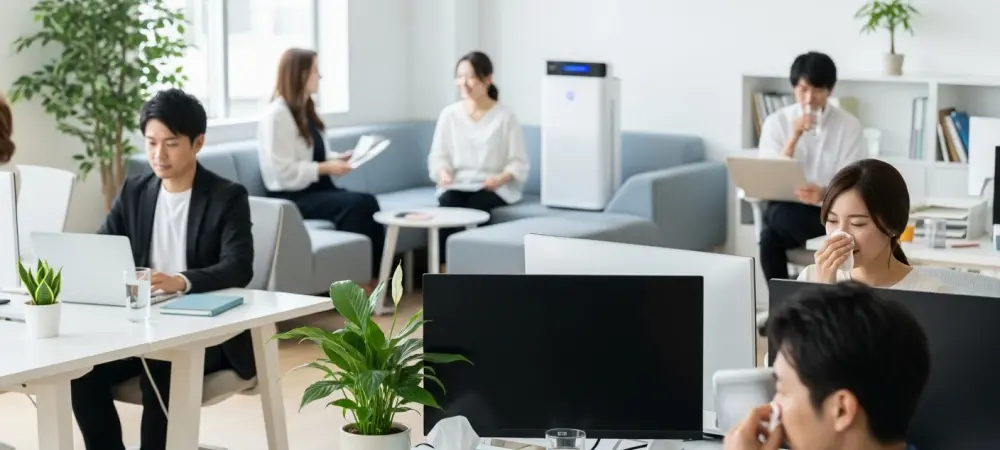
The pervasive presence of microscopic pollen particles often transforms a standard workday into a struggle for focus and physical comfort for a significant portion of the modern professional workforce. Seasonal allergies, often dismissed as a minor nuisance, represent a significant hurdle to operational efficiency and employee well-being. This guide explores how environmental adjustments, infrastructure upgrades, and flexible policies can mitigate the impact of hay fever. By transitioning from a reactive to a proactive stance, employers can protect their workforce from the debilitating effects of high pollen counts and airborne irritants.
Addressing the Invisible Barrier to Workplace Productivity
The office environment frequently acts as a silent incubator for allergens, where poor air circulation and outdoor contaminants merge to create a challenging atmosphere for sensitive individuals. When an employee experiences a constant stream of symptoms, the focus required for complex tasks begins to dissolve. This barrier is often invisible to management but manifests clearly in the slowing of project timelines and a noticeable dip in team morale during the spring and summer months.
Effective management of these conditions requires more than occasional sympathy; it demands a systematic overhaul of how the workspace interacts with the outside world. This transition toward a more controlled micro-environment involves a blend of technical upgrades and cultural shifts. By acknowledging that air quality is a foundational element of office safety, leadership can foster a space where physical health directly supports mental performance.
The Staggering Economic and Operational Cost of Hay Fever
The financial burden of seasonal allergies is far more substantial than many organizations realize. Research indicates that hay fever can decrease individual workplace performance by up to 40%, leading to presenteeism where employees are physically present but mentally disengaged. This phenomenon is often more costly than absenteeism because it results in lingering errors and a general slowdown of critical business processes over an extended period.
Understanding the technical triggers of respiratory sensitivities is essential for maintaining a competitive and healthy corporate environment. With millions of workdays lost annually to these symptoms, the economic impact is clear. Organizations that fail to address these environmental factors often see a measurable decline in output, making it imperative to treat allergy management as a serious fiscal strategy rather than a secondary wellness perk.
A Proactive Framework for Mitigating Seasonal Allergy Symptoms
Creating a resilient office requires a shift in how daily operations are perceived. A proactive framework moves away from simply offering tissues and instead focuses on the mechanical and behavioral sources of discomfort. This approach ensures that the root causes of allergen infiltration are addressed before they can disrupt the flow of work.
Step 1: Controlling Pollen Transfer Through Environmental Habits
The first line of defense involves managing how allergens physically enter and move through the office space. Small changes in daily routines can significantly reduce the concentration of pollen in personal work zones. By establishing these habits, the office becomes a sanctuary from the high concentrations of irritants found in the outdoor world.
Relocating Outerwear to Enclosed Storage Areas
Many employees unknowingly bring allergens to their desks by hanging coats on the back of their chairs. Moving garments to designated coat racks or enclosed cupboards outside the main workspace prevents pollen from shedding near an employee’s face throughout the day. This simple administrative change drastically reduces the volume of allergens that settle into carpets and upholstery near desks.
Prioritizing Soap and Water Over Hand Sanitizer
While alcohol-based sanitizers are effective against germs, they do not physically remove pollen from the skin. Encouraging frequent hand washing with soap and water after commutes ensures that allergens are washed away rather than spread across keyboards and desks. This practice is particularly important after lunch breaks or outdoor meetings when the likelihood of physical contamination is at its highest.
Step 2: Optimizing Indoor Air Quality and Infrastructure
The physical building must act as a filter to keep the indoor environment breathable. Relying on standard ventilation is often insufficient during peak allergy seasons when the outdoor air is saturated with particles. Advanced infrastructure ensures that the air inside remains significantly cleaner than the air outside.
Implementing HEPA Filtration and Standalone Purifiers
Standard air conditioning systems often recirculate allergens unless they utilize HEPA filtration. Employers should upgrade building filters or deploy standalone air purifiers in high-traffic areas to capture microscopic pollen and dust particles. These units provide a secondary layer of protection, scrubbing the air in real-time to maintain a high standard of purity that supports respiratory health.
Managing Office Greenery to Prevent Secondary Triggers
Indoor plants can harbor mold spores in their topsoil if not properly maintained. Regular soil replacement and controlled watering schedules prevent mold growth, which can exacerbate respiratory issues for sensitive staff members. While greenery offers aesthetic benefits, it must be managed carefully to ensure that it does not contribute to the overall allergen load of the room.
Step 3: Utilizing Data-Driven Flexible Scheduling
Understanding when specific pollens peak allows management to offer targeted flexibility that minimizes exposure for at-risk employees. By using local environmental data, managers can make informed decisions that respect the biological realities of allergy sufferers while maintaining consistent output.
Aligning Remote Work with Daily Pollen Cycles
Pollen levels fluctuate predictably throughout the day based on the specific species involved. Allowing staff to adjust their start times or work from home during these specific windows can prevent severe symptom flare-ups and ensure that work is performed during periods of maximum comfort.
Enforcing a “Windows-Closed” Policy During Peak Hours
Maintaining a sealed environment during high-pollen intervals is a cost-effective way to manage air quality. Establishing clear office protocols regarding open windows ensures that outdoor allergens remain outside. This policy creates a predictable and stable environment, allowing mechanical filtration systems to work with maximum efficiency without competing against a constant influx of outdoor air.
Core Tactics for a Pollen-Free Professional Environment
Success in this area relies on the consistent application of physical and administrative controls. Isolating outerwear in enclosed storage areas effectively removes a major source of stationary allergens from the immediate breathing zone of the staff. Furthermore, prioritizing physical hygiene through hand washing prevents the mechanical transfer of irritants to communal equipment and personal devices.
The integration of HEPA filters and purifiers transforms the office into a high-performance environment where air quality is actively managed. When combined with the careful maintenance of office greenery to avoid mold growth, these tactics form a comprehensive defense. Offering flexible work hours based on real-time pollen data provides the final layer of protection, allowing the most sensitive team members to avoid the peak hours of environmental stress.
Adapting Allergy Management to the Modern Future of Work
As the workforce trends toward more personalized health and wellness initiatives, managing the office micro-environment is becoming a standard part of HR policy. Modern developments now include real-time air quality monitoring systems and integrated wellness apps that alert employees to local pollen spikes. These tools allow for a more dynamic response to environmental challenges, ensuring that the office remains a safe space regardless of external conditions. Addressing these challenges today positions an organization as an inclusive, forward-thinking employer that values the physical health of its staff as much as its output. The move toward data-integrated environments signifies a broader commitment to employee retention and operational excellence. By investing in these systems, companies create a sustainable model for workplace wellness that adapts to the shifting needs of a diverse workforce.
Conclusion: Strengthening the Bottom Line Through Employee Wellness
The comprehensive strategy for managing seasonal allergies demonstrated that productivity is inextricably linked to the physical environment. By integrating mechanical filtration with smarter personal habits, organizations successfully removed the hidden obstacles that previously hindered performance. These interventions proved that when the office acted as a filter rather than a funnel for allergens, the focus of the team remained sharp.
Managers who adopted flexible scheduling based on pollen cycles found that employee engagement remained high even during the most difficult seasons. This evolution in administrative policy transitioned the office from a static space into a responsive environment. Ultimately, the focus on air quality and environmental control established a new standard for workplace wellness that prioritized the health and clarity of every team member.