

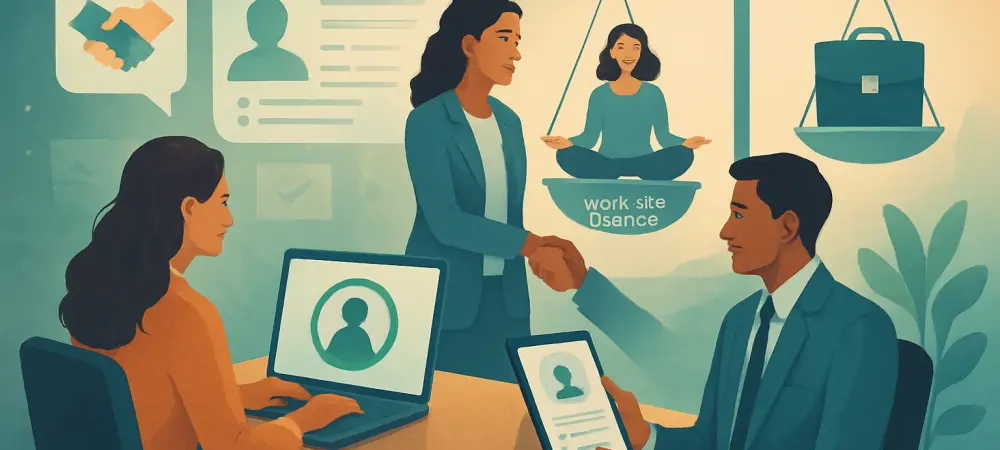
I’m thrilled to sit down with Ling-Yi Tsai, a seasoned HRTech expert with decades of experience helping organizations navigate change through innovative technology. With her deep expertise in HR analytics and the integration of tech solutions in recruitment, onboarding, and talent management, Ling-Yi offers a unique perspective on the evolving dynamics of workplace loyalty, employee relations, and the balance between personal and professional priorities. Today, we’ll explore her insights on managing conflicts around leave requests, the concept of mutual respect in the workplace, and how technology can help bridge gaps between employers and employees.
How do you see the balance between personal priorities and workplace demands playing out in modern organizations, especially in high-pressure situations like busy seasons?
It’s a delicate balance, and one that’s often misunderstood. Employees today value flexibility and recognition of their personal lives more than ever, but many organizations still operate on rigid structures, especially during peak times. I’ve seen cases where a simple leave request, like for a family event, becomes a flashpoint because the company prioritizes operational needs over individual circumstances. The tension arises when there’s no dialogue or attempt to find a middle ground. Technology can help here—tools like workforce management systems can predict staffing shortages and suggest solutions before a conflict even starts. But beyond tech, it’s about fostering a culture where employees feel heard, not just needed.
What are some common reasons leave requests get denied, and how can companies better handle these situations to avoid frustration or turnover?
Often, denials stem from genuine operational constraints—short staffing, critical deadlines, or seasonal demands. I’ve worked with companies where managers feel they have no choice but to say no because they’re under pressure themselves. However, the way the decision is communicated matters immensely. If a manager simply cites policy without exploring alternatives, it can feel dismissive. I advocate for transparency—explain the ‘why’ behind the denial and work collaboratively on options, like partial time off or shift swaps. HR tech can also play a role by automating leave planning and flagging potential conflicts early, so managers aren’t caught off guard. When employees see effort, even if the answer is still no, it builds trust.
When an employee decides to resign over a denied request, how should managers respond to maintain a respectful and constructive dialogue?
First, managers need to step back from taking it personally. Resignation, especially over a personal matter, isn’t necessarily a jab at the company—it’s often about the employee asserting their boundaries. I’ve advised leaders to focus on understanding the employee’s perspective during exit conversations. Ask what led to the decision and acknowledge their contributions. Calling someone ‘disrespectful’ for leaving, as we sometimes see, only burns bridges and damages the company’s reputation. Instead, use the moment to learn. Was there a missed opportunity for compromise? Could policies be more flexible? This approach turns a departure into a chance for growth.
How do you interpret the concept of loyalty in today’s workplace, and what can organizations do to ensure it’s a two-way street?
Loyalty isn’t what it used to be. Decades ago, it often meant staying with one company for life, but now it’s more about mutual respect and shared value. Employees want to feel that their dedication—whether it’s covering shifts or going the extra mile—is reciprocated through fair treatment, flexibility, and support. I’ve seen organizations foster this by integrating employee feedback into policy changes and using HR analytics to track engagement and burnout. For example, if data shows high turnover after denied leave, it’s a signal to rethink policies. Loyalty today means both sides investing in each other, not just expecting sacrifice from employees.
What role do you think technology can play in preventing conflicts over leave requests or resignations during critical business periods?
Technology is a game-changer in this space. Advanced HR systems can forecast staffing needs months in advance, alerting managers to potential shortfalls before a request even comes in. I’ve implemented tools that allow employees to see real-time team schedules and suggest shift trades themselves, reducing the burden on managers. Analytics can also identify patterns—like frequent leave denials leading to disengagement—so leaders can act proactively. Beyond that, tech can facilitate better communication, like automated reminders for managers to follow up empathetically on requests. It’s not a complete fix, but it creates a framework where conflicts are less likely to escalate to the point of resignation.
What is your forecast for how workplace loyalty and employee expectations will evolve in the coming years?
I believe we’re heading toward a more individualized understanding of loyalty. Employees will continue to prioritize personal well-being and flexibility, and companies that adapt by offering tailored benefits—like customizable leave policies or remote work options—will stand out. Technology will drive this shift, with AI and data analytics helping employers anticipate employee needs rather than just react to them. However, the human element will remain key. If organizations can’t pair tech with genuine empathy and open communication, they’ll struggle to retain talent. I think we’ll see loyalty redefined as a partnership, where both sides continuously negotiate boundaries and expectations to create a sustainable relationship.