

Introduction
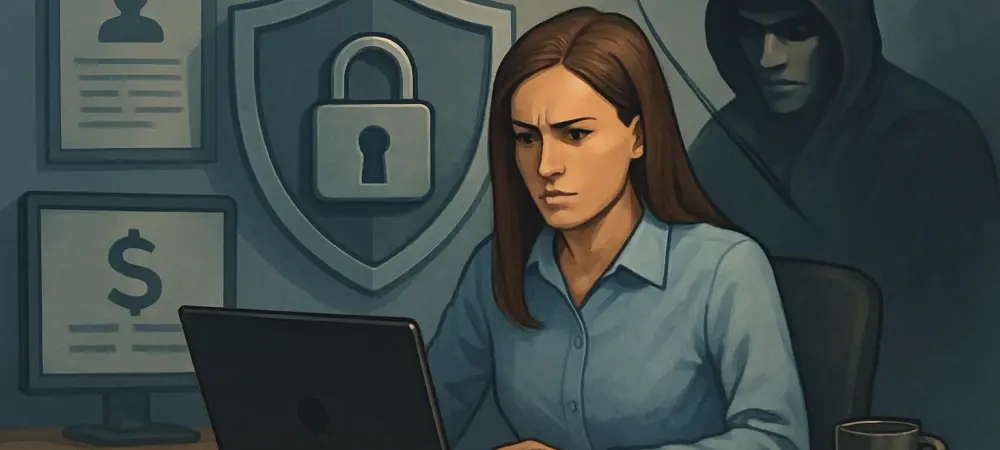
In an era where cybercriminals send over 3.4 billion phishing emails daily, HR and payroll departments stand as prime targets for sophisticated fraud attempts, managing some of the most sensitive data within an organization, from employee personal information to financial details. This vulnerability makes them susceptible to scams that can lead to significant financial loss and reputational damage, a risk amplified by the rise of remote work as scammers exploit digital communication channels with increasing cunning.
This article aims to provide clear guidance on protecting HR and payroll systems from scams by addressing key questions and challenges surrounding cybersecurity in these areas. Readers can expect to explore practical strategies, understand the evolving nature of threats like phishing and social engineering, and learn actionable steps to safeguard critical data. The focus will be on fostering awareness and implementing robust processes to mitigate risks effectively.
Key Questions or Key Topics
What Are the Main Threats to HR and Payroll Systems?
Cybercriminals are deploying advanced tactics such as social engineering, where they impersonate employees or executives to trick HR staff into altering payroll details or disclosing confidential information. The advent of AI-generated messages and deepfake technology has made these fraudulent attempts harder to detect, increasing the likelihood of successful breaches. Phishing remains the dominant threat, often disguised as legitimate communication from trusted sources, targeting unsuspecting employees.
These threats are particularly concerning because a single lapse in judgment can result in severe consequences, including data breaches and financial fraud. HR teams, often preoccupied with multiple responsibilities like compliance and recruitment, may overlook subtle red flags in urgent messages. Understanding the scope of these dangers is the first step toward building a resilient defense against such attacks.
How Can Phishing Scams Be Identified?
Phishing scams typically involve fraudulent messages that appear to come from credible sources, such as a payroll provider or a senior manager, urging immediate action to create panic. These communications may arrive via email, text (known as smishing), or phone calls (referred to as vishing), and often aim to extract sensitive data or prompt harmful clicks. Fake websites mimicking legitimate company portals are also common tools used to steal login credentials.
Spotting these scams requires a keen eye for detail, such as checking the sender’s email address for slight discrepancies or looking for grammatical errors that might indicate fraud. A critical mindset is essential—any request that seems unusual or overly urgent should be verified through a separate, trusted communication channel. Slowing down to assess the situation can prevent costly errors and protect organizational data.
Why Is Ongoing Cybersecurity Training Essential for HR Teams?
Ensuring that all staff handling sensitive employee information are well-versed in recognizing cyber threats is vital for maintaining security. Small and mid-sized organizations, often perceived as having weaker defenses, are frequent targets for scammers looking to exploit gaps in awareness. Without proper education, employees may inadvertently cause breaches that lead to penalties under regulations like GDPR.
Training programs should be a regular part of HR operations, equipping teams with the knowledge to identify phishing attempts and other fraudulent activities. Resources from reputable entities, such as the US Cybersecurity and Infrastructure Security Agency (CISA), offer valuable starting points for developing these skills. Consistent education fosters a culture of vigilance that can significantly reduce the risk of successful attacks.
How Should Suspicious Emails Be Handled?
Phishing messages often rely on creating a sense of urgency, pressuring recipients to act without thorough scrutiny by using phrases like “update now” or “immediate action required.” Such tactics aim to distract from obvious signs of deceit, such as unusual sender addresses or unexpected attachments. Taking a moment to pause and evaluate these communications is crucial in avoiding potential traps. Instead of responding directly to questionable emails, verifying the request through a known contact or official channel is advisable. Checking for inconsistencies in the message and refraining from opening any links or files from unverified sources can prevent unauthorized access. A simple phone call to confirm the legitimacy of a request might save an organization from significant harm.
What Steps Should Be Taken if a Scam Is Suspected?
If there’s a suspicion that a fraudulent message has been engaged with or sensitive data has been shared, immediate action is necessary to limit damage. Reporting the incident to the IT or security team without delay allows for quick containment measures, such as isolating affected systems or resetting compromised credentials. Timely intervention can curb the spread of a potential threat across the organization.
Delaying a response can exacerbate the impact, allowing cybercriminals to exploit accessed information further. Establishing a clear protocol for reporting such incidents ensures that all employees know the appropriate steps to follow. Swift communication with relevant departments is a key component in minimizing the fallout from a security breach.
How Can Data Sharing Be Secured in HR Processes?
Sending sensitive information like payroll spreadsheets via email, even with password protection, poses significant risks due to the potential for interception. Utilizing encrypted file transfer tools or secure HR platforms with built-in access controls and audit trails offers a safer alternative. These methods ensure that data remains protected during transmission and storage.
When working remotely, connecting only to trusted Wi-Fi networks is essential to avoid exposure on public connections, such as those in cafes, where cybercriminals may lurk. Implementing strict guidelines for data handling, especially in distributed work environments, helps maintain confidentiality. Adopting secure practices reduces the chances of unauthorized access to critical information.
What Precautions Are Needed During Recruitment to Avoid Scams?
Recruitment processes are increasingly targeted by fraudsters who submit malware-infected resumes or create fake candidate profiles and job postings to deceive HR teams. These scams can compromise systems or extract personal data from unsuspecting staff. Vigilance during hiring is necessary to prevent such threats from infiltrating an organization. Verifying candidate identities before proceeding with interviews and using secure recruitment platforms can mitigate risks. HR personnel should be trained to spot inconsistencies in applications and avoid downloading files from unknown sources. These small but effective checks can protect against significant disruptions during the hiring process.
Why Are Secure Systems and Smart Processes Critical for HR and Payroll?
Relying on manual or email-based processes for managing sensitive data increases the likelihood of human error and exposure to scams. Transitioning to centralized, integrated HR and payroll systems can minimize these vulnerabilities by limiting data duplication and restricting access to authorized personnel only. Such platforms enhance overall security through structured safeguards.
Implementing smart processes also streamlines operations, reducing the opportunities for mistakes that scammers might exploit. Regularly updating security protocols and ensuring that systems are equipped with the latest protections are fundamental steps in safeguarding information. A proactive approach to technology adoption can significantly bolster defenses against cyber threats.
Summary or Recap
This article addresses the pressing need to protect HR and payroll systems from sophisticated scams by exploring key threats like phishing and social engineering. It highlights the importance of identifying fraudulent communications, securing data sharing, and maintaining vigilance during recruitment. Practical strategies, such as ongoing cybersecurity training and the adoption of secure platforms, are emphasized as essential components of a robust defense.
The main takeaway is that cybersecurity is a shared responsibility requiring consistent awareness and proactive measures across all levels of an organization. By embedding these practices into daily operations, risks can be minimized, and employee data can be safeguarded. For those seeking deeper insights, exploring resources from reputable cybersecurity organizations is recommended for further learning and implementation.
Conclusion or Final Thoughts
Reflecting on the insights shared, it becomes evident that staying ahead of cybercriminals demands a blend of technology and human diligence in HR and payroll environments. The evolving landscape of threats necessitates a commitment to continuous improvement in security practices. Organizations that prioritize these efforts see a marked reduction in vulnerabilities over time. Looking ahead, consider evaluating current systems and training programs to identify gaps that might expose sensitive data. Investing in secure tools and fostering a culture of skepticism toward suspicious requests can serve as the foundation for long-term protection. Taking these steps ensures that HR and payroll departments remain resilient against the ever-changing tactics of fraudsters.