

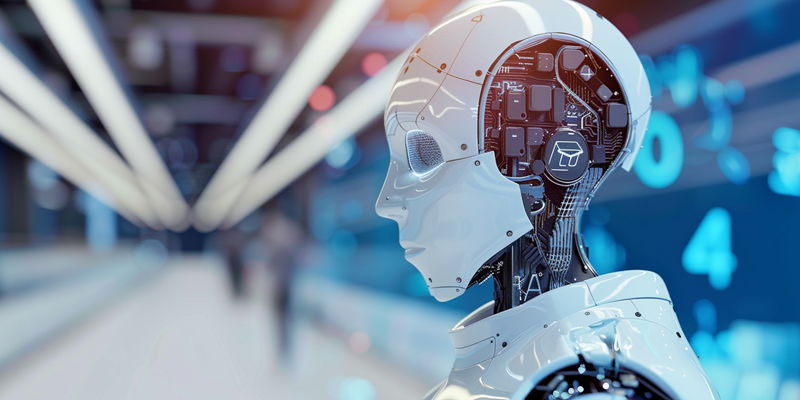
The integration of artificial intelligence (AI) and chatbots into human resources (HR) is transforming how organizations engage with employees. In today’s fast-paced digital landscape, these technologies bring unprecedented efficiency and personalization to HR practices. This article delves into the key ways AI and chatbots are reshaping HR and employee interactions, examining their impact on routine HR tasks, performance management, training, mental health support, and overall employee engagement. The move towards automating repetitive tasks and providing personalized experiences is not just a passing trend but a significant shift that promises to redefine the future of work.
AI and Chatbots for Instantaneous HR Support
AI chatbots have revolutionized the way HR departments handle routine inquiries. Traditionally, employees had to wait for HR personnel to respond to questions about benefits, leave policies, and payroll details. Now, AI chatbots provide instant answers, available 24/7, reducing the burden on HR staff. This immediate access to information not only enhances efficiency but also improves the employee experience by providing quick, accurate responses. Moreover, these chatbots are continuously learning and evolving. Advanced natural language processing capabilities allow them to understand context and nuances in employee queries, leading to more precise and relevant answers. By automating repetitive and time-consuming tasks, chatbots free HR professionals to focus on more strategic initiatives.
Furthermore, the constant learning ability of these AI chatbots means they get better over time, offering increasingly accurate and helpful responses. This continuous improvement ensures that employees do not just receive generic answers but get assistance tailored to their specific needs. The role of AI chatbots goes beyond simple Q&A; they can also guide employees through complex processes like benefits enrollment, thereby reducing errors and saving time. The efficiency gains provided by these chatbots are invaluable, helping companies streamline operations and maintain high levels of employee satisfaction.
Performance Metrics and Real-Time Feedback
AI’s role in performance management cannot be overstated. Unlike traditional methods that rely on periodic reviews, AI systems constantly track and analyze employee performance metrics. These real-time insights enable managers to provide timely feedback, essential for continuous improvement and development. These AI systems help in recognizing patterns and identifying potential issues before they become significant problems. For instance, declining performance metrics could trigger an intervention, facilitating support or additional training. This data-driven approach ensures that decisions regarding promotions, rewards, and professional growth are based on objective criteria, enhancing fairness and transparency.
In addition to tracking performance, AI can also assist in setting realistic and achievable goals for employees. By analyzing historical data and current performance trends, the system can suggest goals that are challenging yet attainable, thereby motivating employees. Furthermore, real-time feedback enabled by AI ensures that employees are constantly aware of their performance levels, allowing them to make adjustments as needed. This dynamic and responsive approach to performance management helps in building a proactive workforce that is always aligned with organizational goals. The continuous monitoring and immediate feedback also mean that issues can be addressed promptly, preventing small problems from escalating.
Personalized Training and Development Programs
AI’s capacity to assess and analyze individual performance extends to personalization in training and development. No longer is professional development a one-size-fits-all solution. AI tools tailor training programs to meet the specific needs and career goals of each employee, based on their performance data and learning styles. This customization not only helps employees enhance their skills but also aligns their growth with organizational goals. Employees feel more valued and motivated to excel when they receive training that directly impacts their career trajectory. Additionally, these programs can adapt in real-time, offering new learning paths as employees evolve in their roles.
Moreover, AI-driven training programs can include a variety of learning formats, from video tutorials to interactive simulations, catering to different learning preferences. This diverse range of training methods ensures that all employees, regardless of their learning style, receive effective and engaging training. As employees complete these personalized training modules, AI systems can track their progress and provide additional resources as needed. This ongoing support helps in creating a culture of continuous learning within the organization. Furthermore, the data collected through these AI systems can be used to identify skill gaps within the workforce, enabling targeted training programs that address specific needs, thereby driving overall organizational growth.
Automation of Repetitive HR Tasks
Efficiency gains from AI are perhaps most evident in the automation of routine HR tasks. Processes like payroll administration, benefits management, and attendance tracking are now streamlined through AI technologies. By handling these repetitive duties, AI allows HR professionals to engage in higher-order activities such as strategic planning and employee engagement initiatives. The reduction in manual workload also diminishes the likelihood of errors, ensuring higher accuracy in critical HR functions. Furthermore, automated systems are scalable, capable of managing a growing number of employees with no additional strain on resources, making them ideal for growing businesses.
Additionally, AI-driven automation provides a reliable and consistent approach to handling these tasks, ensuring that there are no delays or inconsistencies. This reliability is particularly crucial in functions like payroll, where even minor errors can lead to significant dissatisfaction among employees. By automating these processes, organizations can ensure that they are always compliant with labor laws and regulations, thereby avoiding potential legal complications. Moreover, the data generated by these automated systems can be used for analytics and reporting, providing valuable insights into workforce trends and helping in better decision-making. In sum, the automation of routine HR tasks not only boosts operational efficiency but also empowers HR teams to be more strategic and impactful.
AI and Mental Health Support
Mental health in the workplace has become a critical focus, and AI chatbots play a significant role in this area. These chatbots can conduct preliminary assessments, provide mental health resources, and guide employees to appropriate professional help when necessary. This first line of support is crucial for early intervention and ensures employees have access to the help they need. AI’s role in mental health support extends to monitoring workplace stress and morale. By analyzing patterns in communication and behavior, AI systems can alert HR to potential mental health issues, allowing for proactive measures to support affected employees. This holistic approach underscores the importance of employee well-being in organizational success.
Moreover, AI algorithms are increasingly sophisticated, capable of detecting subtle signs of stress or burnout that might be missed by human eyes. These systems can monitor various data points like email tone, frequency of late working hours, and even social media activity to identify employees who might be struggling. Once an issue is flagged, HR can take proactive steps to offer support, whether through professional counseling services or stress management programs. This proactive approach to mental health not only helps in creating a supportive work environment but also improves overall productivity by ensuring employees are in good mental health. The integration of AI in mental health support is a testament to how technology can be leveraged to create more humane workplaces.
Balancing AI Efficiency with Human Touch
While the benefits of AI and chatbots are substantial, there is a crucial need to maintain a human touch in HR interactions. Employees still value personal connection, empathy, and understanding that only human HR professionals can provide. To address this, advanced AI algorithms are designed to recognize and respond to human emotions, ensuring that interactions remain empathetic and emotionally intelligent. Transparency about when employees are interfacing with AI versus human support is vital to building trust. Clear communication about the role of AI in HR processes helps employees feel more comfortable and assured that their concerns are being handled appropriately.
Furthermore, combining AI efficiency with human empathy creates a balanced approach that enhances overall employee satisfaction. While AI can handle routine tasks and provide immediate responses, human HR professionals can focus on more complex and sensitive issues that require a personal touch. This balanced approach ensures that employees receive the best of both worlds—efficiency and empathy. Organizations can achieve this balance by clearly defining the roles of AI and human HR personnel, ensuring that each complements the other. By maintaining this equilibrium, companies can build a more trusting and engaged workforce, fostering a positive organizational culture.
Future of Employee Engagement with AI
The future of employee engagement is increasingly intertwined with AI and data analytics. Real-time feedback mechanisms, replacing traditional annual reviews, offer continuous opportunities for improvement and development. This dynamic approach caters to an evolving workforce that values agility and responsiveness. Moreover, AI facilitates the adaptation to remote and hybrid work models, providing tools for digital collaboration, performance tracking, and engagement strategies suited to flexible work environments. AI-driven personalization ensures that engagement efforts are tailored to individual employees’ needs, fostering a more inclusive and participative organizational culture.
Additionally, AI can help in creating more engaging and interactive experiences for employees. For instance, virtual reality (VR) training sessions and AI-powered gamification of tasks can make everyday work more engaging and enjoyable. These innovative approaches can help in reducing monotony and keeping employees motivated. Furthermore, AI-driven insights can help in identifying engagement bottlenecks and areas of improvement, enabling organizations to take timely actions. The ability to offer personalized and real-time engagement initiatives means that organizations can keep their workforce motivated and aligned with organizational goals, thereby driving overall productivity and satisfaction.
Emphasis on Employee Well-Being
Integrating artificial intelligence (AI) and chatbots into human resources (HR) is revolutionizing how organizations interact with their workforce. In today’s rapid digital era, these technologies bring unmatched efficiency and personalized approaches to HR functions. This discussion explores how AI and chatbots are transforming HR practices and employee engagement, focusing on their effects on routine HR tasks, performance management, training, mental health support, and overall employee interaction. Automating repetitive tasks while offering tailored experiences signifies more than just a fleeting trend; it represents a monumental shift poised to redefine the landscape of work. For instance, AI-driven chatbots handle routine inquiries, freeing HR professionals to focus on strategic initiatives. Performance management systems now leverage AI to provide real-time feedback, enabling employees to grow continuously. Moreover, AI tools can identify employees’ learning needs, offering personalized training modules. AI and chatbots also extend support for mental health, providing timely resources and assistance. This technological shift sets the stage for a more efficient, responsive, and engaging workplace.