

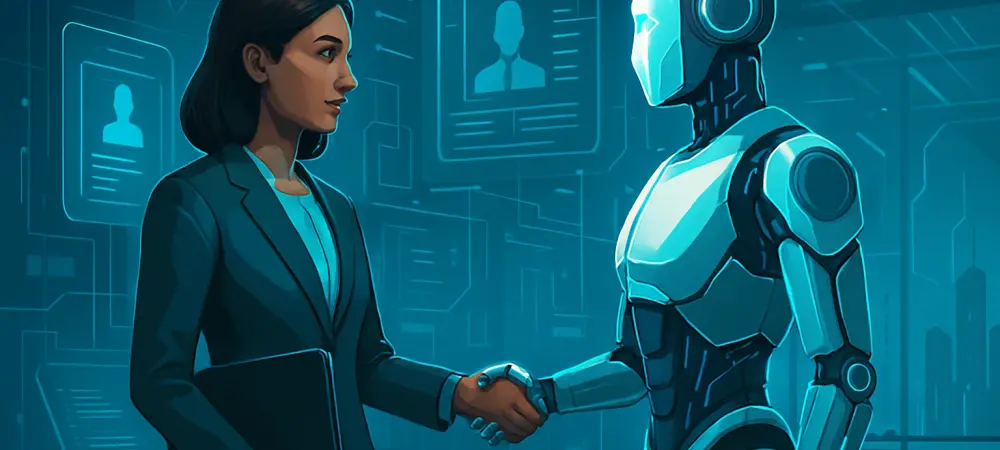
What happens when a $100,000 visa fee slams the door on global talent, while AI tools quietly replace high-salary roles in the blink of an eye? This isn’t a far-off concern but a pressing reality for HR professionals and business leaders in 2025, as the intersection of policy upheaval and technological transformation creates a perfect storm, forcing companies to rethink how they hire, manage, and retain employees. Dive into this seismic shift as it unfolds, revealing challenges and opportunities that could redefine the workplace for years to come.
A Storm Brewing in HR: Are Companies Prepared for the Shift?
The HR landscape is facing unprecedented turbulence as multiple forces collide with staggering impact. A recent executive order has imposed a $100,000 fee on H-1B visa petitions, sending shockwaves through industries reliant on international talent. At the same time, AI is automating roles faster than many can adapt, leaving employees and employers alike grappling with uncertainty. These disruptions aren’t just numbers on a spreadsheet—they’re reshaping the very fabric of workforce dynamics, demanding immediate attention from every corner of the corporate world.
This moment represents a critical juncture for HR, where strategic decisions could mean the difference between thriving and merely surviving. The stakes are high for CEOs managing tight budgets, HR managers navigating compliance minefields, and employees worried about job security. Understanding these changes isn’t optional; it’s essential for anyone invested in the future of work, as the ripple effects of today’s policies and technologies will echo well into the coming years.
HR at a Pivotal Crossroads in Today’s Climate
The pressures on HR have never been more intense, with policy changes and tech advancements creating a complex web of challenges. The H-1B fee hike, enacted through an executive order on September 19, 2025, has erected a financial barrier that could choke off access to skilled foreign workers. Tech giants and startups are already reevaluating their hiring models, with many questioning whether domestic talent can fill the gaps despite persistent skill shortages in key areas like software development.
Beyond policy, the rapid rise of automation adds another layer of complexity to HR’s role. AI is no longer a buzzword but a tool actively replacing jobs, particularly those with high salaries or lacking tech proficiency. Meanwhile, employee morale is taking a hit in the wake of widespread layoffs, compounding the sense of instability. Legal disputes over worker rights further muddy the waters, turning HR into a battleground for compliance and trust, far beyond its traditional scope of recruitment and retention.
Breaking Down the Forces Redefining HR Dynamics
Several distinct yet interconnected disruptions are driving this HR upheaval, each with profound implications. The $100,000 H-1B visa fee stands out as a game-changer, forcing companies to weigh the cost of international hires against budget constraints. This policy shift, implemented just weeks ago, has sparked debates about its long-term impact on innovation, especially in sectors like technology where global expertise is often critical.
Employee sentiment is another casualty of the current climate, with Glassdoor data showing a 0.13-point drop in employer ratings on a five-point scale following layoffs. This decline, steeper for top-rated firms, reflects a deeper erosion of trust among remaining staff who feel vulnerable and undervalued. Additionally, legal battles are intensifying, exemplified by Starbucks workers in several states suing over unreimbursed uniform costs averaging $253.50 per employee, highlighting the growing scrutiny on labor law compliance. Finally, AI’s dual nature emerges as both a boon and a threat—while 3 in 10 companies have replaced roles with AI per Resume.org, PayrollOrg notes that 34% of Americans distrust AI in payroll calculations, with 45% opposing its use for inquiries, signaling a significant trust gap in tech adoption.
Real Voices, Real Impact: Stories From the HR Frontlines
Behind the statistics lie human experiences that paint a fuller picture of these disruptions. A Silicon Valley HR manager confided, “This H-1B fee hike blindsided us—budget justifications for essential roles are now a nightmare, and local talent pools just can’t meet the demand.” This frustration captures the immediate strain on hiring strategies, as companies scramble to adapt to new financial realities without losing their competitive edge.
On the automation front, a Resume.org analyst observed, “AI offers undeniable cost savings in the short term, but firms risk alienating their workforce if employees feel like they’re just cogs to be replaced.” Meanwhile, PayrollOrg’s survey echoes employee unease, with one respondent bluntly stating, “A machine handling my paycheck feels like a disaster waiting to happen.” These firsthand accounts, paired with hard data, reveal a palpable tension between embracing innovation and preserving the human element in workplaces across industries.
Charting a Path Forward: HR Strategies for a Changing World
Adapting to this volatile environment requires proactive, not reactive, measures from HR leaders and employers. To counter the H-1B fee burden, companies should pivot toward domestic talent pipelines by forging university partnerships and investing in upskilling initiatives. For indispensable international hires, crafting a clear ROI argument for the $100,000 cost can help justify the expense, focusing on long-term strategic value over immediate financial pain.
Rebuilding employee trust post-layoffs is equally critical— transparent communication about job security and company health can mitigate the 0.13-point Glassdoor rating drop, while mental health support and career growth programs show commitment to staff well-being. On the legal front, auditing policies for compliance with state labor laws, especially around expenses like uniforms, can prevent costly lawsuits akin to the Starbucks case. Lastly, integrating AI demands a delicate balance— limit its use to low-risk tasks initially, maintain human oversight for sensitive areas like payroll to address the 34% distrust rate, and prioritize training to equip workers for a tech-driven future. These steps offer a practical blueprint for navigating the evolving HR terrain with resilience and foresight.
Reflecting on a Transformative Era in HR
Looking back, the HR landscape has undergone a profound reckoning, shaped by the collision of policy barriers like the H-1B fee hike and the relentless march of AI automation. The struggles of companies to balance budgets with talent needs, alongside the erosion of employee trust post-layoffs, have laid bare the fragility of traditional workforce models. Legal challenges over worker rights have further intensified the spotlight on compliance, while skepticism toward technology reveals a deeper yearning for human connection amid rapid change.
Yet, amidst these challenges, pathways to progress have emerged with striking clarity. HR leaders who have embraced domestic talent development and transparent communication have found ways to stabilize their teams. Those who have approached AI with caution and invested in upskilling have seen not just adaptation but innovation. Moving forward, the focus must remain on blending strategic policy advocacy with genuine employee support, ensuring that the lessons of this era guide a more equitable and sustainable approach to work in the years ahead.